






















Diplomatic initiatives have surfaced amid escalating naval confrontations across Middle Eastern maritime choke points. Following disruptions along vital international shipping lanes and recent strikes impacting Saudi energy infrastructure, Tehran has placed a formal framework before Washington to end hostilities. The Iranian leadership indicated its willingness to halt direct confrontation, provided specific strategic stipulations are respected, even as regional capitals scramble to insulate themselves from broader military fallout.
Mediation Through Doha and Demands Placed Before Washington
Mohsen Rezaee, who heads the Supreme National Security Council in Iran, confirmed that a comprehensive proposal has been delivered to American representatives. The formal overture made its way through diplomatic conduits in Qatar and Pakistan. Tehran outlined three core conditions aimed at ending the hostilities, placing the onus of next steps entirely on a direct response from US President Donald Trump.
While Washington is evaluating whether Tehran genuinely seeks an enduring agreement, US forces have maintained naval positioning near critical trade corridors. Concurrently, Iran has conducted military maneuvers and missile evaluations close to strategic sea routes to project operational capability. The White House has traditionally viewed such unilateral demands with caution, insisting on binding and structural guarantees regarding unhindered commercial transit and broader regional stability before agreeing to terms.
Disruption Across Strategic Choke Points and Oil Infrastructure
Naval confrontation in the Strait of Hormuz has created severe ripples across the global energy supply matrix. When commercial freight and tanker traffic attempted to circumvent the friction by relying on the Bab al-Mandeb route in the southern Red Sea, Houthi fighters operating from Yemen expanded operations across that maritime passage as well.
The threat escalated significantly after strikes targeted Saudi Arabia's East-West pipeline, a vital artery facilitating roughly 5 percent of the planet's daily petroleum flow. Additional attacks on Saudi territory took place on Saturday, September 19, 2026, intensifying operational vulnerability for global distribution networks. The disruption of key pipelines and shipping passages has amplified worries of prolonged worldwide energy scarcity.
The Mecca Pact and Regional Diplomatic Moves
The intensifying clashes have created immediate dilemmas for regional nations aligned through defense arrangements. The Houthi leadership issued stern warnings against third-party military intervention, specifically cautioning partners linked by mutual support pledges under the Mecca Pact, such as Pakistan and Turkey. The group cautioned that any defensive or retaliatory engagement would invite severe consequences.
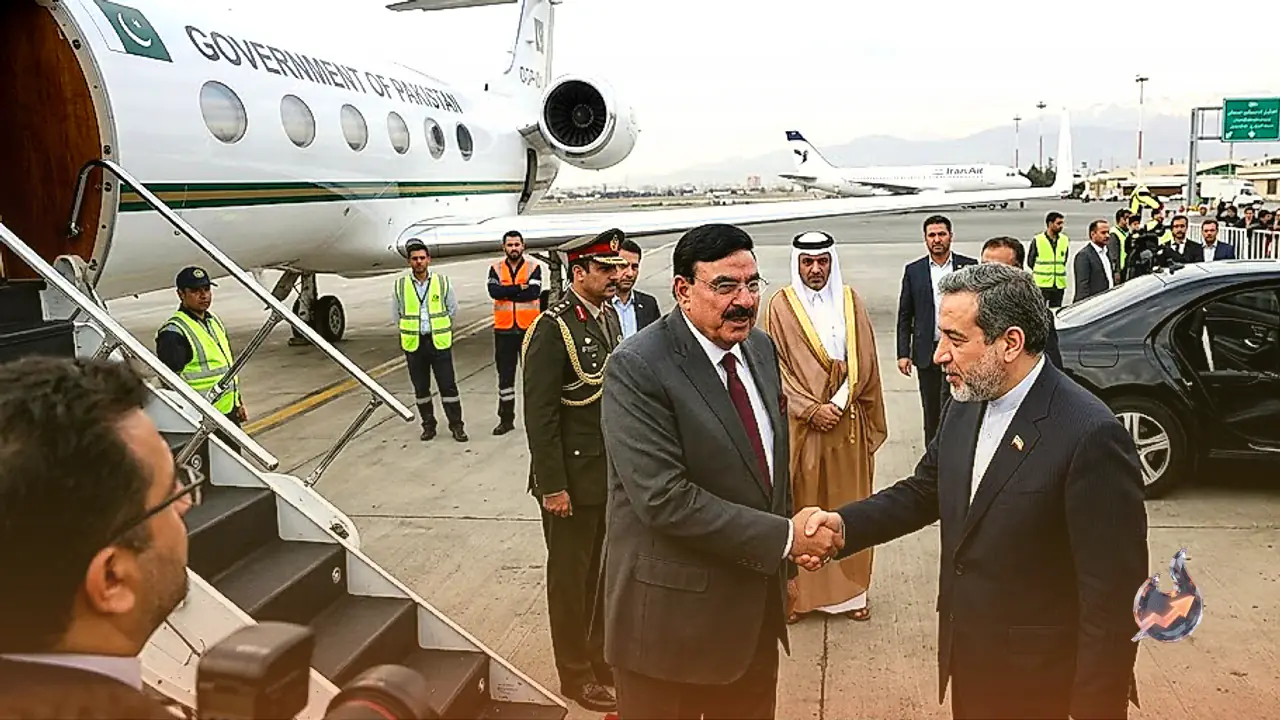
Against this tense backdrop, Pakistani Interior Minister Mohsin Naqvi is traveling to Tehran on Sunday, September 20, 2026. Iranian Foreign Ministry spokesperson Esmaeil Baghaei addressed the visit, stating that consultations would center on bilateral relations, shared cultural ties, and existing understandings between both administrations. Although Tehran dismissed suggestions that Naqvi is serving as an official messenger for American proposals, regional observers view the urgent journey as Islamabad's effort to navigate conflicting security commitments and preserve neutrality.
Heightened Travel Warnings for American Nationals
Reacting to the deteriorating security matrix across Western Asia, the US Department of State Consular Affairs division published a region-wide advisory. The alert urges citizens currently located across the Middle East to maintain maximum vigilance due to unpredictable escalations.
The advisory highlighted real operational hazards, including sudden airspace closures, cancelled commercial flights, and threats aimed near transportation hubs. Washington strongly urged individuals outside the region to defer travel to or through the Middle East, while instructing travelers within affected borders to monitor flight schedules closely as security environments rapidly evolve.