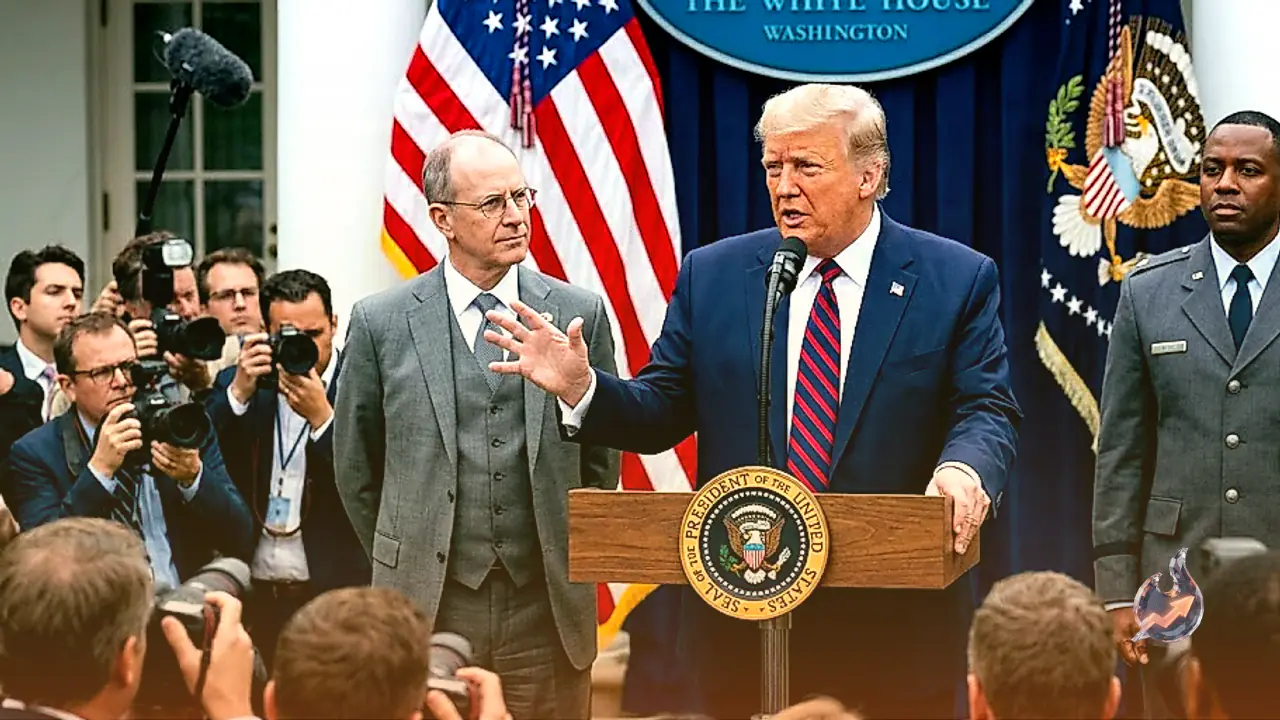























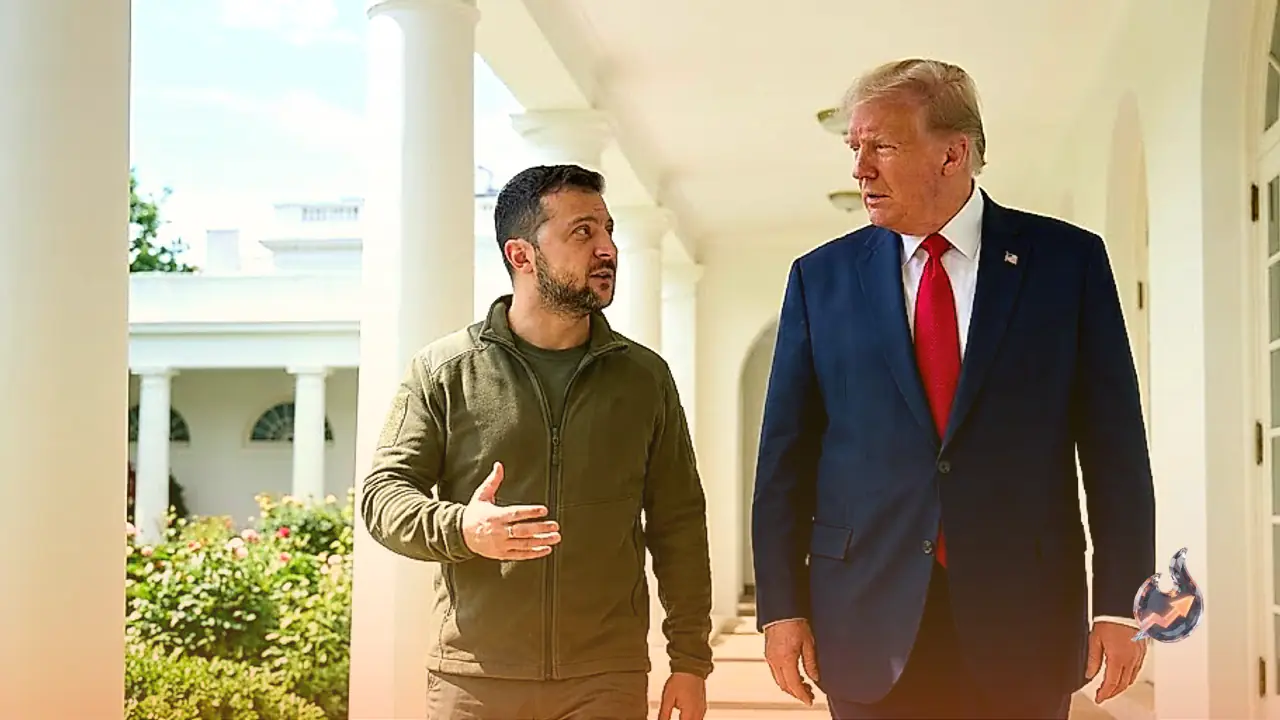

US President Donald Trump hosted high stakes diplomatic engagements at the White House on Tuesday, conducting back to back discussions with Ukrainian President Volodymyr Zelenskyy and Israeli Prime Minister Benjamin Netanyahu. According to White House Press Secretary Karoline Leavitt, President Trump first conferred with Zelenskyy before holding a separate bilateral session with Netanyahu. The US administration confirmed that both meetings concluded successfully and described the atmosphere of the discussions as positive. However, because both sessions were held behind closed doors away from media presence, official details regarding the specific agreements reached during the talks remain undisclosed.
High-Level Delegations and Strategic Agenda in Washington
The significance of the meeting with Israeli Prime Minister Benjamin Netanyahu was underscored by photographs released on social media by Netanyahu's office as well as statements from US administration officials. The American delegation accompanying Trump featured key figures including Vice President JD Vance, Secretary of State Marco Rubio, and Defense Secretary Pete Hegseth, alongside other senior advisers. The proceedings were completely closed to the press, preventing immediate coverage of the transcript or granular outcomes.
While an official breakdown was not released, the discussions are understood to have centered on critical regional security crises. The primary agenda likely encompassed the ongoing conflict involving the United States, Israel, and Iran, alongside Israel's military operations across Lebanon and the Gaza Strip.
Zelenskyy Seeks Patriot Missile Manufacturing License
Prior to Trump's dialogue with Netanyahu, Ukrainian President Volodymyr Zelenskyy met with the US President at the White House to address defense requirements. Zelenskyy disclosed that his conversation with Trump focused heavily on securing licensing rights that would allow Ukraine to locally produce Patriot interceptor missiles. By manufacturing these advanced interceptors domestically, Kyiv aims to bolster its air defense grid against ongoing aerial threats.
Although Zelenskyy confirmed extensive deliberations regarding Patriot missile production, he did not clarify whether a formal agreement was finalized during the encounter. The request comes at a time when US defense stockpiles have seen significant utilization in the Middle East. During military actions against Iran, American forces deployed advanced and costly weaponry, specifically Patriot interceptor missiles, to neutralize Tehran's incoming ballistic missiles, cruise missiles, and suicide drones.
Iran Issues Severe Warnings Over the Strait of Hormuz
Simultaneously, geopolitical friction flared in the Persian Gulf as Iran issued aggressive warnings concerning maritime access. Kazem Gharibabadi, Iran's Deputy Foreign Minister for Legal and International Affairs, cautioned that Tehran is prepared to contemplate any course of action, including the resumption of full scale military hostilities, to preserve its dominance over the strategic Strait of Hormuz.
According to statements reported by the Fars News Agency, Gharibabadi emphasized that if Iran were to permit the opening of a southern maritime corridor near the coast of Oman where it previously engaged target vessels, it would fail to exercise its national sovereignty effectively. The Iranian official escalated the warning by declaring that any European vessel entering the vicinity of the Strait of Hormuz would be treated as a legitimate target by Iranian forces.