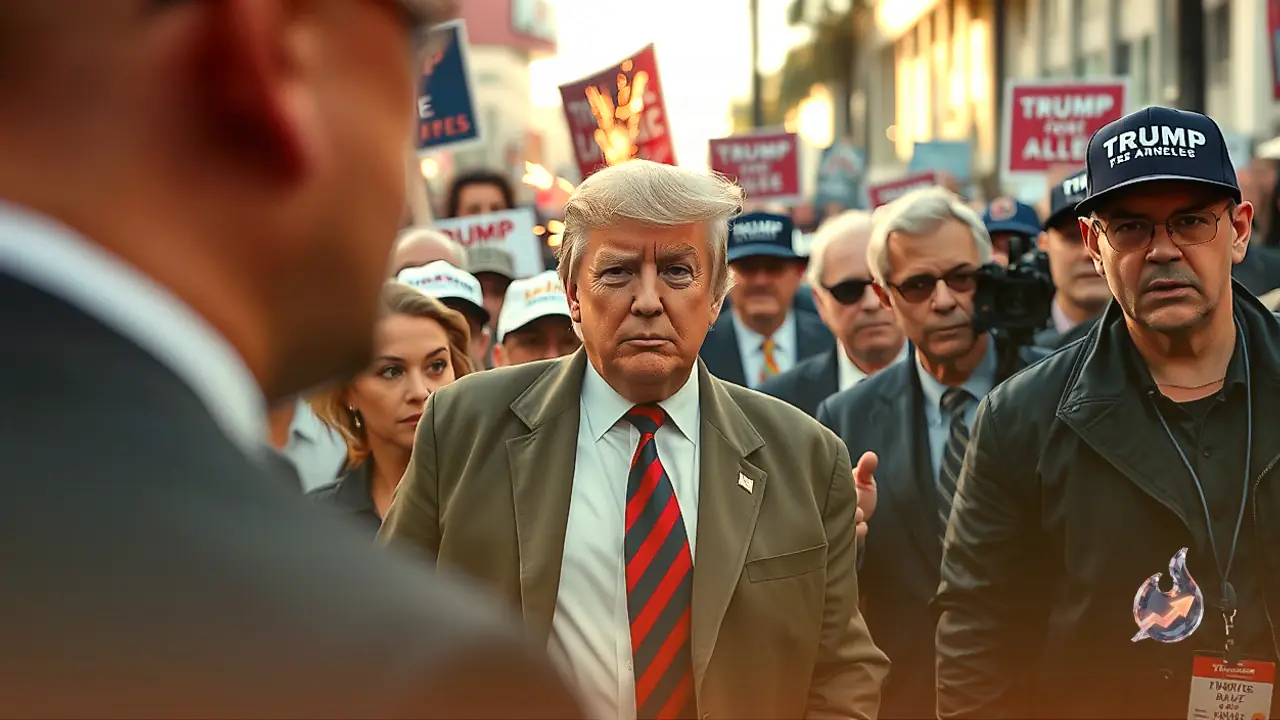




















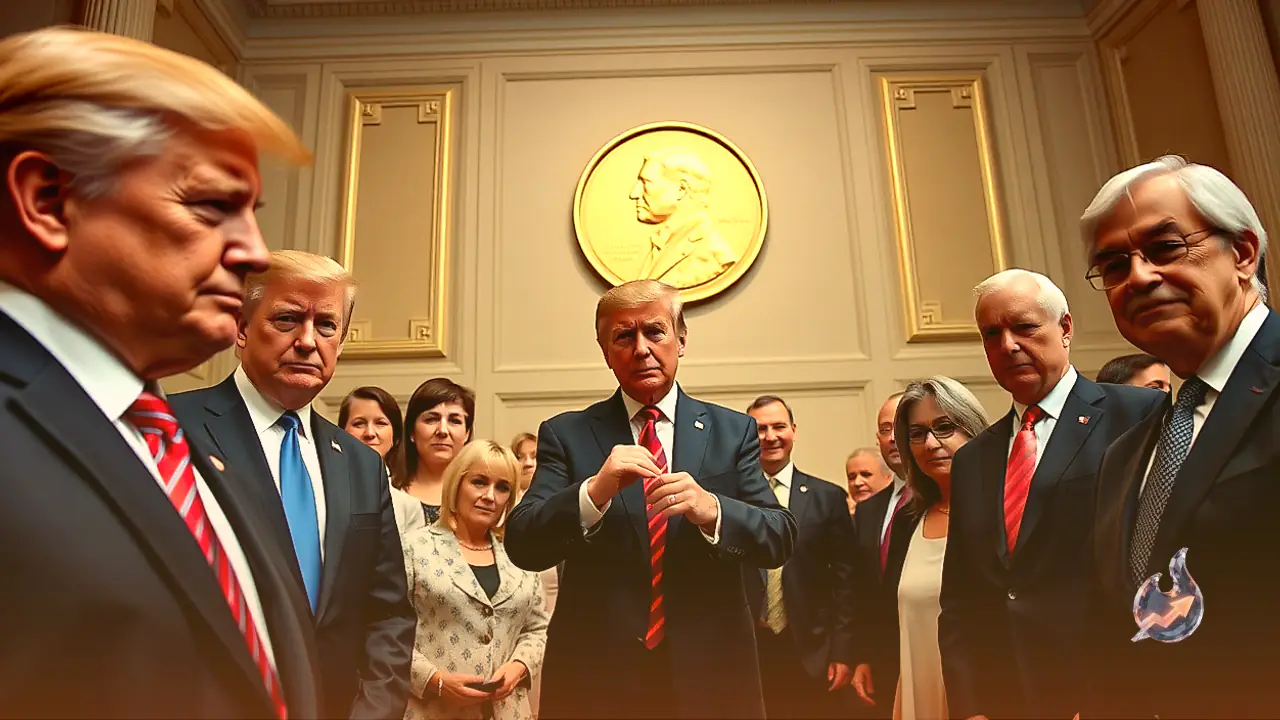

United States President Donald Trump has once again put forward an unambiguous case for why he should receive the Nobel Peace Prize, declaring to reporters in the Oval Office that the appropriate moment for such recognition has finally arrived. Yet even while pressing his merits for the prestigious global accolade, Trump openly expressed deep skepticism regarding the intentions and inclinations of the Norwegian Nobel Committee. When questioned directly on Wednesday night about whether he anticipates taking home the honors this year, he conceded that predicting the committee's ultimate verdict remains impossible.
Skepticism Toward the Committee and Claims of Quelling Conflicts
Weighing in on the mindset of the Norwegian selectors, Trump suggested that the institution carries an entrenched bias that often precludes leaders with his profile from being rewarded. This candid remark highlighted a striking contrast: on one hand, the American leader unabashedly proclaimed his entitlement to the honour, while on the other, he preemptively questioned whether the panel possessed the willingness to endorse his record. Ever since assuming the presidency in January of last year, Trump has consistently maintained that his diplomatic interventions averted disaster across numerous theaters of tension. By his own reckoning, he played a central role in halting eight distinct conflicts around the world.
The Venezuelan Medal Gesture and Three Formal Nominations
During the Oval Office exchange, Trump also referenced Venezuelan opposition leader Maria Corina Machado to bolster his credibility. In January 2026, Machado handed over her own 2025 Nobel Peace Prize medal to Trump as a demonstration of gratitude for American backing in Venezuela. Trump recounted that receiving this symbolic gesture second-hand from the preceding laureate brought him immense honour. According to Trump, Machado asserted during that exchange that no individual across contemporary history deserved the distinction more than him.
For the 2026 honors, Trump does not rely solely on personal rhetoric; his candidacy has received formal diplomatic backing from three separate governments. Cambodia, Israel, and Pakistan have each submitted nominations recommending him for the award. Nevertheless, his assertions have faced substantial scrutiny from international observers. Several stakeholders and parties involved in the very hostilities Trump claims to have resolved have cast serious doubt on the effectiveness and legitimacy of his diplomatic breakthroughs.
Ongoing Regional Unrest and the Contradiction of Military Strikes
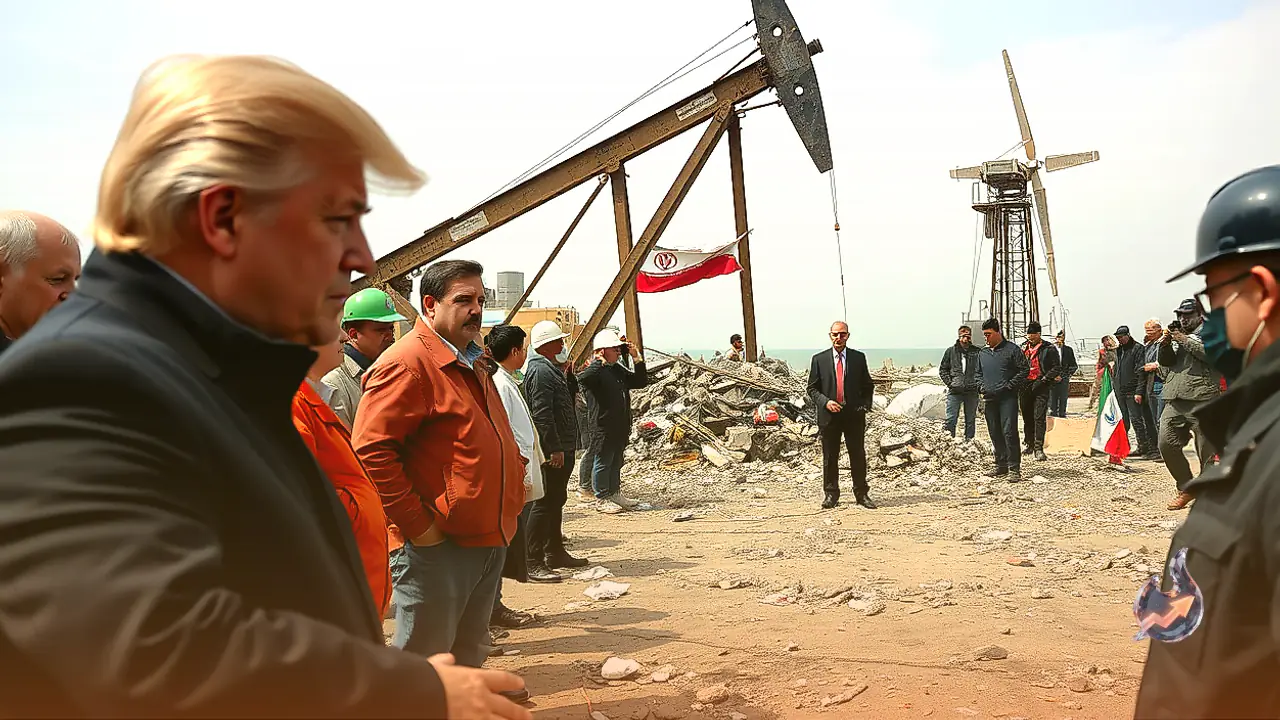
The ground realities in multiple contested regions continue to undercut the narrative of resolved disputes. Fragile environments such as the Democratic Republic of the Congo remain engulfed in strife, while tensions along the border between Cambodia and Thailand have shown persistent volatility. Moreover, the starkest contradiction between Trump's peacemaking persona and his executive actions materialized earlier this year. Despite presenting himself as an arbiter of global calm throughout the preceding months, he ordered the commencement of military action against Iran in February.
Compounding these geopolitical hurdles is the ongoing war between Russia and Ukraine, which stands as arguably the most formidable diplomatic test facing his current administration. Trump famously pledged to bring that conflict to an immediate close on the inaugural day of his second term, yet durable resolution has remained elusive. Furthermore, joint military strikes carried out by the United States and Israel against Iranian targets have inflamed security anxieties across the Middle East, triggering noticeable fallout across global energy markets and vital supply routes.
Friday Announcement and the Array of Contenders
The decisive moment arrives on Friday when the Norwegian Nobel Committee officially unveils the recipient of the 2026 Nobel Peace Prize. Trump faces intense competition from an assortment of prominent humanitarian figures and institutional nominees. Prominently mentioned contenders include Pope Leo, the International Criminal Court, and the Special Rapporteur for the Palestinian territories. With Friday fast approaching, global observers wait to discover whether the committee will grant legitimacy to Trump's diplomatic balance sheet or leave his long-nurtured aspiration unfulfilled once more.