




















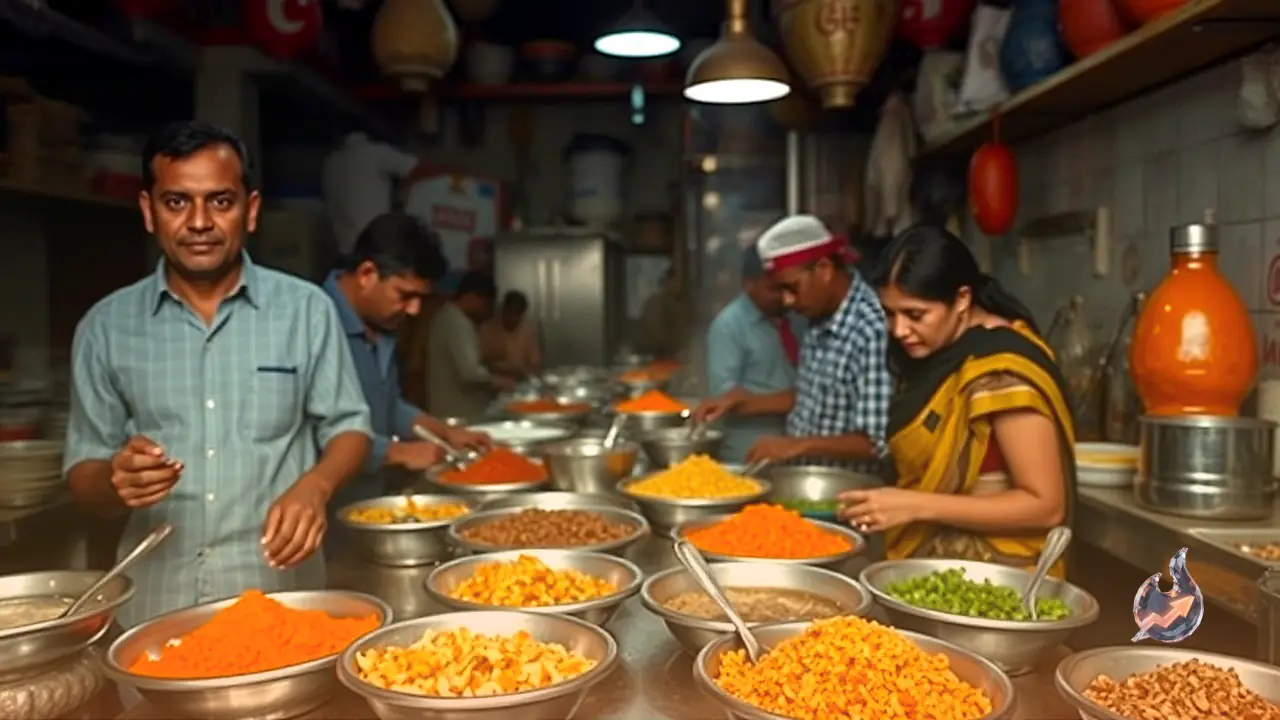

The aromatic footprint of traditional Indian spices has expanded far beyond subcontinent kitchens, embedding itself into everyday American culinary habits and lifestyle choices. Everyday staples like turmeric, cumin, black pepper, and chili are increasingly finding dedicated shelf space in homes and eateries across the United States. Highlighting this shift, India's Ambassador to the United States, Vinay Mohan Kwatra, pointed out that this transition is not just about culinary taste; it represents a meaningful transfer of Indian cultural heritage into American domestic life. He shared these observations during a dedicated gathering hosted at India House to celebrate the legacy of Indian spices.
A Cultural Bridge Beyond Commercial Commodities
Addressing the broader significance of spice exports, Vinay Mohan Kwatra stressed that viewing these products purely through a transactional lens reduces their true cultural value. According to him, Indian spices serve as an authentic vehicle carrying thousands of years of civilizational heritage, indigenous wisdom, and culinary identity across international borders. Drawing on everyday realities, he observed that spice utilization within Indian households is inherently intergenerational. The spice blends and cooking practices embraced by a household today often directly replicate the exact traditions maintained by earlier generations. This deeply rooted generational continuity is now traversing borders, establishing a strong presence within American kitchens.
The Ascent of Turmeric and Modern Cafe Culture
Perhaps the most visible and dynamic manifestation of this cultural crossover is turmeric. Historically confined to traditional Indian kitchens and indigenous home remedies, turmeric has successfully crossed over into mainstream American wellness markets and modern beverage culture. The adaptation of traditional spiced turmeric milk, widely popularized as turmeric latte, has transformed into a staple beverage across urban American cafes.
Reflecting on his earlier diplomatic posting, Vinay Mohan Kwatra recalled that during his tenure in Washington between 2010 and 2013, turmeric lattes were virtually non-existent on American cafe menus. Over the past decade, however, the public dining landscape has evolved dramatically. He noted that turmeric has held an indispensable place within Indian daily routines and Ayurvedic traditions for centuries, an attribute that global consumers are now actively validating through modern wellness choices.
Wellness Trends and Expanding Market Opportunities
The surge in demand across the United States is underpinned by a growing consumer preference for health-focused, natural, and holistic dietary routines. Connecting the pattern to the broader organic food movement, Vinay Mohan Kwatra emphasized that what modern consumers now categorize as contemporary clean eating actually traces its lineage back to ancestral dietary habits. In many ways, the modern world is actively returning to time-tested traditional practices.
For Indian producers and exporters, this behavioral evolution signals significant commercial potential in Western markets. The key task moving forward is not merely retailing raw spices on store shelves, but integrating them seamlessly into the everyday cooking and wellness rituals of international consumers.