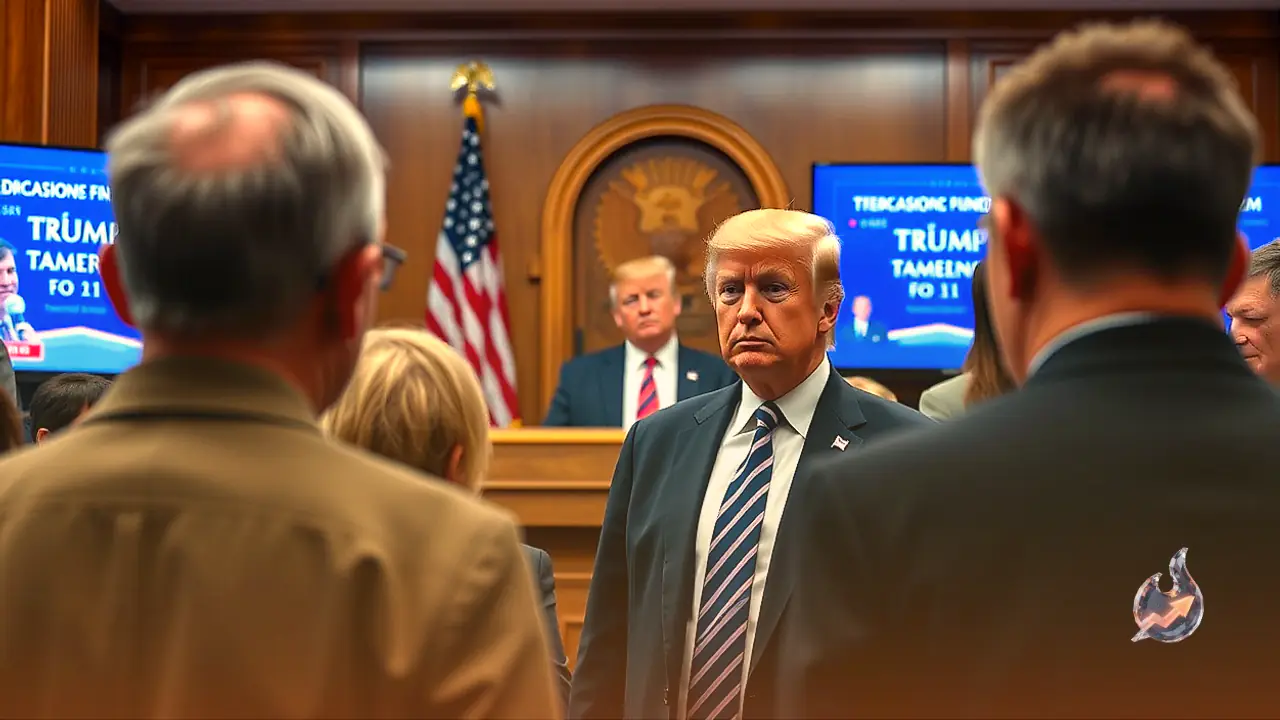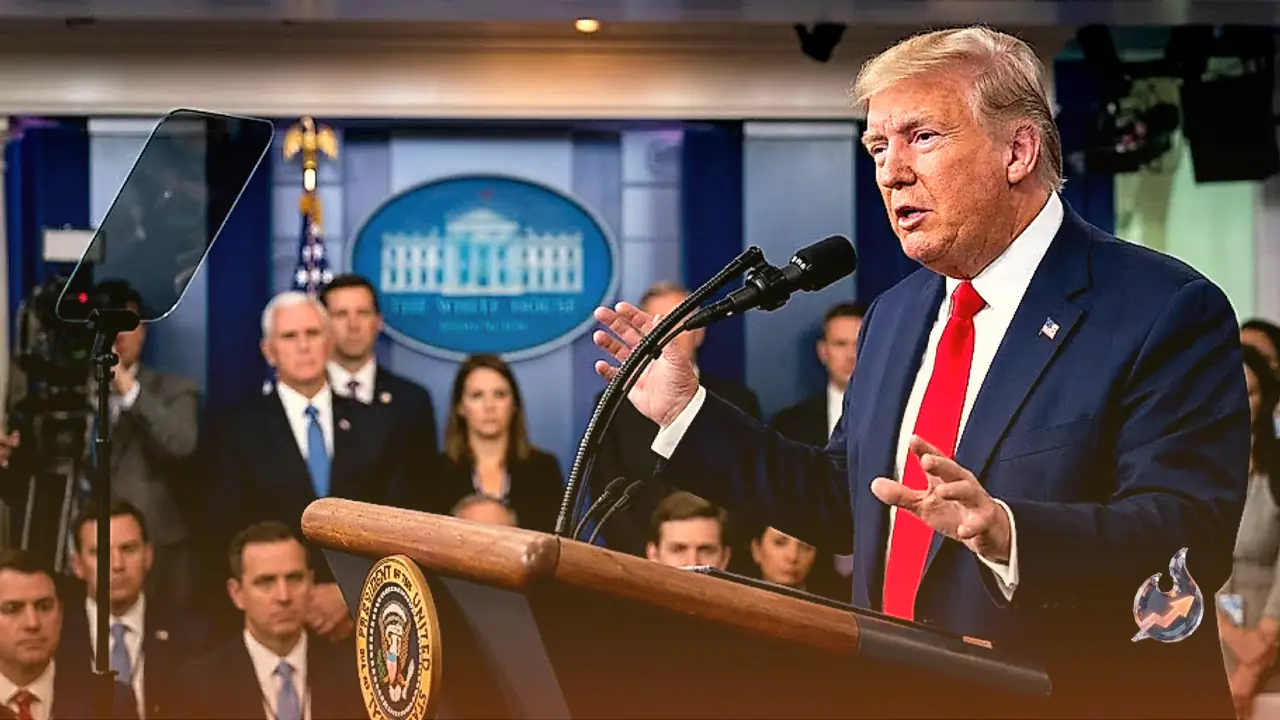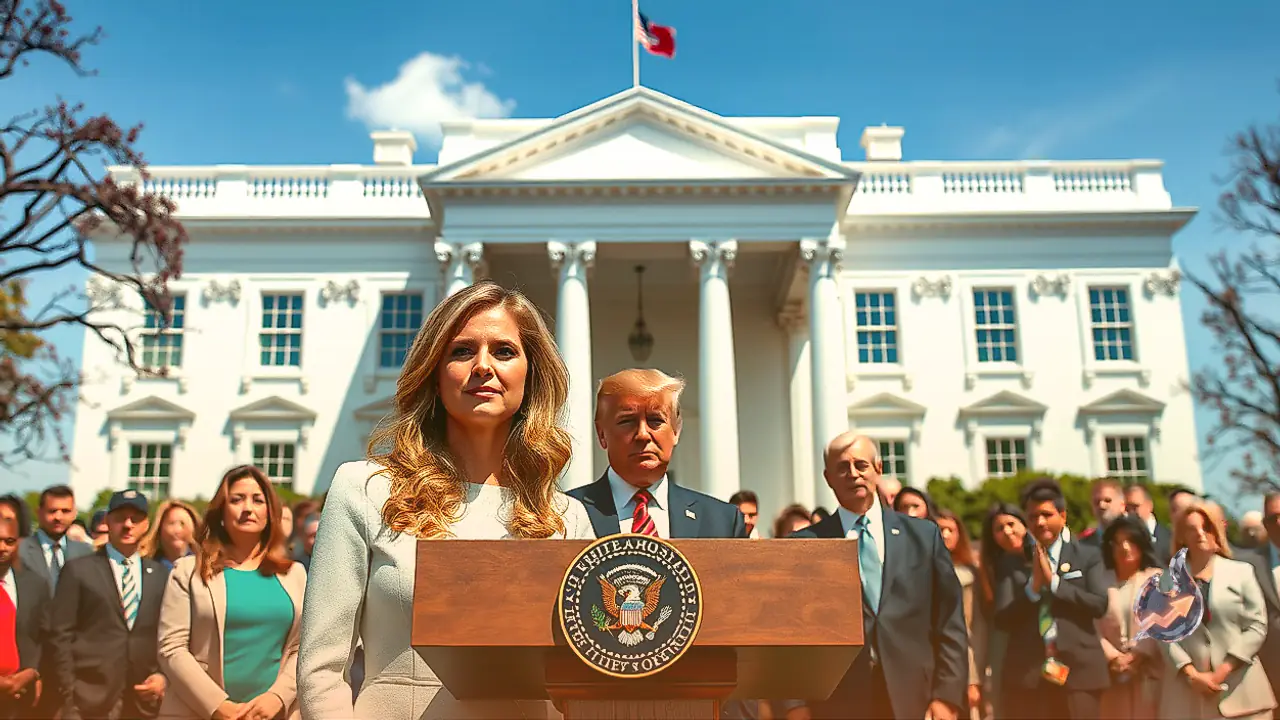



















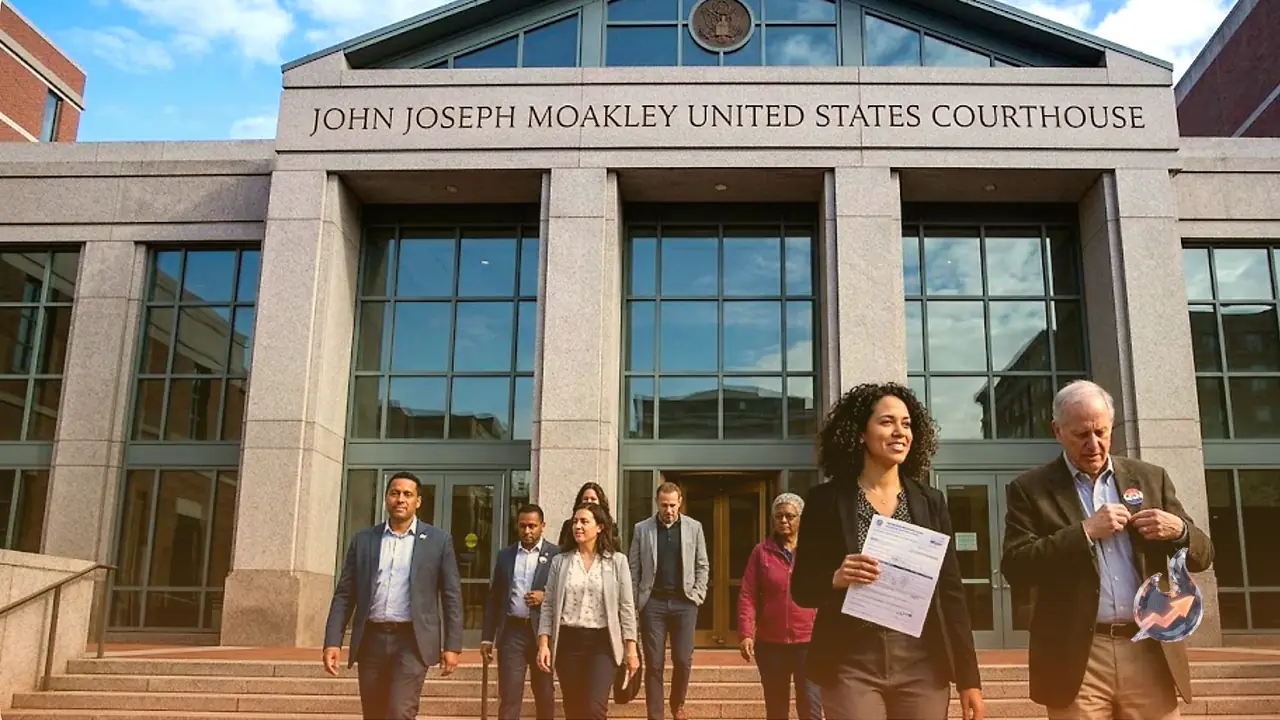

A federal court in Boston has permanently halted the bulk of Donald Trump's first executive order on elections, striking down a centrepiece demand that voters produce documents proving their citizenship before they could register. The ruling also wipes out several other voting changes the order tried to impose across the country.
US District Court Judge Denise Casper grounded her decision in a simple constitutional point: the power to run elections belongs to the states and to Congress, not to the White House. She found that the order crossed the line dividing those powers. "The Constitution does not grant the President any specific powers over elections," Casper wrote as she spelled out the limits of presidential authority.
From a temporary pause to a permanent block
The latest decision converts what had been a stopgap into a lasting prohibition. A year earlier, Casper had granted a preliminary injunction that froze large portions of the election overhaul while the case moved forward. Her new order makes that freeze permanent, meaning the administration cannot put most of the order's provisions into effect.
The Republican administration had tried to get the case thrown out as premature, arguing that the courts should wait because the contested rules had not yet taken effect. Casper was not persuaded. Given the constitutional questions at stake, she agreed that the Democratic state attorneys general were entitled to challenge the order right away.
What the order would have changed
Trump's order bundled together a series of new conditions for voting and for how ballots are counted. It would have required documentary proof of citizenship for anyone registering to vote. It also sought to bar the counting of mail ballots that arrive after Election Day, even in cases where those ballots were postmarked on or before Election Day.
The order carried a threat as well. States that refused to fall in line risked losing access to certain federal funds, a penalty written into the plan to force compliance. The challenge to all of this was filed by Democratic state attorneys general, with California serving as the lead plaintiff.
Officials react
New York Attorney General Letitia James welcomed the outcome. She said she was grateful the court had blocked Trump's unconstitutional attempt to seize control of elections, and pledged that the state would keep defending voting rights, including through this year's midterm elections.
James tied the case to a longer struggle. "Generations of Americans fought tirelessly for the right to vote, and we honour their legacy by protecting that right against anyone who tries to undermine it," she said.
California Attorney General Rob Bonta said the decision reaffirmed the constitutional rule that election authority sits with the states and Congress. He cautioned that the legal battles were far from over. "While we are proud of this result, we are clear-eyed that President Trump's attacks on voting rights and our elections show no signs of slowing down," Bonta said, adding, "So let me be clear: we will keep fighting back every step of the way."
With the ruling in place, the earlier block stands and most of the executive order remains unenforceable, reinforcing the court's conclusion that control over elections lies beyond the reach of the presidency.