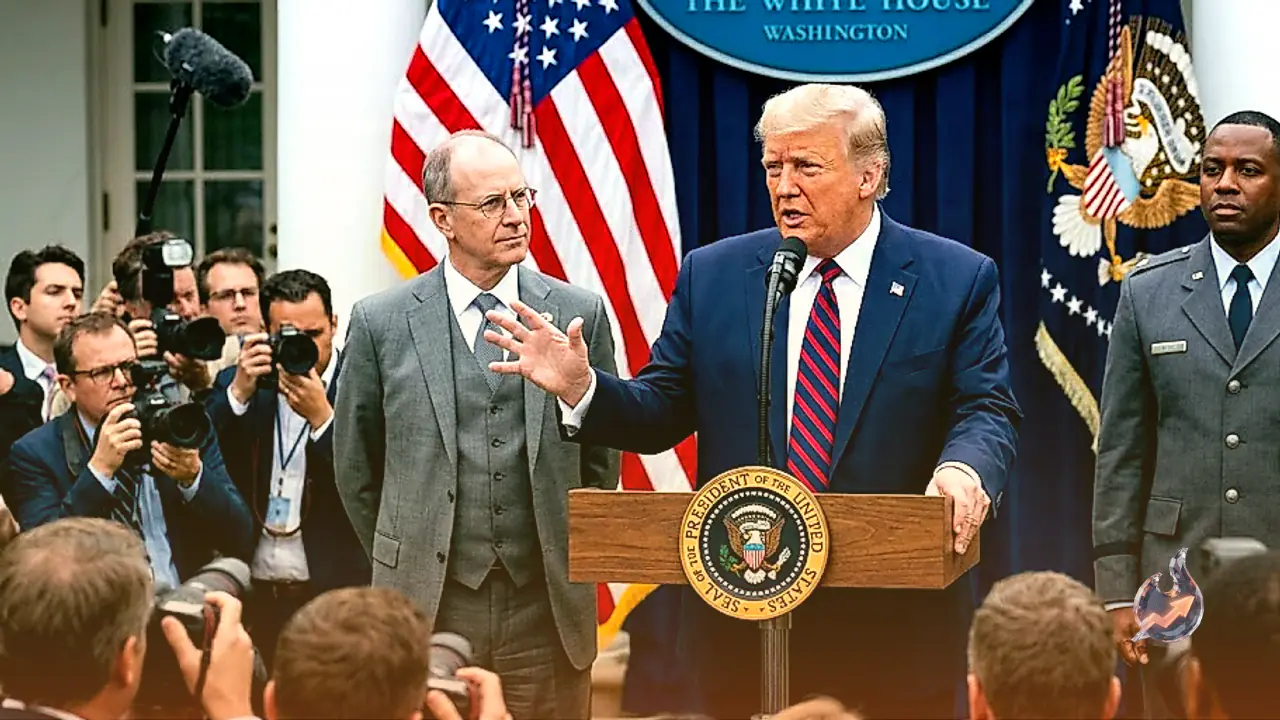























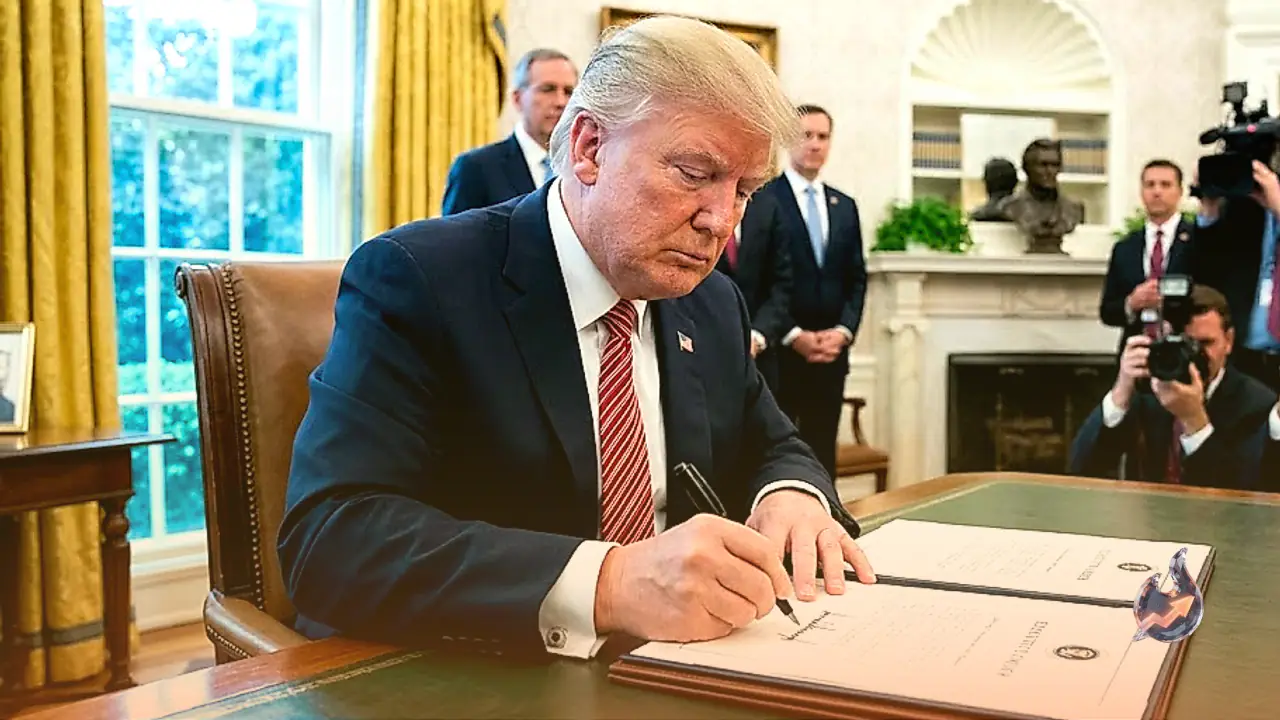

A fresh political and constitutional dispute has erupted in the United States over birthright citizenship. Despite facing a recent legal setback from the Supreme Court in June, President Donald Trump remains steadfast in his push to restrict the longstanding policy. Announcing the move from the Oval Office on Thursday, President Trump signed two new executive orders aimed at curbing automatic citizenship through alternative regulatory measures, stating that the action was long overdue.
Key Regulations Under the Two Executive Orders
The first executive order tightens definitions surrounding non-citizens whose children will no longer qualify for automatic citizenship upon being born on U.S. soil. Under these revised rules, automatic citizenship will be denied in cases where either parent is affiliated with a foreign government, holds ties to terrorist organizations, or has engaged in fraudulent attempts to obtain citizenship status.
The second executive order directly targets the practice known as 'birth tourism', where pregnant foreign nationals travel to the United States on temporary visas primarily to deliver children who automatically secure American citizenship. Senior White House official Stephen Miller articulated the administration's stance, noting that many individuals enter as tourists with the underlying motive of giving birth to ensure their children obtain U.S. citizenship. According to the administration, children born under these circumstances subsequently gain access to a wide array of constitutional rights, benefits, and public services, which officials argue constitutes an exploitation of the system.
Statistical Evidence vs. Executive Claims
In defending the policy shift, President Donald Trump claimed that 'hundreds of thousands' of children have been born through such arrangements. However, independent empirical data presents a significantly different picture. Findings from the Migration Policy Institute, an independent research organization, indicate that the annual number of such births typically ranges between 22,000 and 26,000.
Furthermore, official data from 2024 recorded only 9,600 births where the mother's primary residence was listed outside the United States. Legal experts and researchers emphasize that these figures represent a minuscule fraction of total annual births in the nation. Commenting on the scale of the phenomenon, Professor Gabriel Chin of the University of California characterized the number of birth tourism cases as merely 'a drop in the bucket' compared to overall birth rates.
150-Year Constitutional Legacy and Pending Legal Battle
Birthright citizenship has been guaranteed in the United States under the 14th Amendment for nearly 150 years. Under this constitutional mandate, any child born within the geographic territory and jurisdiction of the United States automatically receives full U.S. citizenship. President Trump's effort to curtail this fundamental right has re-ignited a major constitutional debate across the legal landscape.
Legal scholars point out that while the executive branch possesses certain authority to regulate entry into the country, stripping citizenship from a child once born on U.S. soil faces immense constitutional hurdles. Legal challenges against both new executive orders are considered virtually certain, ensuring that the controversial policy dispute will return to federal courtrooms for adjudication.