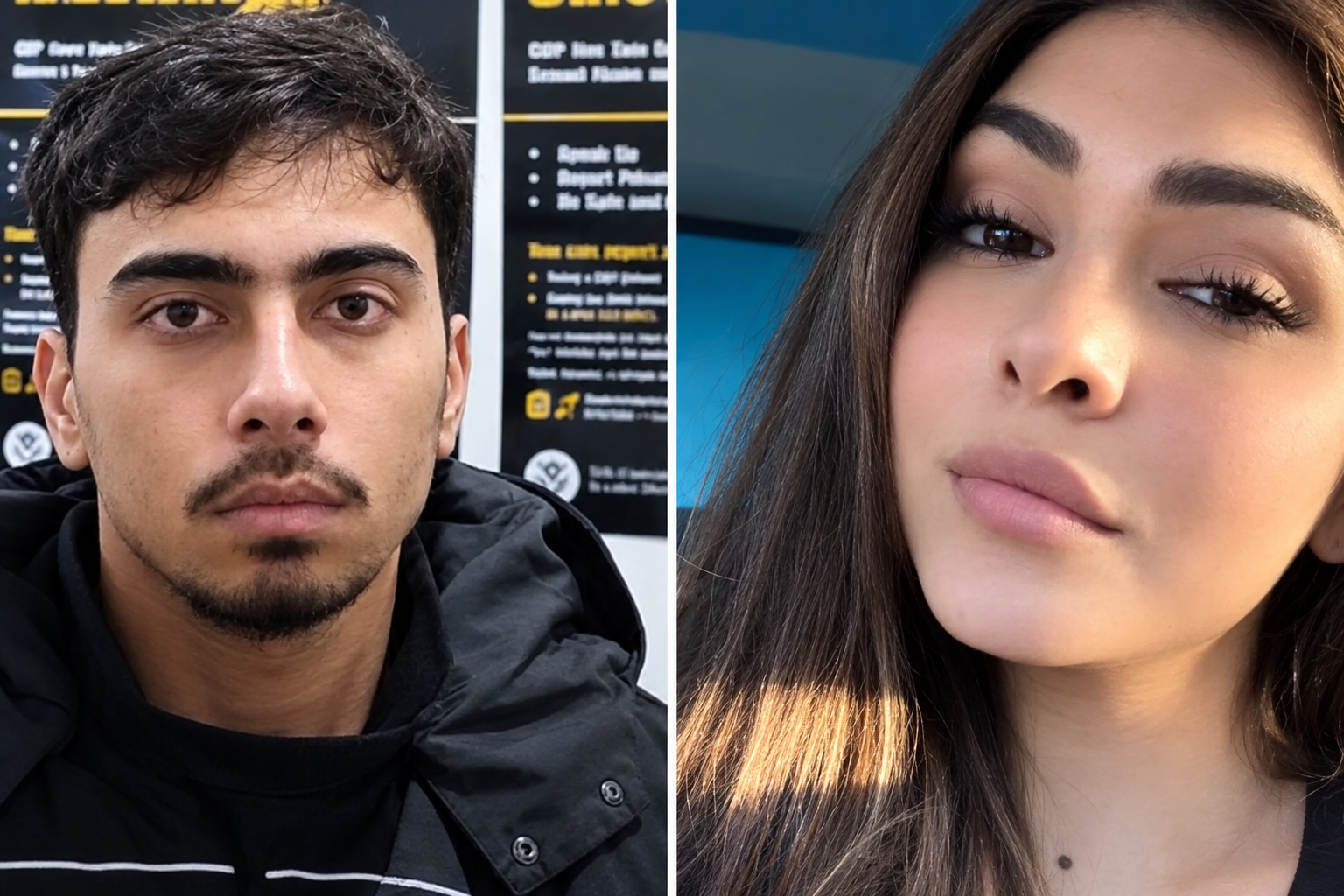





















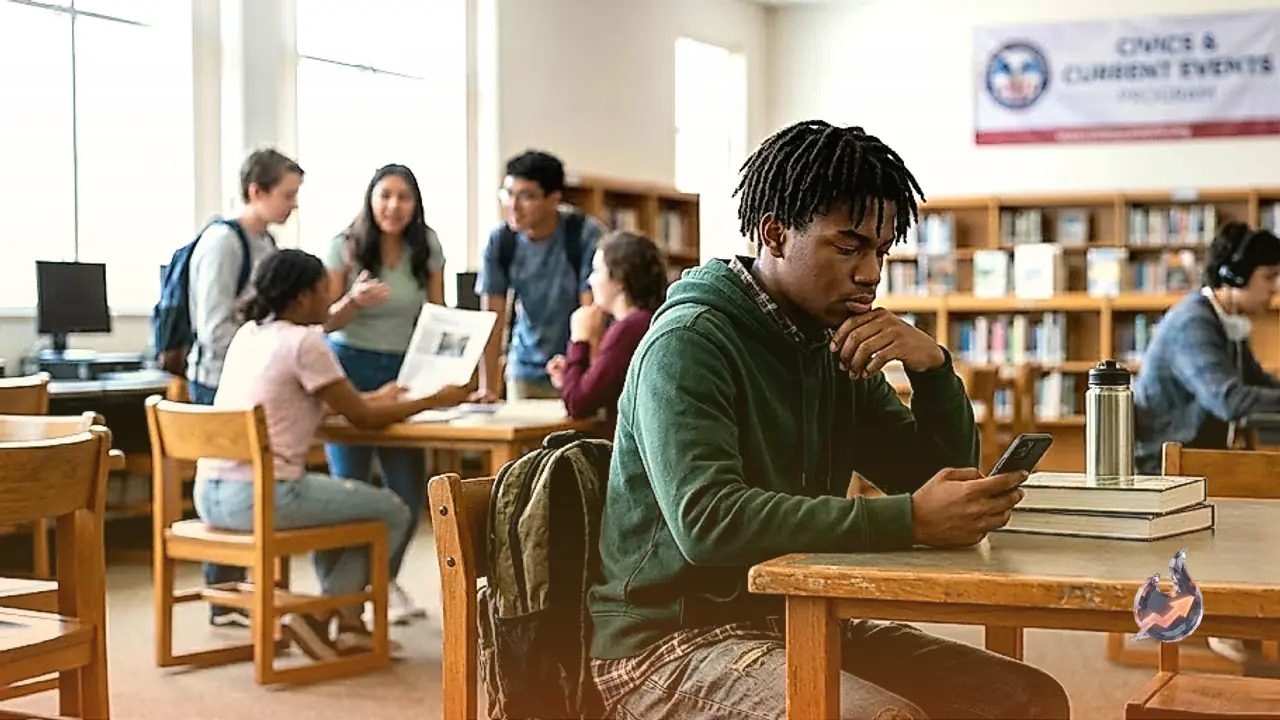

When asked to reflect on the societal impact of Donald Trump taking office as president, a 16-year-old Black high school student expressed deep anxiety, remarking that while the United States is traditionally described as the land of the free, it has increasingly felt like the land of racism. In sharp contrast, a 16-year-old white student offered a vastly different perspective, noting that she felt fine personally and believed she would be alright because of her racial background, even while expressing sympathy for minority groups. These contrasting viewpoints highlight a growing divide among American youth. A comprehensive five-year study following 1,400 ninth through 12th-grade students reveals that political shifts and presidential leadership exert long-lasting influences on the social consciousness of adolescents.
Historical social research demonstrates that major historical inflection points, such as the Great Depression of the 1930s, the Civil Rights Movement, the September 11 terrorist attacks, and shifting presidential administrations, leave enduring marks on young generations. In a similar manner, the political environment surrounding Donald Trump's presidency has catalyzed a distinct divergence in worldviews among high schoolers, mirroring the political polarization observed among adults during the 2016 election cycle.
Diverging Worldviews Among High School Students
Demographic data from the adolescent tracking study revealed clear structural divisions. High school students who supported Donald Trump were predominantly white, male, raised by politically conservative parents, and less likely to come from immigrant families. Conversely, students who disapproved of Trump were more frequently female, identified as Black, Latino, or Asian, had politically liberal parents, and often had parents or grandparents who were immigrants. Beyond demographic differences, these two groups experienced a widening gap in their perceptions of racial equity and societal inequality over time.
During the initial year of Trump's first administration, adolescent Trump supporters demonstrated a measurable decrease in race consciousness. Their endorsement of statements promoting equal rights across racial and ethnic lines, as well as their expressed concern over racial discrimination, steadily declined. Furthermore, these students became less aware of structural inequalities, becoming increasingly skeptical of the idea that systemic barriers hinder certain groups from getting ahead in the United States.
In contrast, adolescents critical of Trump showed an increase in race consciousness and heightened sensitivity toward systemic barriers. Qualitative research involving youth of color during the same period confirmed that teenagers opposed to Trump developed stronger analytical capacities to recognize and evaluate societal inequities in direct response to federal policy shifts.
Impact on Voting Intentions and Electoral Demographics
The divergence in racial attitudes also correlated with distinct behavioral trends, particularly regarding civic participation. The long-term study noted that only adolescent Trump supporters exhibited an increased likelihood to vote following the 2016 presidential election. This early surge in voting interest aligned closely with voter turnout patterns observed in the 2024 presidential election.
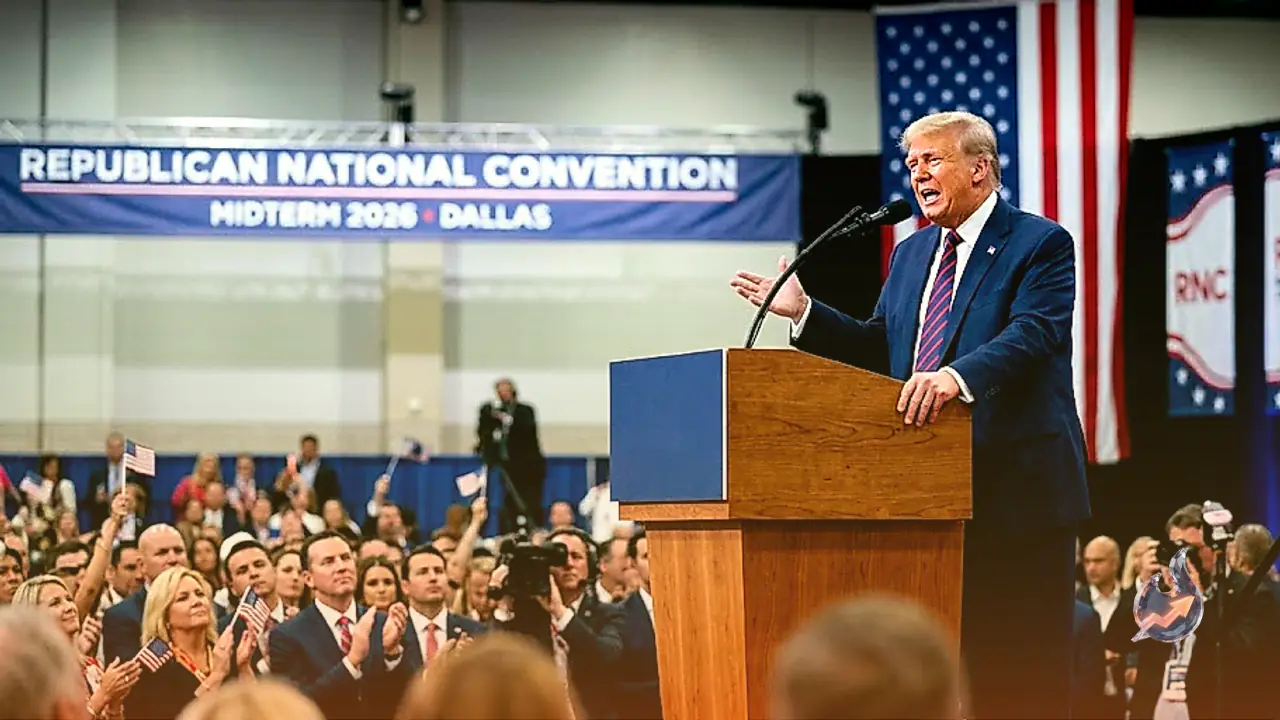
While voters aged 18 to 29 supported candidate Kamala Harris overall, subgroup data revealed that 54% of white youth and 56% of young men voted for Donald Trump. The high school cohorts surveyed in 2016 and 2017 matured into key voting blocs by 2024, demonstrating how early adolescent political socializations manifest in national electoral outcomes.
Escalating School Discrimination and Mental Health Effects
The polarized political climate also influenced school environments across the nation. Survey data indicated that 28% of K-12 educators reported observing an increase in derogatory comments directed at underrepresented student populations following Trump's first election victory, particularly in predominantly white school districts. Reports highlighted increases in anti-Black racism, anti-transgender discrimination, and biased statements targeting Muslim and immigrant students.
Research focusing on Latino adolescents documented heightened rates of experienced discrimination and elevated anxiety tied to aggressive immigration rhetoric and enforcement policies. A systematic review conducted by four child psychologists concluded that the policy climate during the first Trump term negatively impacted the mental health of Latino youth. While individual incidents were not directly linked to specific student groups, broader adult surveys indicated that adult Trump supporters held elevated anti-immigrant views and higher tolerance for political violence, creating an environment that reinforced social divisions among youth.
2025 Executive Orders and Future Projections
The policy directives implemented in 2025 have intensified ongoing debates around equity and education. Recent executive actions have expanded immigrant detention and deportation enforcement, mandated that gender be recognized strictly as binary, and declared diversity, equity, and inclusion (DEI) programs unlawful across federal jurisdictions.
The immediate repercussions of these policies were reflected in crisis metrics. Following the 2024 election, crisis contact volume from LGBTQ+ youth operated by national support organizations jumped by 200%, while targeted harassing text messages directed at Black, Latino, and LGBTQ+ teens were reported across 20 states. Additionally, executive measures aimed at eliminating racial and gender equity curricula in K-12 education threaten to limit classroom discussions regarding systemic discrimination. Developmental researchers warn that these policy directions are likely to deepen ideological divisions and racial attitudes among American teenagers during Trump's second presidential term.