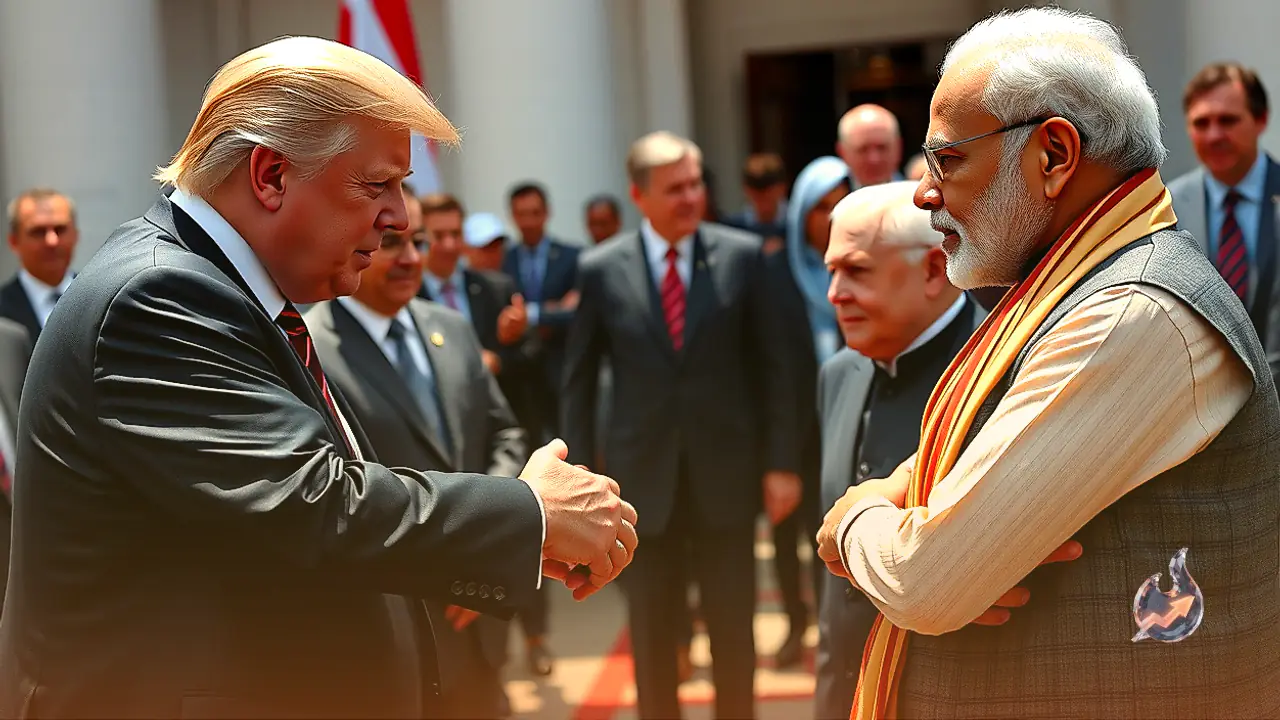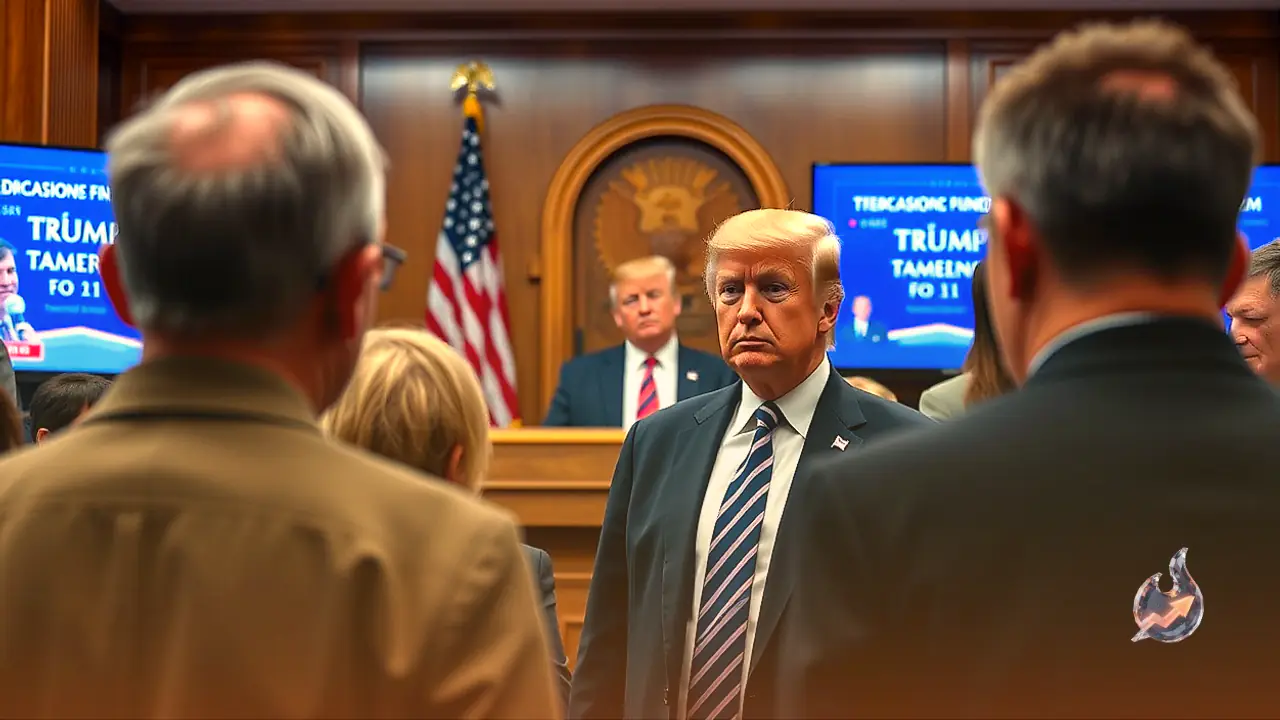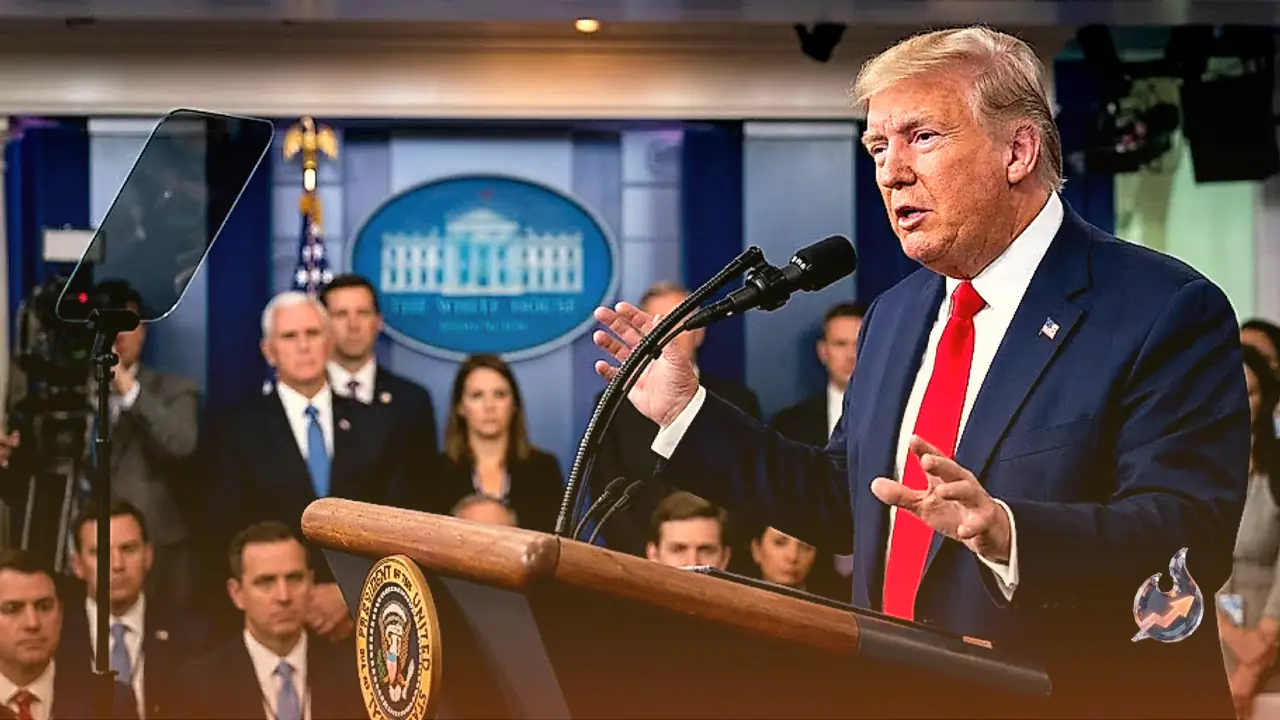



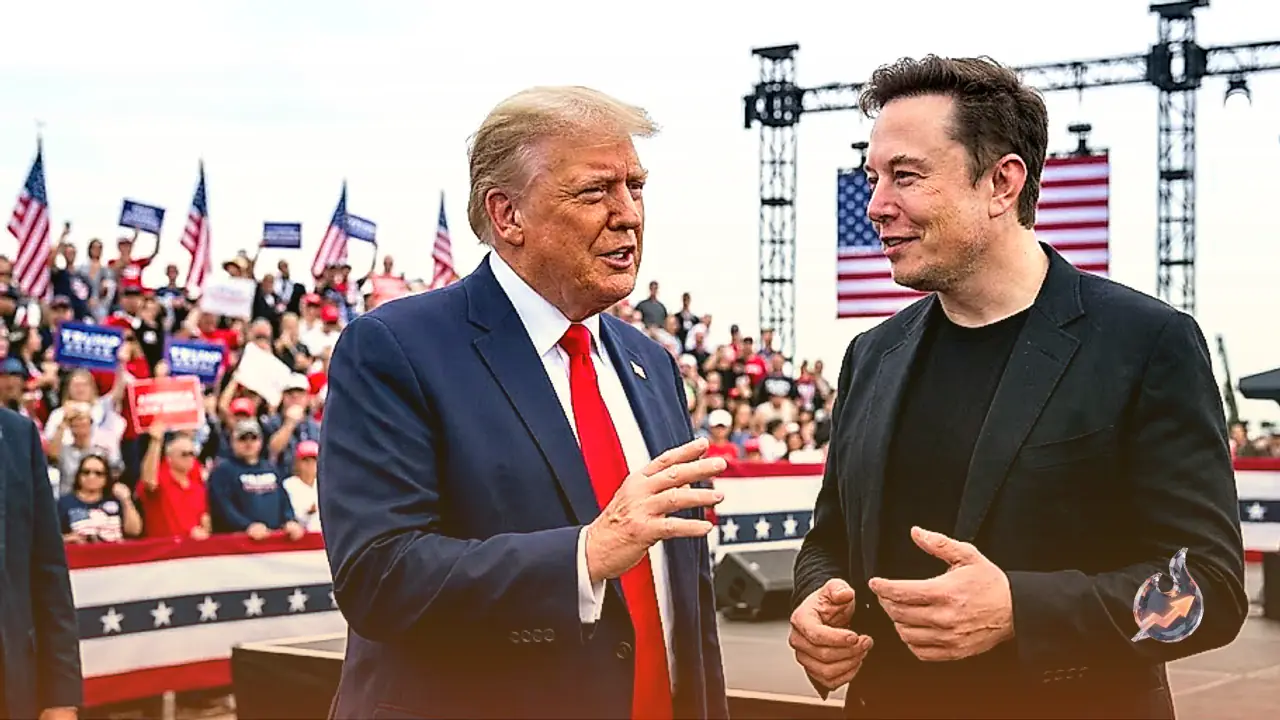















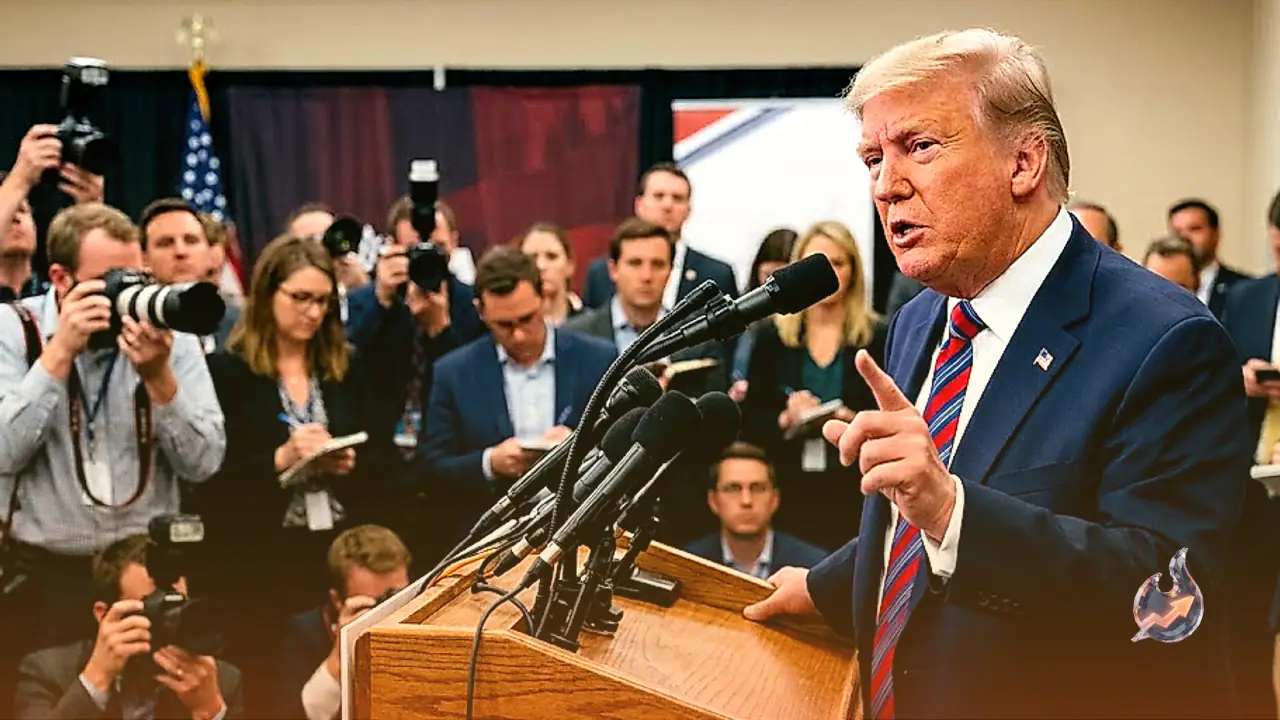

Discussions regarding the 2028 US presidential election have intensified following recent statements by President Donald Trump concerning his political future. Addressing questions from reporters amidst growing calls from his supporters, Donald Trump acknowledged that existing constitutional mandates make another bid for the presidency exceptionally difficult. He noted that while he is frequently questioned about running again in 2028, strict legal boundaries dictate the limits of presidential tenure.
Constitutional Constraints Under the 22nd Amendment
Donald Trump has referenced the year 2028 on multiple occasions in recent weeks. During a recent dinner event, supporters displayed "Trump 2028" advertisements and chanted slogans encouraging another presidential run. When asked by journalists about the atmosphere at the event, Donald Trump acknowledged the enthusiasm of his supporters and confirmed that the topic continues to be raised repeatedly. However, he stopped short of explaining whether he would seek to legally challenge the constitutional restriction or outlining how any potential campaign strategy might be structured.
The legal framework governing executive power in the United States is anchored in the 22nd Amendment of the US Constitution, which explicitly prohibits any individual from being elected to the presidency more than twice. Enacted in 1951, this amendment was established primarily in response to the presidency of Franklin D. Roosevelt, who was elected to four terms in office. Having secured presidential election victories in both 2016 and 2024, Donald Trump has reached the maximum two-term limit prescribed by federal law.
Security Protocols in Turkey and Rising Threat Environment
Turning to foreign travel and executive security, President Donald Trump addressed the elaborate protective measures implemented during his recent visit to Turkey. He clarified that all security logistics are determined directly by the Secret Service and military leadership. He emphasized, "It depends entirely on the Secret Service." Donald Trump reiterated that he strictly adheres to the guidance and security directives provided by defense and intelligence officials.
When queried about the necessity of such extensive security procedures abroad, Donald Trump revealed that he receives numerous threats, many of which remain undisclosed to the public. He asserted that highly influential world leaders naturally attract greater security risks, contrasting his situation with less prominent figures who typically face far fewer threat advisories.
Strait of Hormuz, Relations with Iran, and Economic Outlook
On broader international security matters, Donald Trump discussed geopolitical tensions surrounding the Strait of Hormuz and relations with Iran. He stated that the United States maintains complete control over the vital maritime transit corridor, attributing this dominance to the operational capability of the US Navy. When asked directly whether he trusts Iran, Donald Trump gave an unambiguous response: "I don't trust Iran."
In addition to foreign affairs, Donald Trump opened his remarks by praising domestic economic conditions. He highlighted positive employment metrics and strong financial market performance, stating, "The country is doing well, and the stock market is performing remarkably." He noted that robust market returns and stable labor indicators reflect the underlying strength of the national economy.