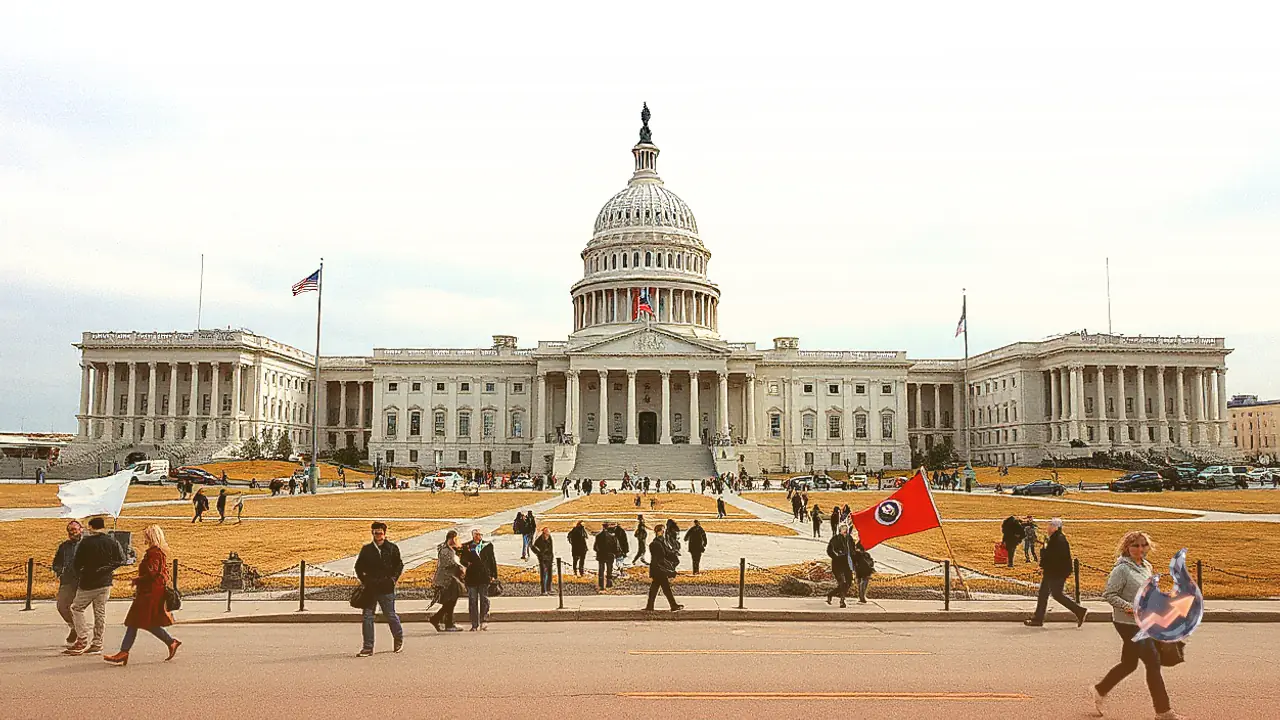




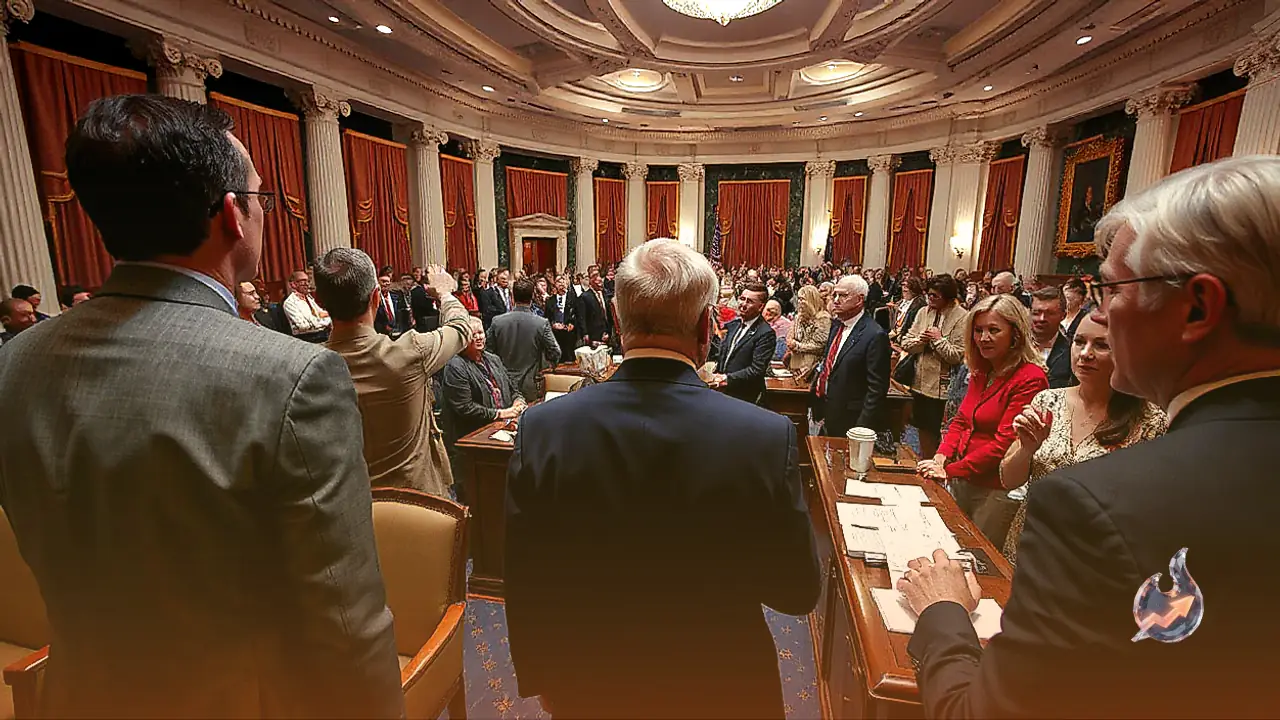














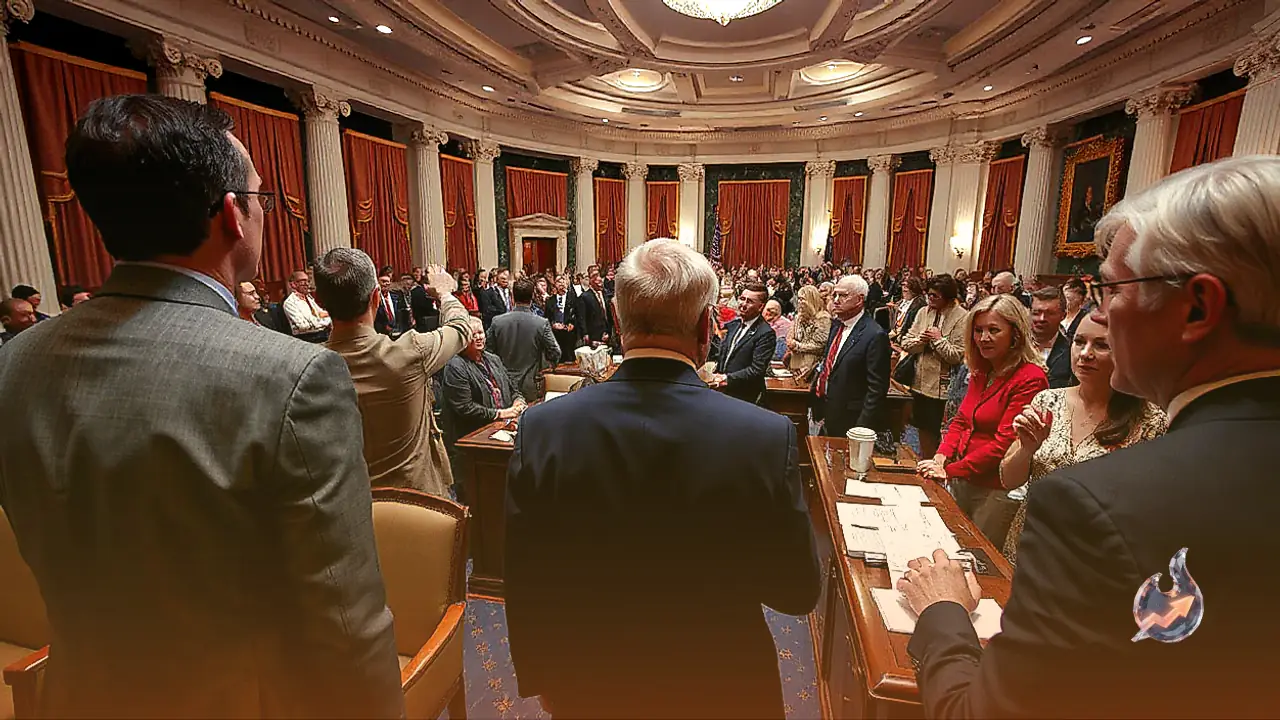

The political balance of power in the United States has shifted dramatically following the 2026 midterm election results. The Republican Party suffered significant losses nationwide, leading to the Democratic Party taking control of both chambers of Congress. As the scale of the defeat became evident, national politics saw immediate upheaval. In the midst of the post-election developments on the night of November 3, reporter Dasha Burns placed a direct telephone call to President Donald Trump during a live news analysis broadcast, and the president answered the call on air.
An Unscripted Phone Call on Live Television
The exchange unfolded late on the evening of November 3 during ongoing live election coverage. With commentators analyzing the loss of legislative majorities across both the House and the Senate, Dasha Burns dialed President Donald Trump directly from the studio. While it is rare for a sitting head of state to join an unscheduled media broadcast without prior arrangement, Trump answered the phone and remained on the line.
Burns quickly informed the president that he was live on air with her and her colleagues. She then asked what message he wanted to deliver to the public and what he believed had led to his party's comprehensive losses across the country that night.
Absence From the Ballot Cited as Primary Factor
Addressing the election outcome, President Donald Trump rejected personal responsibility for the defeat. He stated that he was not personally on the ballot and argued that the party failed to turn out its voting base in sufficient numbers. According to him, his absence from the ticket was the defining reason behind the outcome.
Trump asserted that had he been directly on the ballot, his party would have carried the elections and secured victories across the board with ease. Burns responded by pointing out that during campaign rallies, Trump had explicitly urged voters to cast their ballots as if he were personally running in their districts.
Trump acknowledged making that appeal to voters during the campaign but remarked that voters did not view the election through that lens. He argued that in many races, voters simply disliked the individual candidates fielded by the party. He characterized the outcome as an unfortunate political reality and maintained that he was not seeking to single out any individual for blame.
Democratic Majorities and the Path of Bipartisan Negotiation
When asked how he planned to govern for the remainder of his term with both chambers under opposition control, Trump reiterated points he had shared in previous discussions with other networks. He stated that his administration intended to work alongside congressional Democrats to advance the national interest, calling cooperation essential.
Trump revealed that Democratic lawmakers had already reached out by phone expressing an interest in joint legislative work. While acknowledging that he retains presidential veto authority over all congressional legislation, Trump emphasized that he did not intend to spend the next two years merely issuing vetoes against every bill sent to his desk. He noted that the opposition also shares an interest in seeing government business move forward. The remarks indicate an acknowledgement that legislative progress will require deal-making across the aisle.
A Call for Unity Within the Republican Ranks
Turning to internal party dynamics, Trump warned Republican leaders and activists against internal finger-pointing in the wake of the defeat. He stressed that party members need to overcome division and maintain a unified front.
Trump told the party that members must come together and maintain institutional unity. He urged party figures to focus on continuously crafting sound policies rather than engaging in internal factional disputes.
Defending the War with Iran Amid Economic Pressures
The conversation took a sharp turn when discussion moved to the ongoing war with Iran and its fallout on the domestic economy. Critics and voters have increasingly attributed rising gasoline prices and broader inflation to the ongoing military conflict with Iran.
Trump firmly rejected that criticism and mounted an unyielding defense of his foreign policy actions. He acknowledged that many people link energy prices to the conflict in Iran, but he maintained that his decisions regarding Iran were entirely correct for the long-term benefit of the United States and global security. Trump insisted that his military strategy was justified when launched and remains justified today.
Conflicting White House Views and the Next Two Years
The exchange highlighted diverging perspectives within the administration regarding the electoral fallout. While Vice President JD Vance has explicitly attributed the midterm defeat to the war with Iran, Donald Trump continues to endorse his foreign policy trajectory without reservation.
With the legislative branch now firmly in Democratic hands, the White House faces a divided government for the next two years. Even as Trump signals a willingness to negotiate on key bills, his refusal to concede error on foreign policy sets the stage for continuous friction between Capitol Hill and the executive branch.