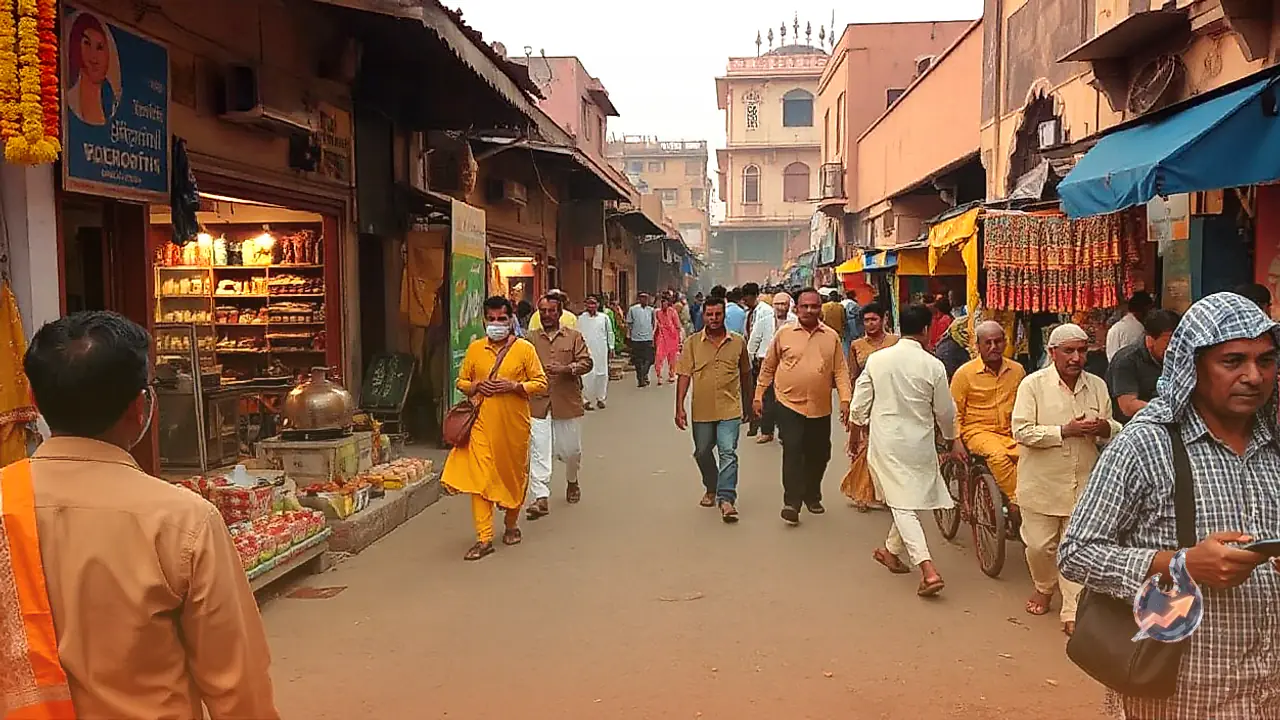






















With Diwali celebrations approaching, sweet shops across the region witness immense customer traffic as families purchase confectionery for festive gatherings and gifts. However, consumers are being urged to exercise caution during this festive shopping window following extensive crackdowns by state food safety authorities. Inspections conducted across multiple districts have exposed alarming hygiene lapses, ranging from stale confectionery to dairy sweets contaminated with dead flies and moldy cream. Flying squads and surveillance teams have seized substantial volumes of substandard food products and supervised the on-the-spot destruction of heavily deteriorated consignments to prevent hazardous consumables from reaching dinner tables.
Statewide Crackdown Under Shuddh Aahar Milawat Par Vaar
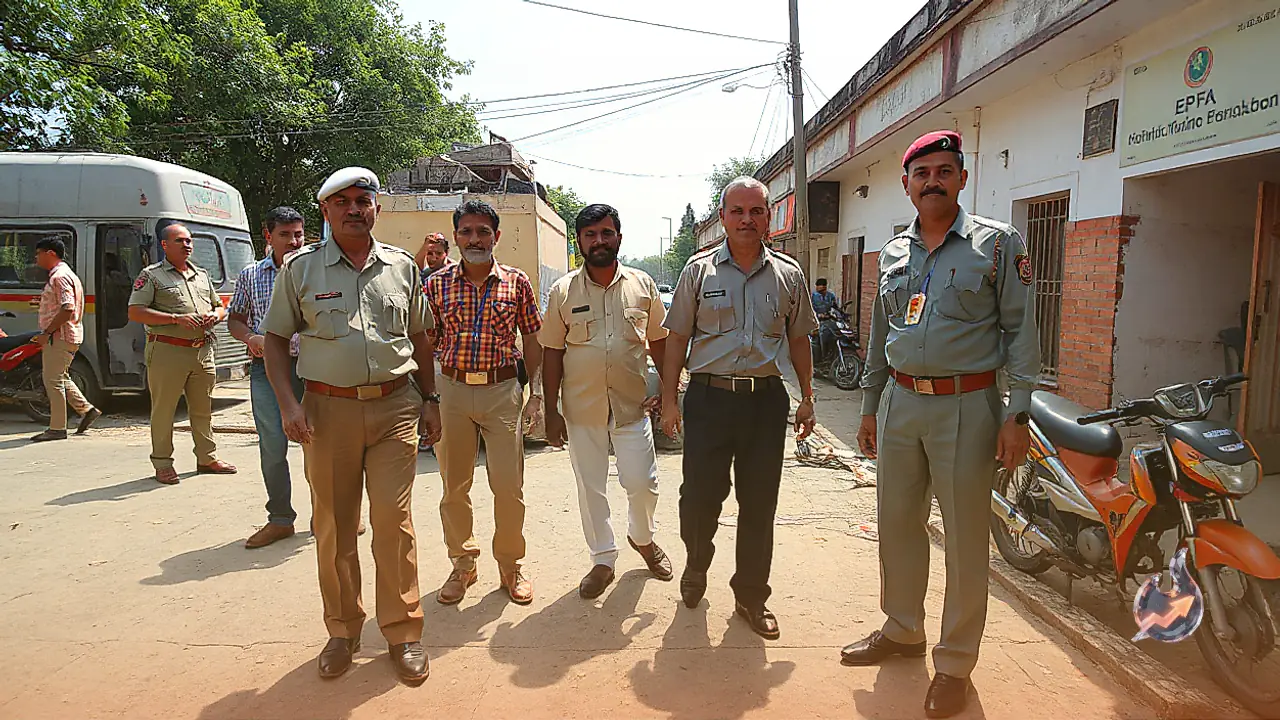
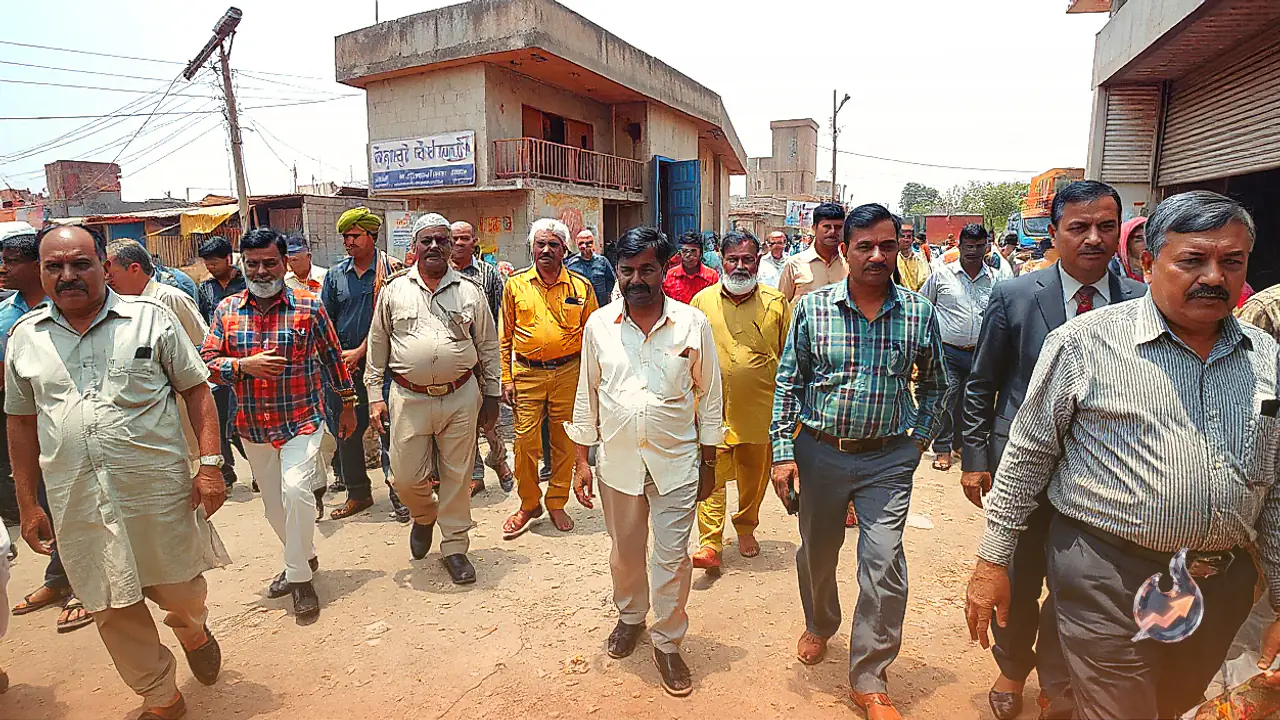
The state administration has intensified market surveillance through its ongoing Shuddh Aahar Milawat Par Vaar initiative, designed to eliminate adulteration and enforce strict sanitation standards. Dedicated teams from the food safety department are conducting surprise visits across sweetshops, central warehouses, and dairy processing units. Officials are drawing statutory samples from suspect batches and forwarding them to government analytical laboratories for comprehensive testing. While technical confirmation of synthetic adulteration depends on formal lab verdicts, the physical discovery of rancid materials, mold colonies, and unhygienic preparation environments has raised substantial public health concerns during this peak commercial season.
District Inspections Reveal Stale Stock And Unsafe Conditions
Enforcement squads executed focused operations across designated commercial pockets. In one sector, inspectors inspected three commercial food establishments to collect analytical samples. A statutory sample of mishri mawa was gathered from Sharma Chaat and Mishthan Bhandar. Inside the same enterprise, investigators uncovered approximately 20 kilograms of stale, degraded sweets deemed entirely unfit for human intake. The entire 20-kilogram haul was summarily destroyed on the premises under regulatory supervision. Food Safety Officer Keshav Goyal provided particulars of this enforcement action, noting that traders were also formally warned to restrict the use of synthetic food colorings in their festive preparations.
Large Seizures in Rawatsar And Goluwala
Joint enforcement drives led by CMHO Dr. Navneet Sharma swept through commercial outlets across Rawatsar and Goluwala. The inspection teams carried out rigorous inventory checks to verify product freshness and storage standards. During these sweeps, authorities seized 1485 kilograms of jaggery alongside 186 liters of mustard oil pending regulatory verification. In addition, 40 kilograms of corrupted food items were directly destroyed. Multiple legal samples of staple ingredients and finished confectioneries were secured from various commercial units across the market to be processed through diagnostic laboratories.
Warehouse Raid in Kotkasim Uncovers Mold And Dead Insects
One of the most severe public health violations was uncovered in the Budhi Bawal area within Kotkasim. Acting on precise intelligence from an informant, enforcement officials raided a processing warehouse operated by Leelaraman, a resident of Mothuka village. The storage facility lacked basic sanitary safeguards, yet commercial sweetmakers were found actively manufacturing kalakand. A direct examination of the product revealed dead flies embedded within the kalakand, along with extensive fungal growth across the dairy base. Taking swift remedial measures, the team destroyed approximately 425 kilograms of contaminated kalakand, 150 kilograms of raw milk, and nearly 50 kilograms of mold-covered dairy cream on the spot. Hemant Yadav, Nodal Officer for the food safety department, confirmed that legal samples were preserved and dispatched to analytical laboratories for further statutory proceedings.
Disposal of Degraded Syrups, Gulab Jamun, And Rasgulla Batches
Broad surveillance operations aimed at high-demand festive items led to further major confiscations. Regulatory squads intercepted and either seized or destroyed a massive stockpile of contaminated food items, which included 510 kilograms of gulab jamun and rasgulla. Teams also inspected a cottage cheese plant situated on Tulsivan Road, extracting formal samples of mawa, refined oil, and dairy cream. Subsequent checks targeted Kamleshwar, Shri Ram, and Mittal Mishthan Bhandar, along with Horilal Prajapat Mawa Plant and Shri Ram Mishthan Bhandar. At Mittal Mishthan Bhandar, officials discovered rancid, decomposed sugar syrup; nearly 100 kilograms of this degraded syrup was immediately drained and destroyed. A sample of mawa barfi was drawn from the shop, bringing the total haul from that specific sweep to six samples, encompassing mawa, cream, and refined palmolein oil. Authorities maintained that formal penal action will be initiated against offending business operators upon delivery of laboratory findings.
Consumer Guidelines For Safe Festive Purchases
Given the widespread enforcement discoveries across processing hubs, shoppers are strongly advised to exercise diligence when purchasing holiday sweets. Attractive storefronts and bright displays should not be accepted as guarantees of wholesome quality. Buyers should first evaluate baseline premises cleanliness, ensuring products are kept in covered vitrines shielded from airborne dust and insects. Always insist on receiving an itemized bill, and examine packaged confectionery for clear manufacturing and expiration dates. Highly saturated, fluorescent color tones should be avoided, as they frequently indicate an excess of artificial dyes. Confectioneries giving off sour smells, abnormal textures, or visible mold patches must be rejected outright. Freshness in mawa and dairy-based treats should be scrutinized closely, and suspicious or unhygienic practices should be promptly reported to local food safety regulators.