

















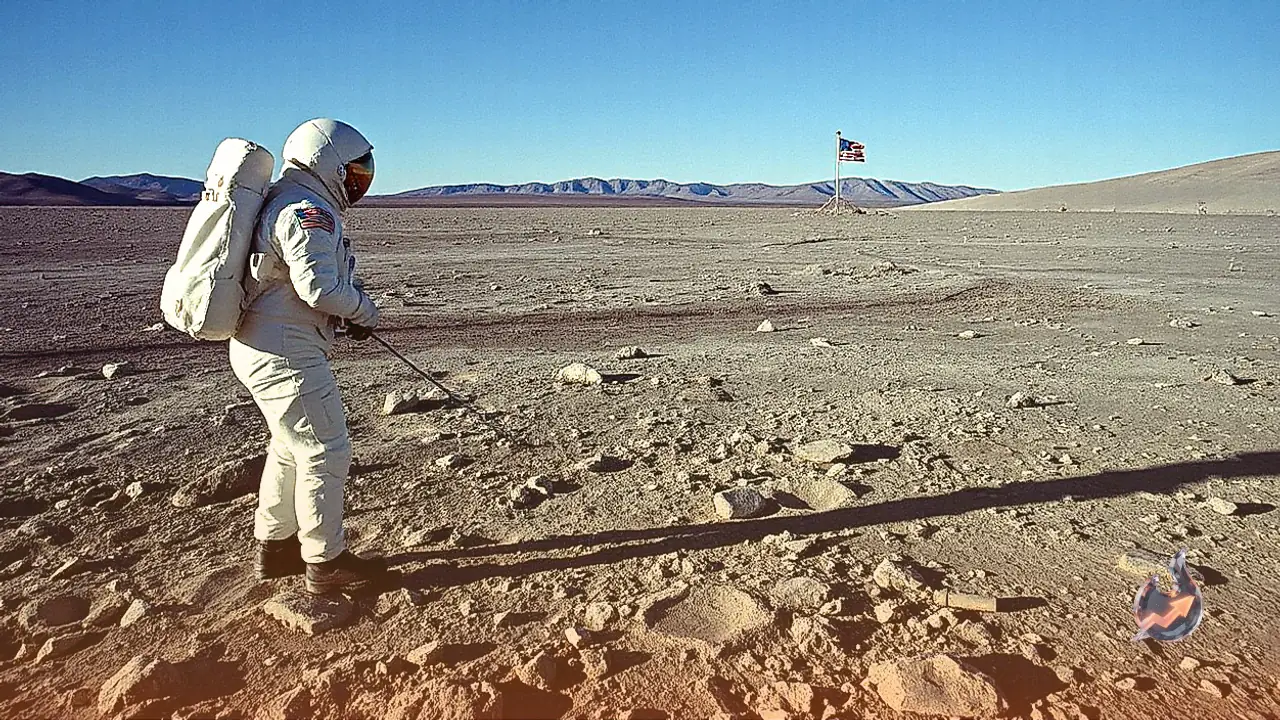

Golf is widely recognized as one of the most expensive sports on Earth, with massive club memberships running into fortunes. Pristine courses, costly equipment, and elite gatherings define the game for the wealthy, yet there is a place in the universe where even billions of dollars offer no advantage. That remote destination features no clubhouse, no caddie, and no manicured green lawn, making it a place where no sane person would risk visiting just for a casual round. That location is the moon, which holds the unique distinction of playing host to a clandestine golf game played by a human being.
The Lone Golfer on the Lunar Surface
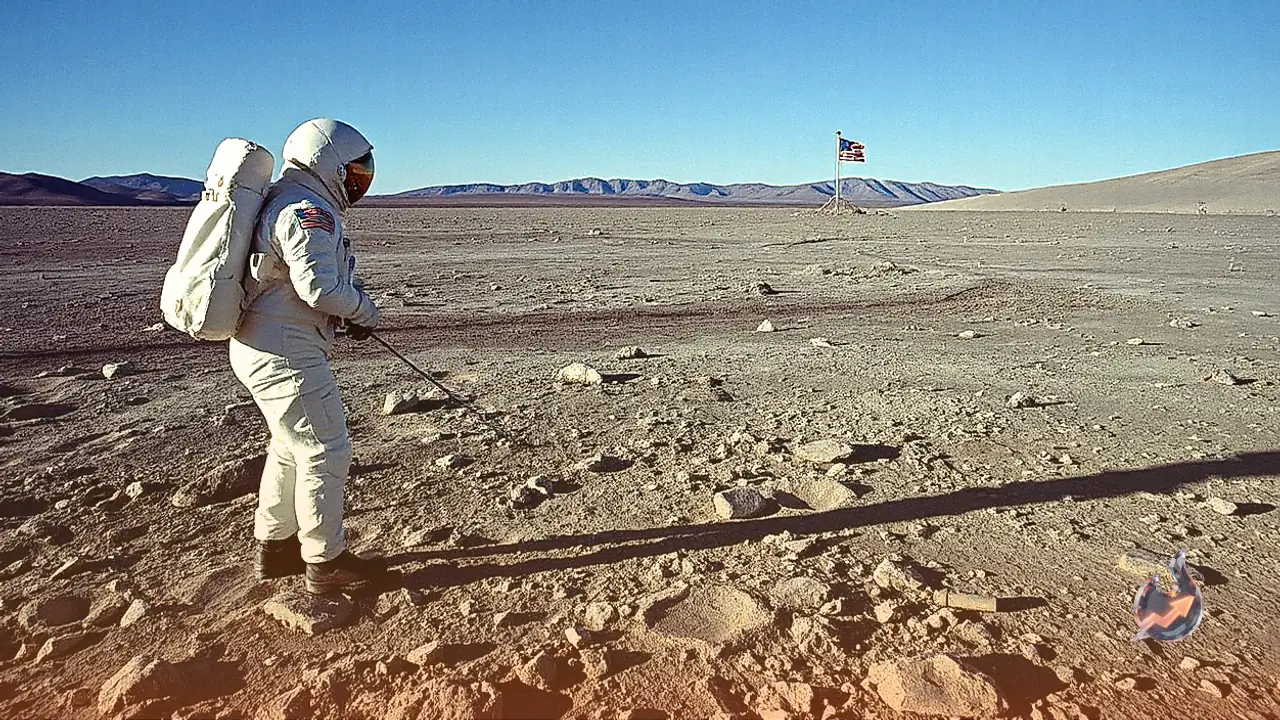
The only person to ever play golf on the moon was Alan Shepard, who took swings on the lunar dust on February 6, 1971, during the Apollo 14 mission. This was no cinematic stunt; Shepard stood on the lunar landscape wearing a bulky spacesuit while gripping a makeshift golf club. Preparations for this unusual sporting endeavor had quietly begun months before launch. While sports fans on Earth followed standard athletic events back home, an unthinkable athletic feat was unfolding approximately 3.7 lakh kilometers away in the silent expanse of space.
Smuggling Equipment Aboard the Spacecraft
Alan Shepard harbored a deep passion for the sport and consulted Jack Harden, a golf pro at the River Oaks Country Club in Texas, before embarking on his journey. Harden constructed a customized Wilson staff Dyna-Power 6-Iron clubhead, which NASA technical services modified to attach to a collapsible geological tool handle used for gathering lunar samples. Shepard cleverly tucked the club components and two golf balls inside a tubular sock concealed within his spacesuit. Notably, these items were never included on the official NASA manifest, meaning he packed them without formal authorization during a multibillion-dollar taxpayer-funded program where every single minute was meticulously scheduled for vital scientific research.
Executing a One-Handed Swing in Low Gravity
After completing roughly nine hours of strenuous scientific tasks on the lunar surface, Shepard found a brief window of opportunity near the end of his moonwalk as he prepared to re-enter the lunar module. Facing the television camera, he revealed the makeshift club to mission control. Due to the extreme stiffness of his pressurized spacesuit and thick gloves, gripping the club with both hands proved entirely impossible, forcing him to swing one-handed. After initial attempts kicked up excessive dust and resulted in short distances, his final swing sent the second ball soaring across the landscape. Elated by the moment, Shepard exclaimed that the ball traveled for miles.
Modern Technology Reveals the True Distance
During the historic broadcast, no precise technology existed to track the exact trajectory or landing spot of the lunar golf shots, leaving Shepard uncertain of their final resting place. Nearly five decades later, photography expert Andy Saunders utilized advanced digital enhancement techniques on archival Apollo imagery and video footage to examine hidden details from the lunar missions. By cross-referencing high-resolution data from the Lunar Reconnaissance Orbiter, Saunders calculated that the second ball traveled roughly 40 yards rather than the vast distances triumphantly claimed during the broadcast. Experts noted that achieving any meaningful contact under severe physical restrictions and one-sixth Earth gravity remained a remarkable feat.
The Permanent Legacy Left Behind
The obvious question remains regarding the current whereabouts of those two golf balls. They continue to rest precisely where Shepard left them on the lunar surface more than fifty years ago. Analysts have previously speculated that if these items ever returned to Earth, their auction value could easily reach millions of dollars. Despite such speculation, space historians and agency officials emphasize that these lunar artifacts should remain undisturbed as protected heritage sites representing early human exploration, ensuring the balls stay permanently embedded in the dust of another world.