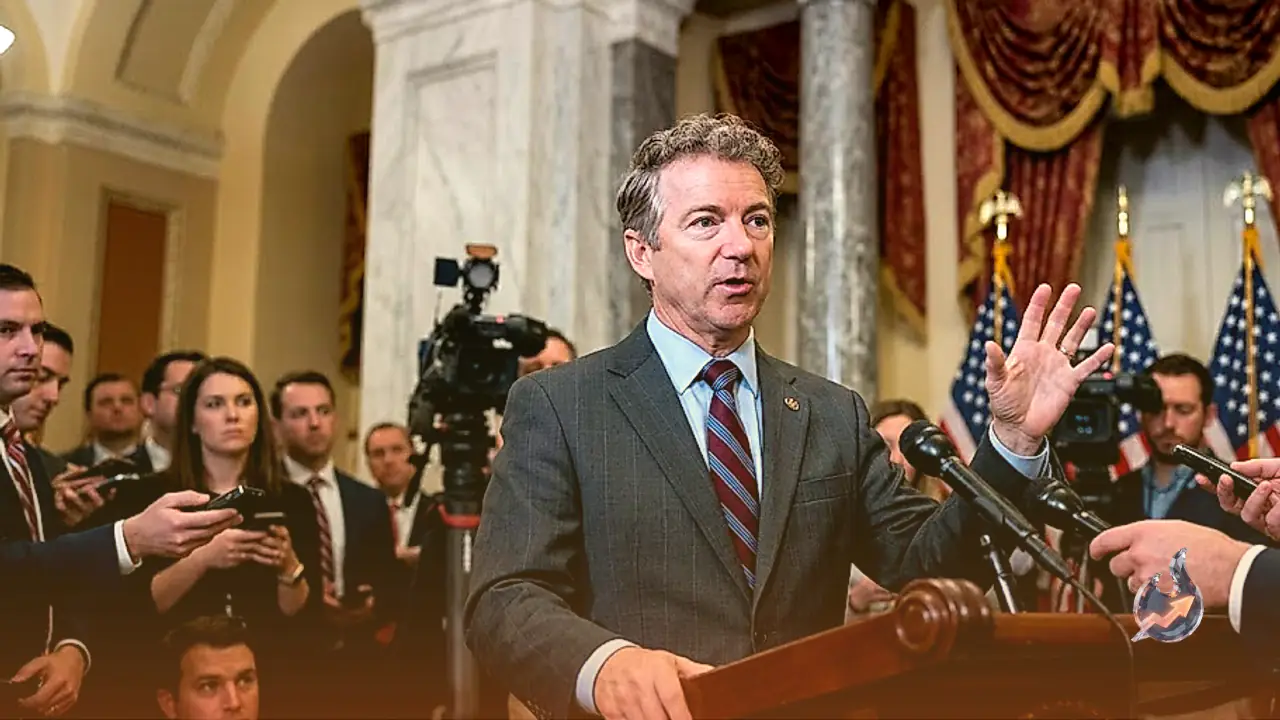





















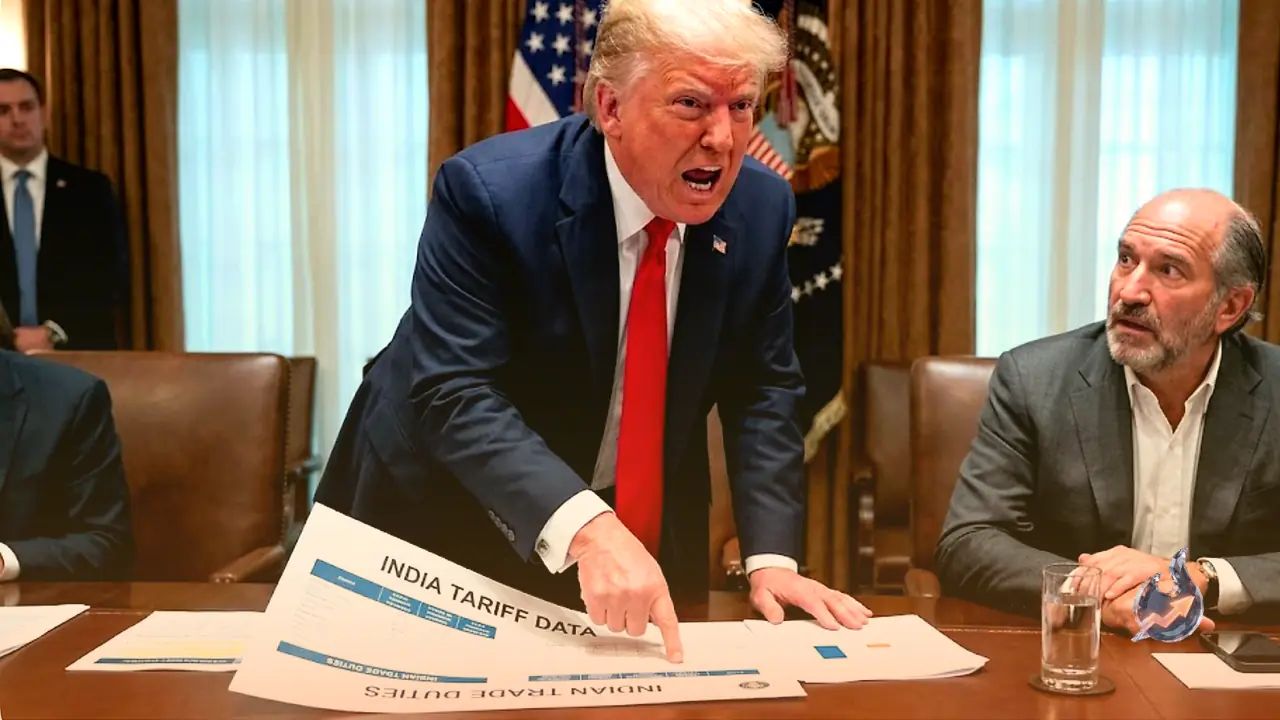

A new book doing the rounds in Washington's political circles has put Donald Trump's famously short temper back in the spotlight. Titled ‘Regime Change’, it claims that the moment Trump laid eyes on India's official tariff figures, he blew up and dressed down his own commerce chief, swearing and dismissing the government records outright as nonsense and lies. Trump was convinced that India was actually slapping far heavier taxes on American goods than what the official files recorded.
Ever since Trump returned to the presidency, ties between India and the United States have swung between warmth and friction. The biggest sticking point has been tariffs, which created enough tension to keep a major trade deal hanging in the balance for a long stretch.
‘No, these are bullshit numbers’
According to the book, the row erupted when Commerce Secretary Howard Lutnick handed President Trump a full breakdown of the tariffs India imposes on American goods. The figures set Trump off, and he turned on Lutnick. He was certain India was charging far more on American products than the official numbers suggested. When the minister tried to walk him through the government data, Trump lost his composure and snapped, ‘No, these are bullshit numbers.’ His claim was that India levies at least a 175 percent tax on American goods, far above anything in the official record.
Instead of trusting his own administration's data, Trump dug in on his personal theory. The book says that when Lutnick laid out the official tariff figures prepared by the United States Trade Representative (USTR), the President's anger hit the roof. He went so far as to accuse his own administration of feeding him misleading numbers.
Howard Lutnick repeatedly tried to convince him that these official figures were the correct ones, but Trump refused to listen and swept the government data aside with abuse. It was not just Trump; Treasury Secretary Scott Bessent has also branded India the ‘Maharaja of tariffs’.
What the White House fact sheet actually says
Trump may have insisted India was charging a 175 percent tax, but the White House's own official fact sheet paints a very different picture. The fact sheet tied to the interim bilateral trade agreement between India and the United States does acknowledge that India is among the major economies imposing the highest tariffs on America. According to the official record, the picture looks like this.
- Agricultural products: India levies an average tariff of up to 37 percent on American farm goods.
- Automobiles: on certain American cars and auto parts the tax climbs past 100 percent, though that still falls well short of Trump's 175 percent claim.
Russian oil and the 50 percent tax
The trade relationship hit an especially fragile point when Trump expressed deep anger over India's continued purchases of crude oil from Russia. In August 2025 he accused India of ‘helping Putin in the Ukraine war’ by buying Russian oil. He then slapped an additional 25 percent tax on goods coming from India. The United States had already imposed a 25 percent duty earlier, pushing the total burden up to 50 percent. That put India in the same line as BRICS nations like Brazil and China, which are facing the heaviest American taxes.
On top of that, Trump also claimed that he had stopped a potential war between India and Pakistan after ‘Operation Sindoor’, a claim that New Delhi officially rejected outright. All of this sharply deepened the bitterness between the two countries.
A relief, and the 18 percent math
Amid all this tension and deadlock, a piece of good news finally emerged on the diplomatic front. This February, India and the United States agreed on the framework of a bilateral trade agreement and made a historic announcement to cut tariffs on each other's goods. Once this new deal is in place, the trade equations will shift considerably.
- Tax down to 18 percent: the moment the new trade deal is fully implemented, the steep tax America imposed on India will drop to just 18 percent.
- Reset in ties: the agreement brings the months-long trade deadlock to the brink of ending, raising hopes of major relief for Indian exporters.