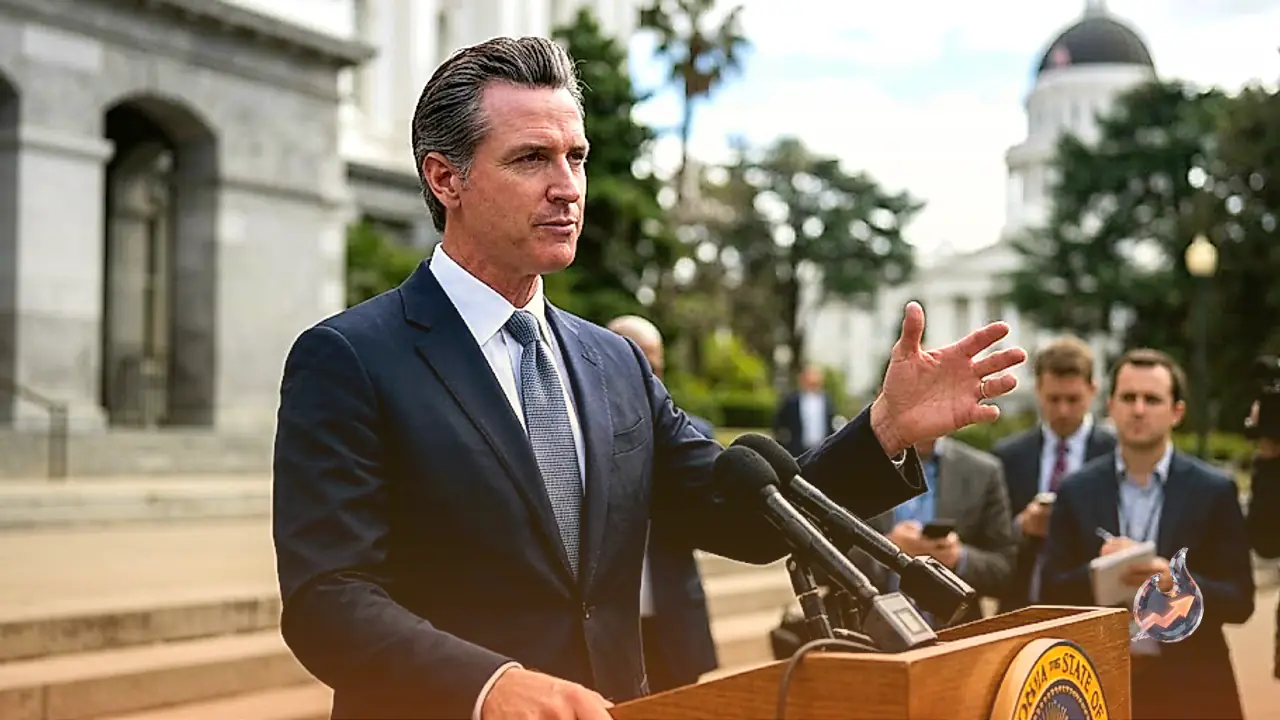























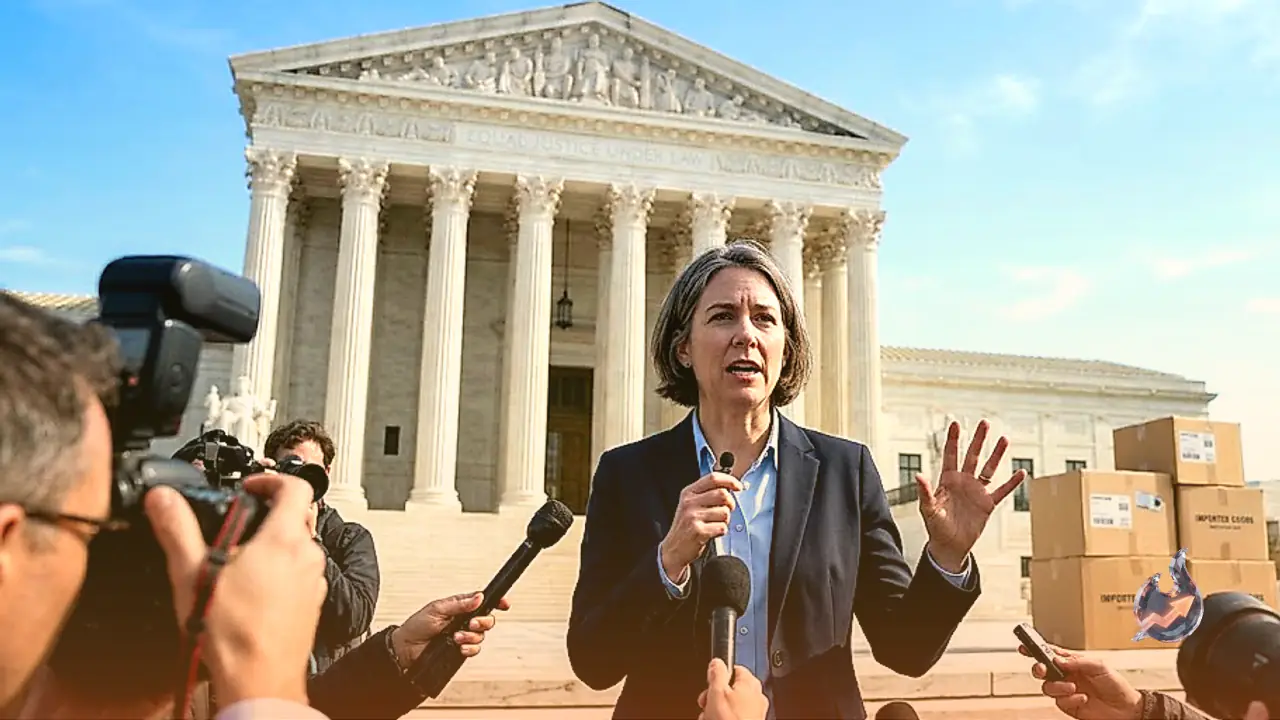

Import duties have remained a cornerstone of US President Donald Trump's economic strategy following his return to the White House. The administration maintains that imposing tariffs on foreign goods stimulates domestic manufacturing, creates industrial employment, and generates significant tax revenue. However, economic analysts and international trade experts counter that these protectionist measures have elevated retail prices for American households and introduced substantial friction into global commerce. In basic economic terms, a tariff operates as a percentage fee on a product's declared value. For instance, a 10% levy on a $10 item adds a $1 tax burden, raising the net cost to $11. This fee is remitted directly to the government by importing firms, which frequently pass the added expense to end consumers or mitigate costs by scaling back overseas orders. Trump contends that these levies offset trade imbalances with partner nations that sell more goods to the US than they purchase, viewing trade deficits as an inequity that tariffs serve to rectify.
Supreme Court Mandates and Emergency Power Limits
In February 2026, the US Supreme Court issued a major ruling addressing the executive branch's statutory authority. The court determined that Trump had exceeded his legal powers by using emergency provisions to implement targeted import duties without explicit authorization from Congress. This judgment invalidated tariffs instituted under the International Emergency Economic Powers Act (IEEPA), affecting initial actions taken in early 2025 against Mexico, Canada, and China. Furthermore, the decision struck down broad tariffs declared on "Liberation Day" in April 2025, which had set duties reaching up to 50% for dozens of nations including Cambodia, Vietnam, and Malaysia. Consequently, government authorities have been compelled to process tens of billions of dollars in duty refunds to affected commercial importers.
Pivot to Alternative Trade Statutes and Broader Duties
Following the judicial ruling, the White House shifted to alternate legal frameworks to preserve its trade posture. The administration initially invoked Section 122 of the Trade Act of 1974 to enact a universal temporary 10% tariff on all global imports. After those temporary measures expired on 24 July, new duties ranging from 10% to 12.5% were applied to the top 60 US trade partners, encompassing the UK, the EU, and China. These recent levies were instituted under Section 301 of the Trade Act of 1974, premised on allegations regarding forced labor practices among trading partners. In response, 25 Democratic-controlled US states filed a legal challenge characterizing the duties as arbitrary, capricious, and contrary to law, alleging that forced labor concerns were used as a pretext. Additionally, Section 301 was utilized to levy a 25% tax on select Brazilian imports over policy disagreements, while Section 338 of the Tariff Act of 1930 was cited to apply a 50% retaliatory tariff on Canadian goods due to disputes concerning American automotive, dairy, and alcohol exports.
UK Bilateral Terms and Sector Specific Steel Duties
Prior to these recent adjustments, the UK secured a specific trade agreement with the US in June 2025 that established a baseline 10% tariff on most exported goods. In 2024, UK businesses exported approximately £58bn in merchandise to the US market, predominantly involving automobiles, industrial machinery, and pharmaceuticals. Under the negotiated terms, the preferential 10% duty applies strictly to the first 100,000 UK vehicles exported annually, a volume reflecting 2024 figures, while any shipments exceeding that threshold incur the standard 25% rate. British steel exports face a 25% tariff, contrasting with the 50% rate imposed on steel and aluminum from most other international sources. The US remains the world's second-largest steel importer behind the EU, sourcing primary volumes from Canada, Brazil, Mexico, and South Korea.
Consumer Inflation, Corporate Responses, and Global Outlook
Retail corporate leaders, including Target, Walmart, and Adidas, have indicated that duty costs are being integrated into consumer pricing. Consequently, retail prices have climbed across categories such as toys, home appliances, furniture, and food products, alongside US-assembled goods reliant on imported components. An October 2025 study by Goldman Sachs estimated that approximately 55% of tariff costs were passed directly to US buyers. Concurrently, an April study by the Federal Reserve connected the comprehensive 2025 tariffs to elevated inflation trends. Despite these commercial barriers, overall US imports grew by 4% during 2025. On the global stage, market volatility and dollar fluctuations accompanied the initial tariff rollouts in early 2025. In January 2026, the International Monetary Fund (IMF) observed that tariff policies had measurably slowed global economic output, a situation further complicated by energy and fertilizer supply disruptions stemming from the conflict involving Iran.