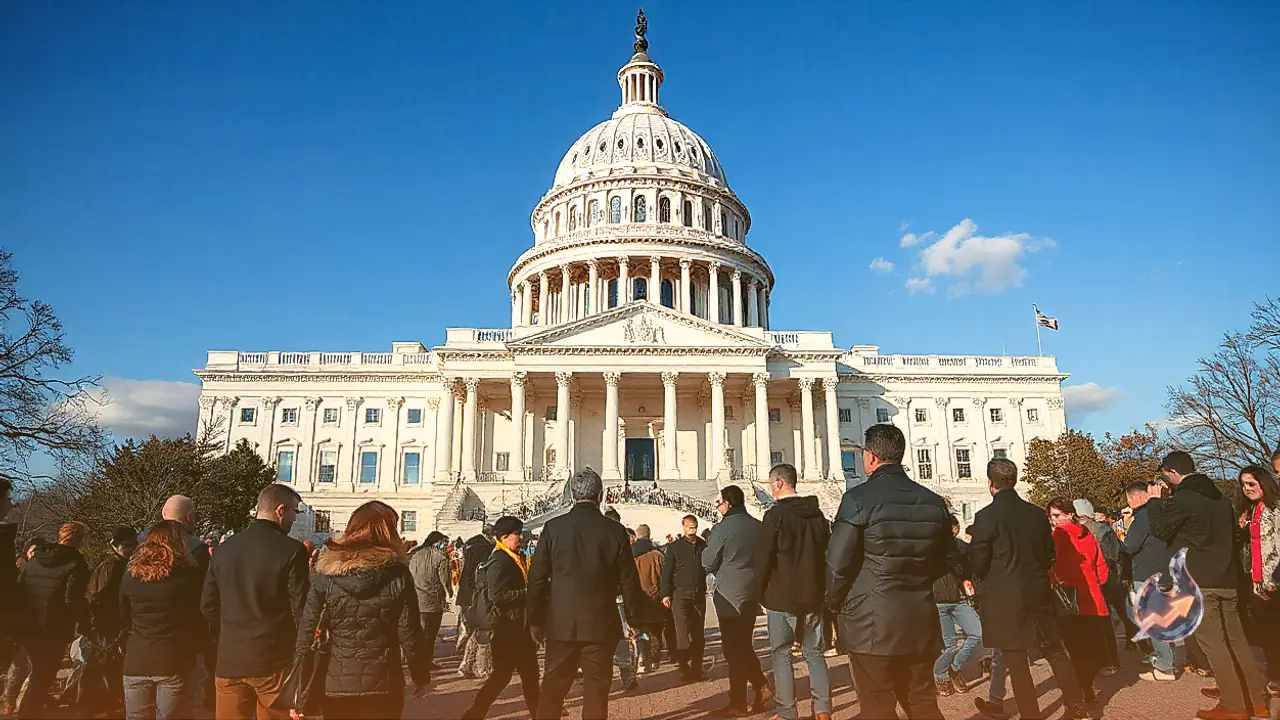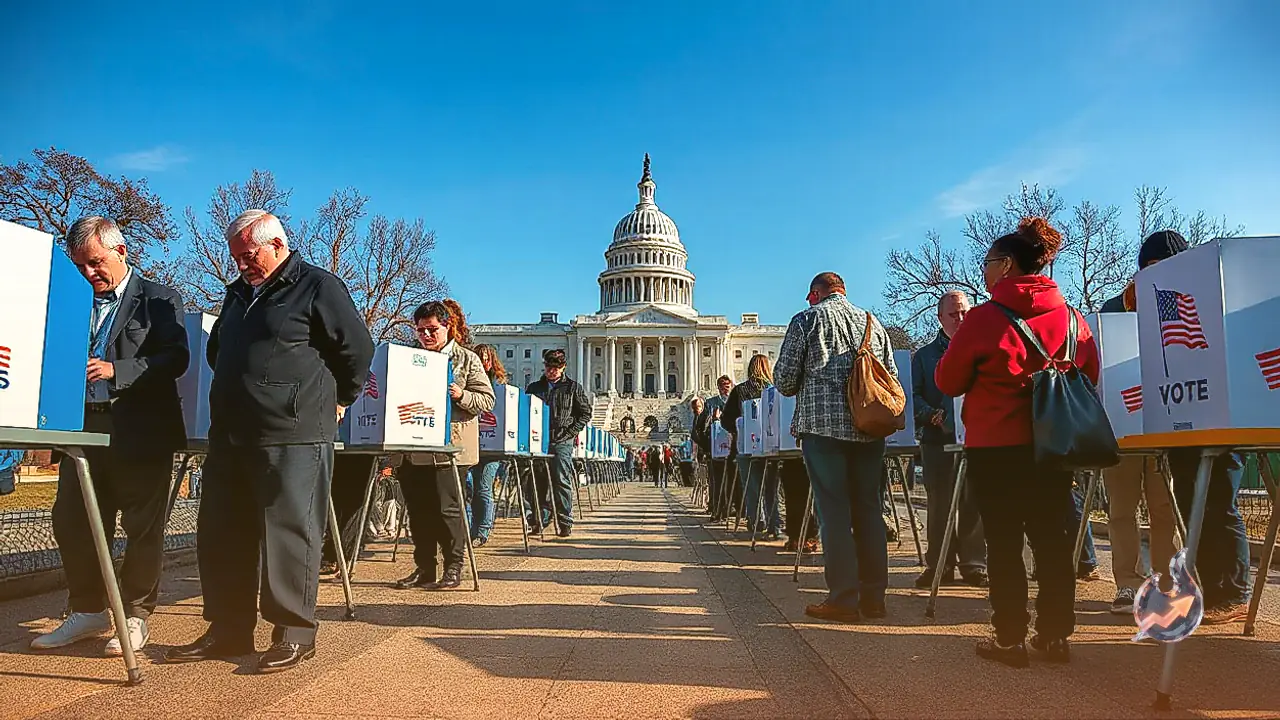
























A major realignment is taking shape across Capitol Hill as returns from the 2026 US midterm elections signal a pivotal shift in legislative power. The Democratic Party is on course to capture control of the House of Representatives, forcing Republicans to relinquish their majority in the lower chamber. This decisive swing poses direct legislative hurdles for President Donald Trump, directly complicating the execution of his policy platform throughout the remainder of his term. Across the country, millions of voters cast their ballots to determine the composition of all 435 House seats, 35 Senate contests, and 36 governorships.
Milestone Gubernatorial Victories
State-level races produced unprecedented breakthroughs in executive representation. In Georgia, Democratic contender Keisha Lance Bottoms clinched a milestone victory, becoming the first Black woman governor in American history. Concurrently, Florida elected Republican Representative Byron Donalds as governor, marking the first time a Black executive will lead the state. Both contests underscore profound demographic and political milestones across the Sun Belt.
Key Senate Flips and Bitter Battles
The fight for Senate dominance saw Democrats flip multiple high-stakes battlegrounds. In South Carolina, Democrat Annie Andrews seized the Senate seat held for approximately three decades by the late lawmaker Lindsey Graham, delivering a major defeat to the Republican ranks.
In North Carolina, former Democratic Governor Roy Cooper unseated Republican Michael Whatley in one of the cycle's most consequential flips. Over in New Hampshire, Democrat Chris Pappas defeated Republican opponent John Sununu to secure the Senate seat. In Georgia, incumbent Democratic Senator Jon Ossoff successfully defended his position, bolstering his party's drive to challenge the Republican Senate majority. Meanwhile, veteran Maine Republican Senator Susan Collins faced an unexpectedly tight standoff against Democratic challenger Troy Jackson after nearly three decades in office.
Major House Contest Outcomes
In congressional district races, Indian-American candidates and incumbent lawmakers held critical ground. In Virginia's 10th Congressional District, 40-year-old Democrat Suhas Subramanyam, an adviser during Barack Obama's presidency, retained his seat with more than 61.5 percent of the vote, defeating Republican opponent Dave Beckwith, who secured 36.4 percent. Indian-American Democrat Piya Dandiya also celebrated a congressional race victory.
Georgia's 6th Congressional District saw Democratic candidate Lucy McBath successfully hold her seat in the lower chamber. In Florida, Democratic Representative Lois Frankel won reelection in the 23rd Congressional District, while Republican Greg Steube retained the 17th Congressional District, preserving bipartisan presence in the state's congressional delegation.
Ohio, Michigan, and Arkansas Dynamics
In Ohio, the race to replace term-limited Republican Governor Mike DeWine turned into a nail-biter as Republican candidate Vivek Ramaswamy trailed Democratic nominee Amy Acton. The contest garnered intense national attention following President Donald Trump's endorsement of Ramaswamy.
In Michigan, Mike Rogers' campaign closely tracked turnout divergences between the gubernatorial and Senate races, zeroing in on Detroit voters who hesitated between Abdul El-Sayed and the Republican platform. In Arkansas, where polls closed at 8:30 PM ET, Republican Senator Tom Cotton and Governor Sarah Huckabee Sanders entered race calls from positions of significant strength, sustaining total Republican dominance in the state 34 years after Bill Clinton's governorship.
Poll Closures and Counting Schedule
Because the United States spans multiple time zones, voting wrapped up in staggered phases. The earliest polling locations in sections of Indiana and Kentucky closed at 4:30 AM IST on Wednesday, with final locations concluding operations by 11:30 AM IST. In Kentucky, following the retirement of Mitch McConnell, Republican Andy Barr and Democrat Charles Booker battled for the open Senate seat, while Republicans aimed to defend their hold on seven of Indiana's nine congressional districts.