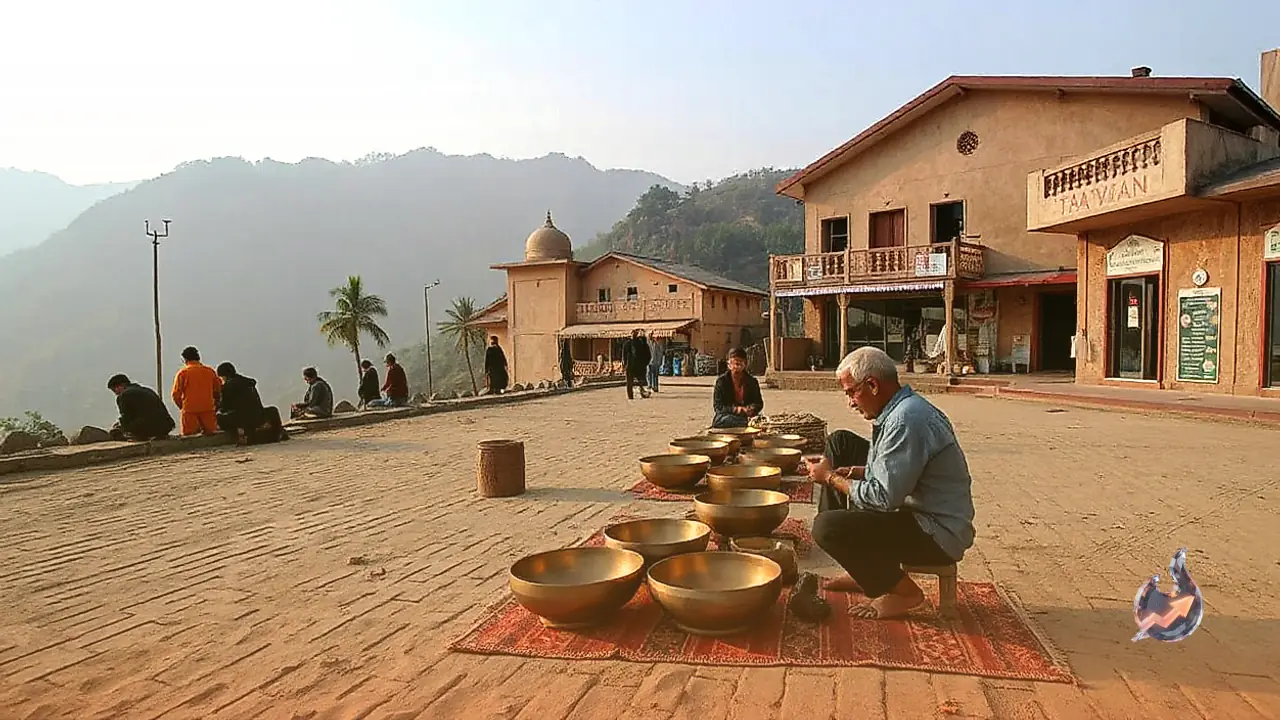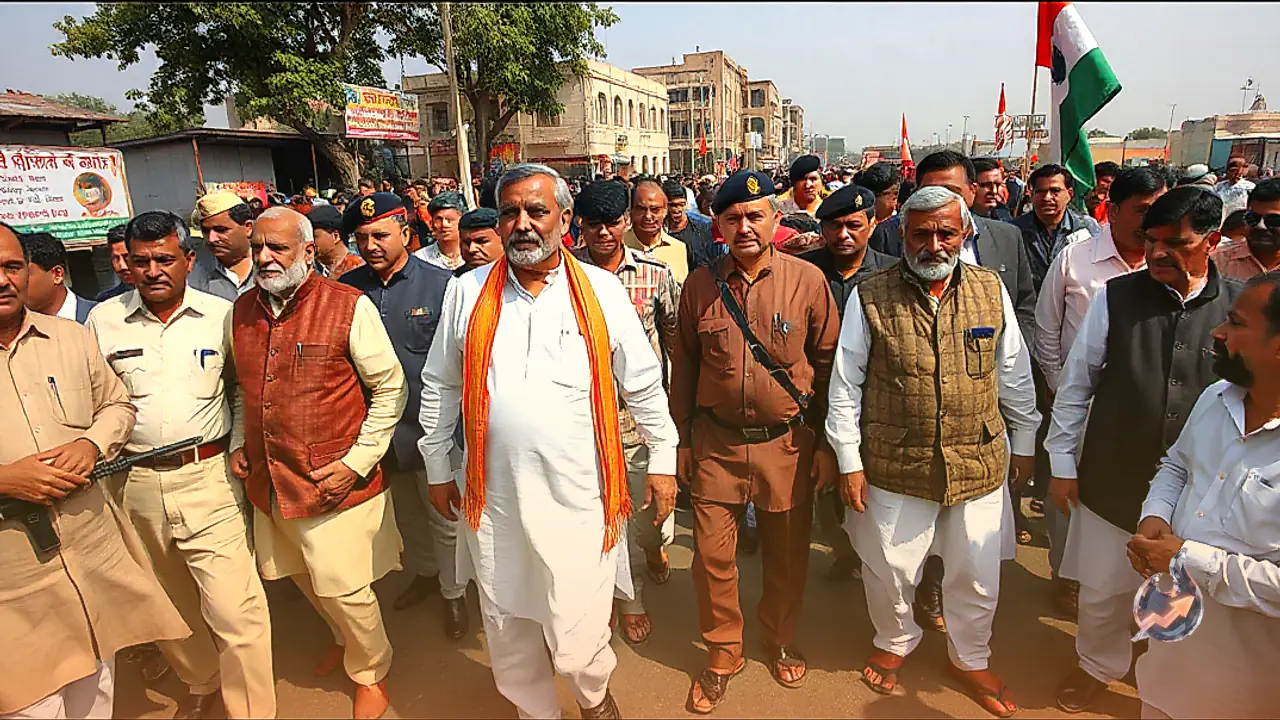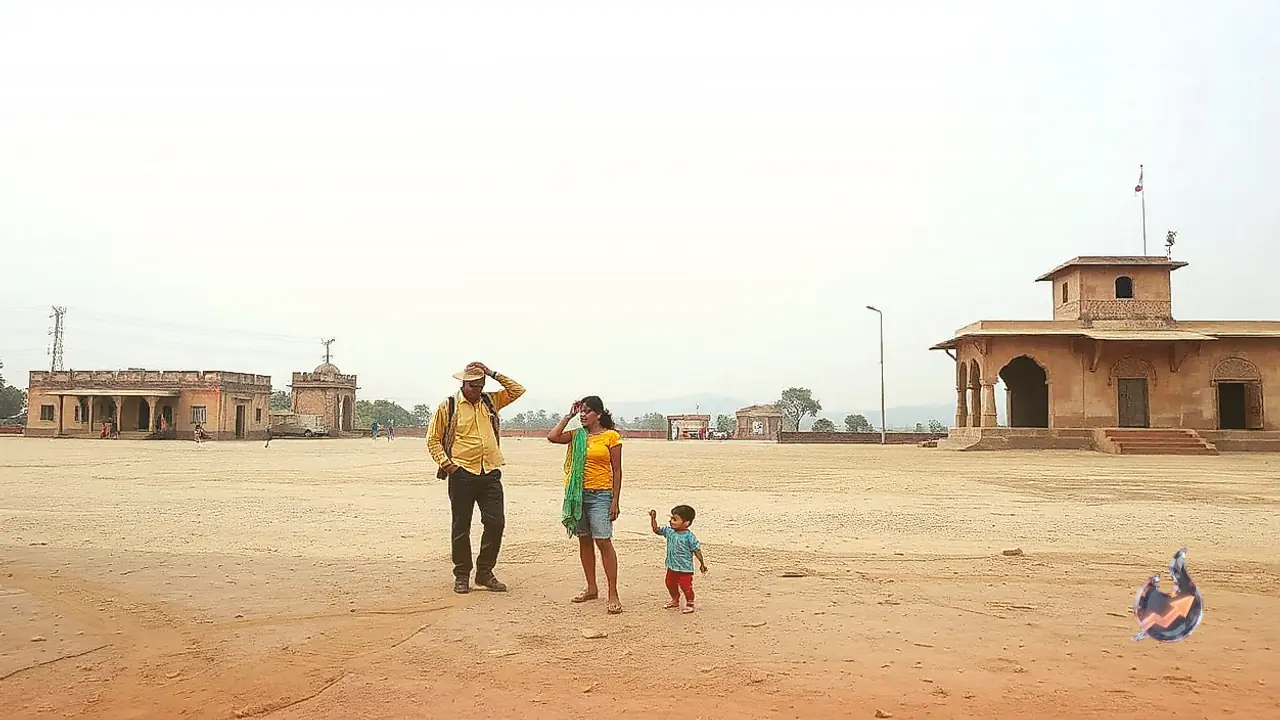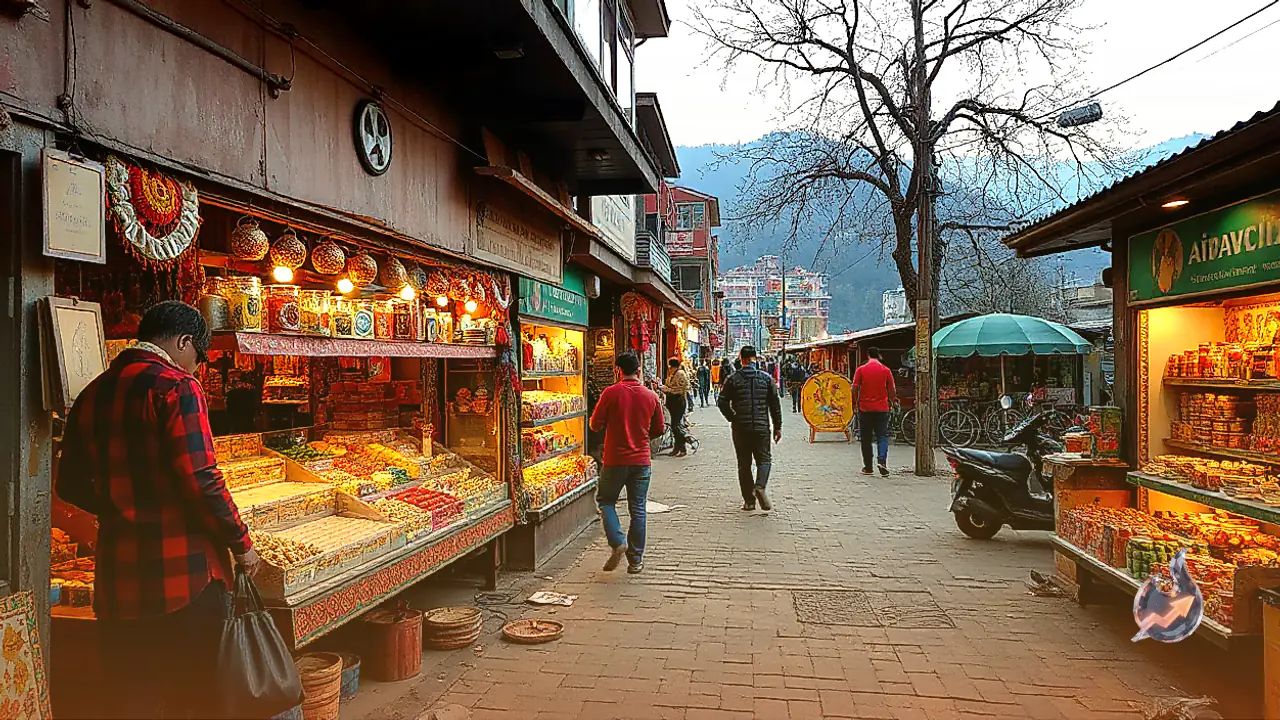
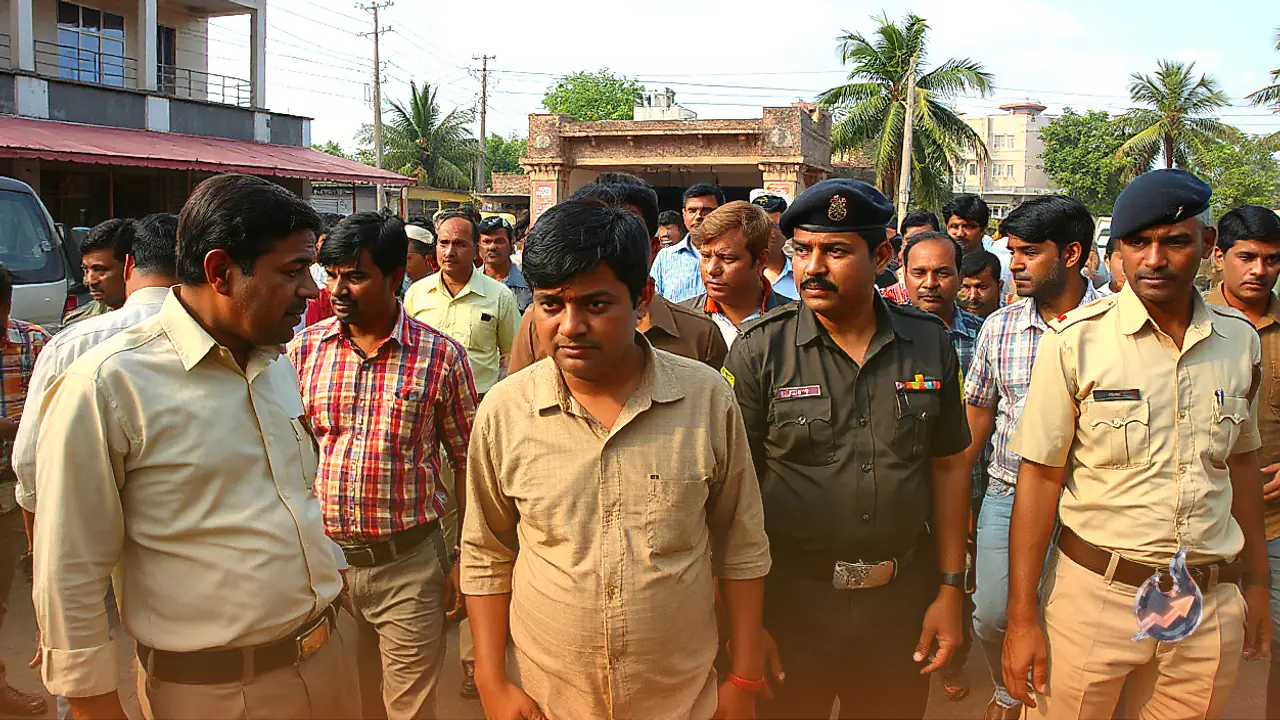














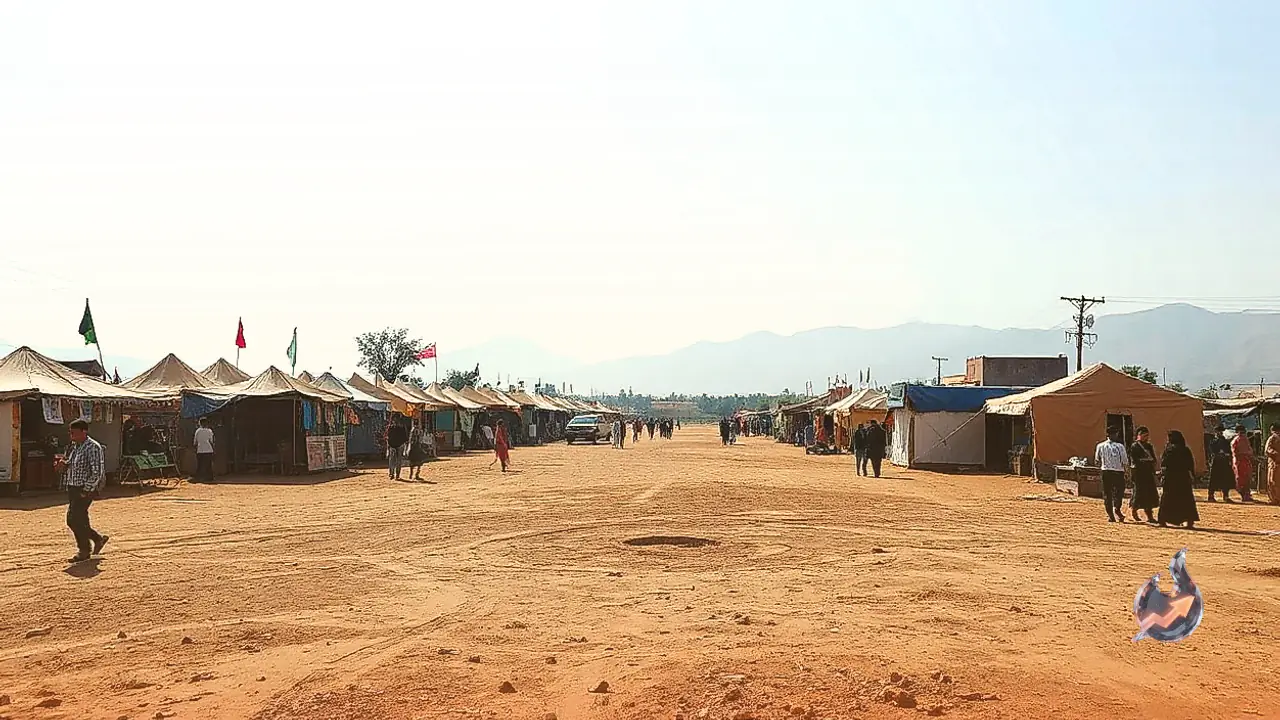

A vibrant celebration of grassroots entrepreneurship and mountain traditions has taken center stage in Uttarakhand as Bageshwar hosts its three-day Saras Fair at the historic Numaishkhet grounds. Running from November 3 through November 5, the rural marketplace has been brought together by the Rural Development Department under the National Rural Livelihoods Mission. Union Minister of State for Road Transport and Highways Ajay Tamta formally opened the event, accompanied by Bageshwar MLA Parvati Das and Kapkot MLA Suresh Garhiya. The primary spotlight remains firmly on rural women associated with self-help groups, who have arrived to showcase, promote, and sell their locally manufactured goods directly to visiting patrons.
Thirty-Five Stalls Showcase Native Himalayan Produce
The fairground features 35 stalls that combine the initiatives of women collectives alongside the agriculture, horticulture, and industries departments. Chandni Koranga, an operator managing one of the stalls, explained that a total of 35 booths have been set up to display specialized regional items. Visitors have been actively purchasing goods manufactured across rural hamlets, allowing self-help groups to serve consumers without intermediate supply layers and retain full value for their labor.
Traditional mountain cuisine, fresh agricultural produce, and handcrafted utilitarian goods have emerged as the premier attractions. Stall operator Sonu Dhami noted that indigenous foodstuffs, regional farm harvests, hand-crafted artifacts, and time-honored goods dominate consumer interest. The primary objective behind setting up this commercial venue is to open marketing channels for traditional hill produce while unlocking self-employment avenues for rural women.
Folk Music, Aipan Art Contests, And Traditional Games
Beyond commercial exchanges, the venue serves as a cultural hub reflecting regional Uttarakhand heritage. Group member Deepa Nagarkoti noted that musical and dance performances are running alongside the shopping stalls, offering audiences a direct look at the state's cultural identity through traditional melodies and dance steps. Hand-painted Aipan folk art contests, henna competitions, and traditional sporting events have also been integrated into the schedule, providing attendees with interactive entertainment and a deeper appreciation of ancestral mountain customs.
Buyer-Seller Meetings Accelerate Lakhpati Didi Targets
A structured buyer-seller meet was arranged within the fair framework to connect rural producers with established commercial buyers. Emphasizing the utility of this networking platform, self-help group representative Reeta Joshi noted,
"Through this, women from self-help groups are connecting directly with buyers and traders."These direct interactions are opening pathways toward wholesale supply contracts and giving rural producers exposure to evolving consumer trends and packaging standards.
District Magistrate Apoorva Pandey highlighted that fostering financial independence among rural women via self-employment remains the overarching goal of the initiative. Facilitating direct market access will elevate household incomes and accelerate progress toward the national Lakhpati Didi initiative. Reinforcing this perspective, group member Shalini pointed out that the three-day gathering provides small-scale rural women producers with valuable brand visibility, collective marketing strength, and an expanded consumer base.