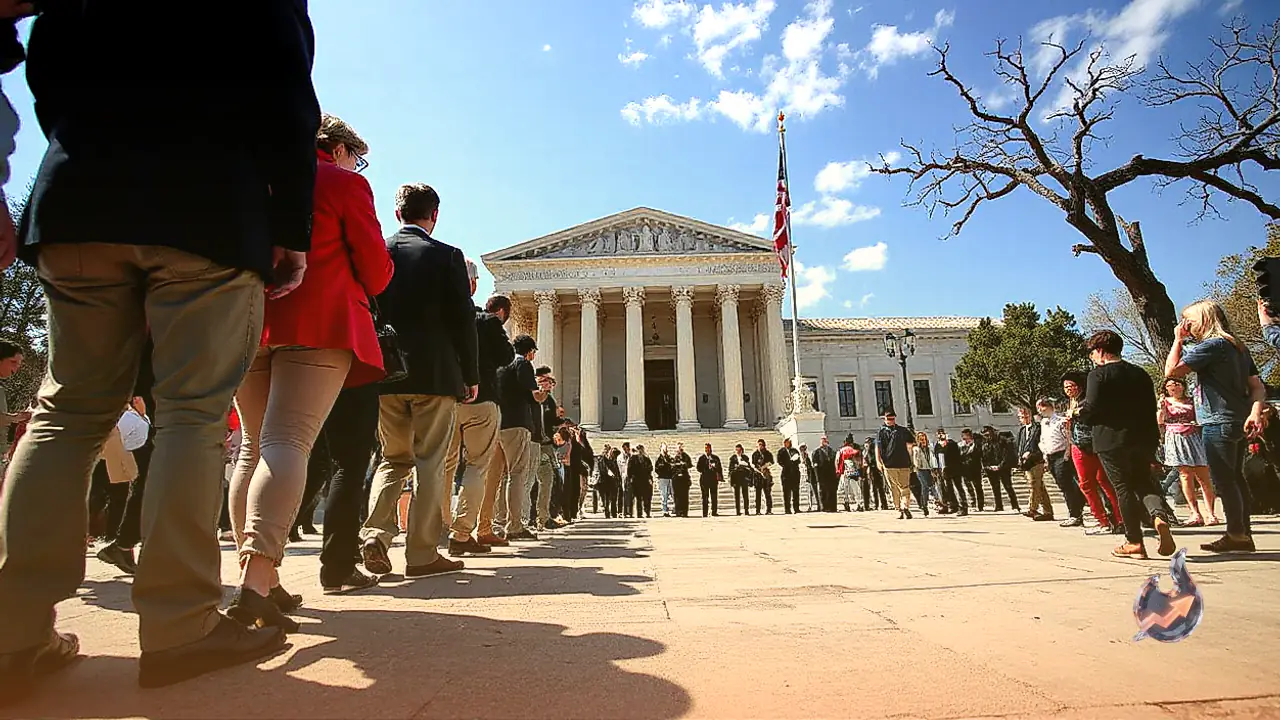






















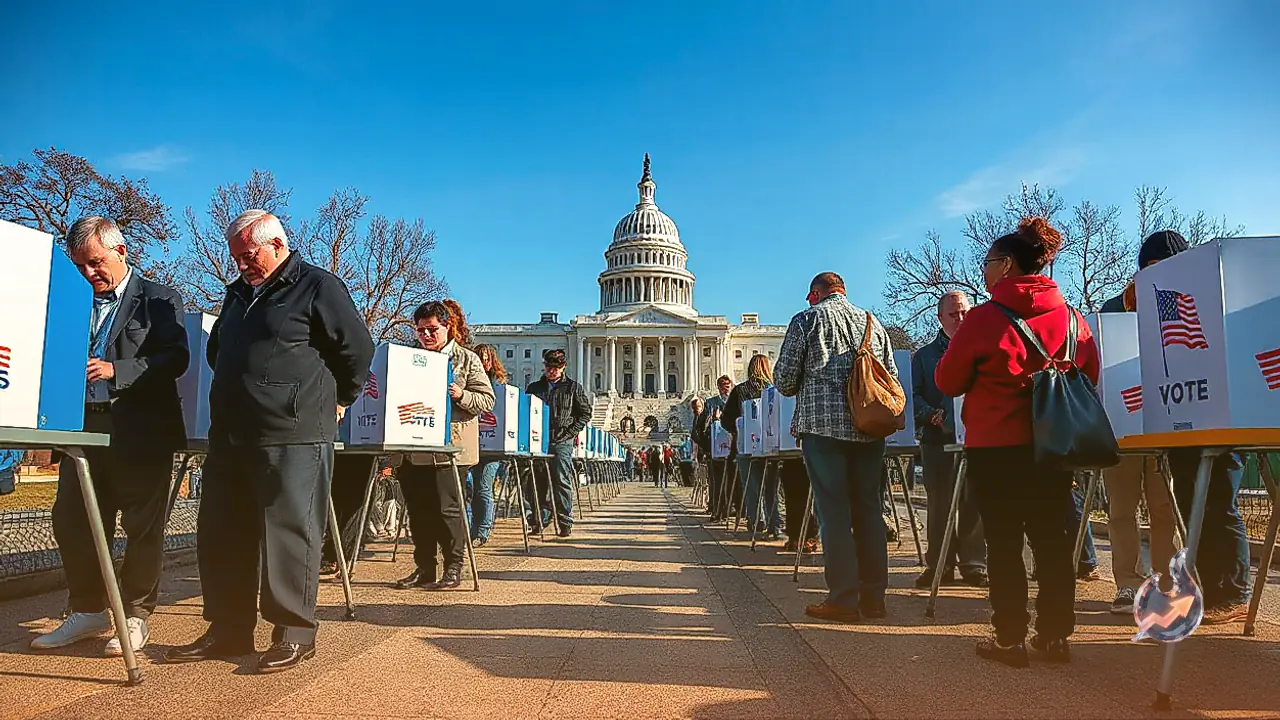

Voters across the United States headed to the ballot boxes on Tuesday, November 3, as polling officially opened for the high-stakes midterm elections. Millions of American citizens are participating in an electoral exercise that holds the potential to significantly alter the balance of power in Washington. The final results will serve as a critical test for the direction of President Donald Trump's second term in the White House. While lines formed at polling precincts early in the morning, more than 58 million people had already cast their ballots ahead of time, either by appearing in person during early voting periods or by submitting mail-in ballots.
Polls Open Staggered by Time Zones Across the Nation
Due to the vast span of the country's time zones, polling places began operating at different hours across various regions. Voters in New York, Connecticut, New Jersey, Virginia, as well as portions of Indiana and Kentucky, saw polling locations open at 6:00 a.m. local time (11:00 GMT). In other parts of the country, stations are scheduled to welcome voters according to their respective local schedules. Election administrators have deployed resources to ensure operations remain orderly as citizens cast their votes throughout the day.
Federal Judge Halts Distribution of Disputed Voter Lists
Just as voters began arriving at precincts, a critical ruling emerged from the federal judiciary regarding election administration. A federal judge ruled that the Trump administration must cease sending lists of purported noncitizen voters to election officials, a practice previously carried out in states such as California and Washington. Furthermore, the court instructed authorities in these states to segregate the ballots associated with those lists while administrative reviews proceed.
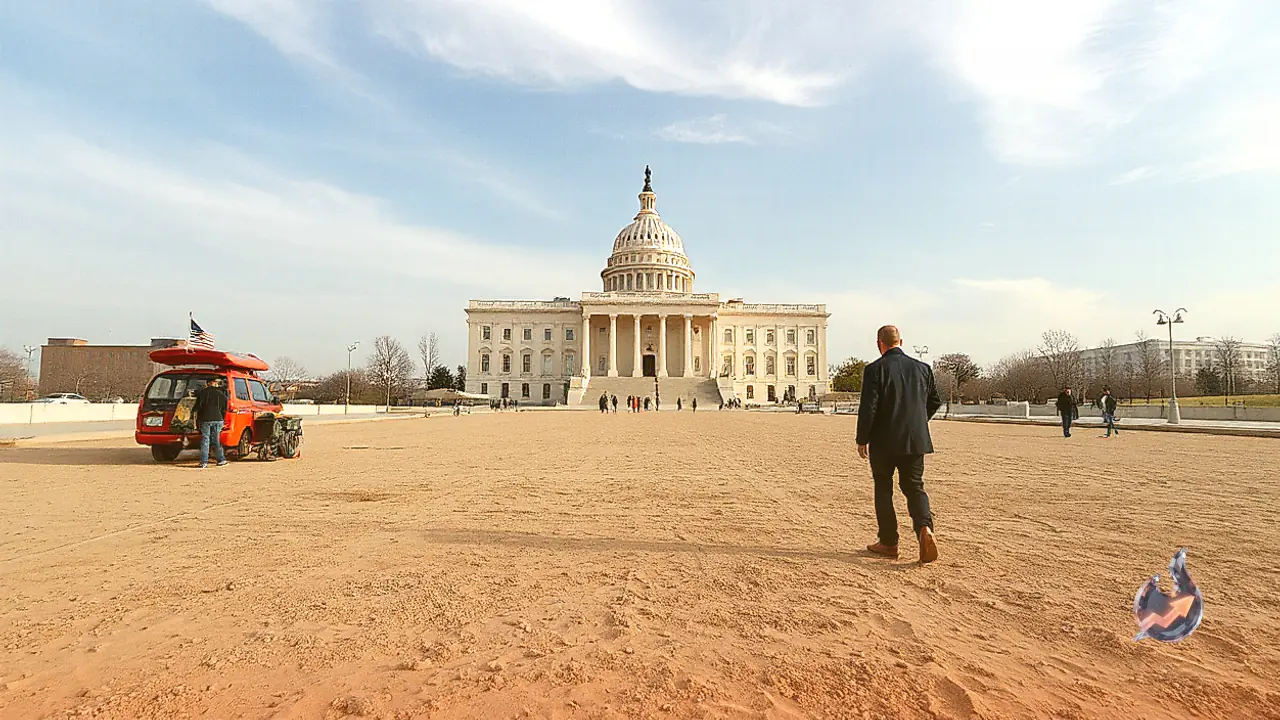
Judge Tanya Chutkan of the U.S. District Court in Washington, D.C., delivered the ruling late Monday evening. The decision emphasized that circulating additional voter records at this critical juncture risked causing widespread confusion among both electors and local election administrators. The judge noted that administrative resources should remain dedicated entirely to the orderly conduct of the midterm voting process rather than managing disputed data transfers.
Senate Hopefuls Deliver Final Outreach to Constituents
Candidates running in closely watched Senate contests made their final bids to mobilize voters on election day. Democratic candidate Sherrod Brown from Ohio turned to X to encourage people to turn out and make their voices heard at polling booths. Similarly, Republican Susan Collins urged citizens to prioritize voting, asking supporters to reach out to acquaintances, relatives, and neighbors to ensure a high turnout. Campaign messages emphasized that participation in the democratic process ultimately hinges on personal initiative and community involvement.
Record Spending and the Anticipated Vote Count
This election cycle has shattered financial records, according to estimates compiled by political money tracking organization OpenSecrets. Total expenditures for this year's midterms are projected to reach $11.93 billion, marking this as the costliest election in American history. As polling places operate, public surveys indicate the Democratic party holds an advantage in the wider contest. Meanwhile, sharp political rhetoric has persisted, with the American president directing sustained criticism at Abdul El-Sayed, the Democratic candidate running for the Senate in Michigan. While initial tallies are expected to begin rolling in this evening, finalized results in multiple states may remain undetermined until Wednesday or later.