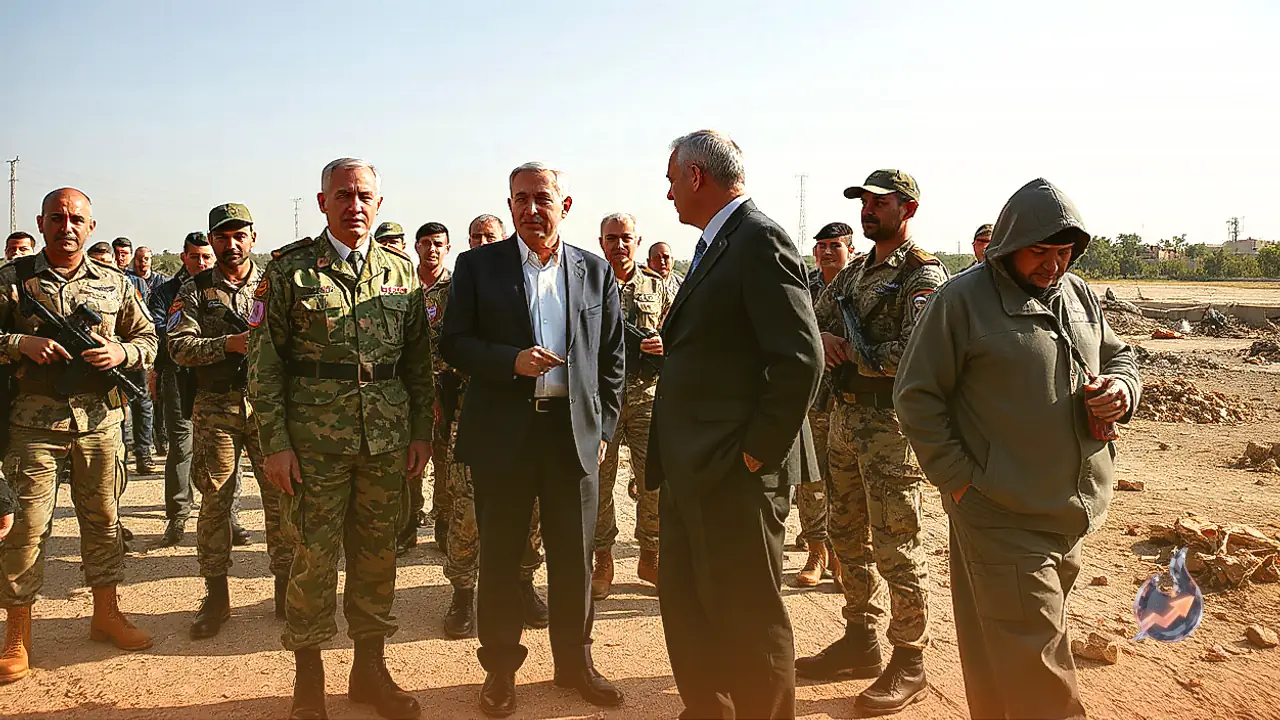




















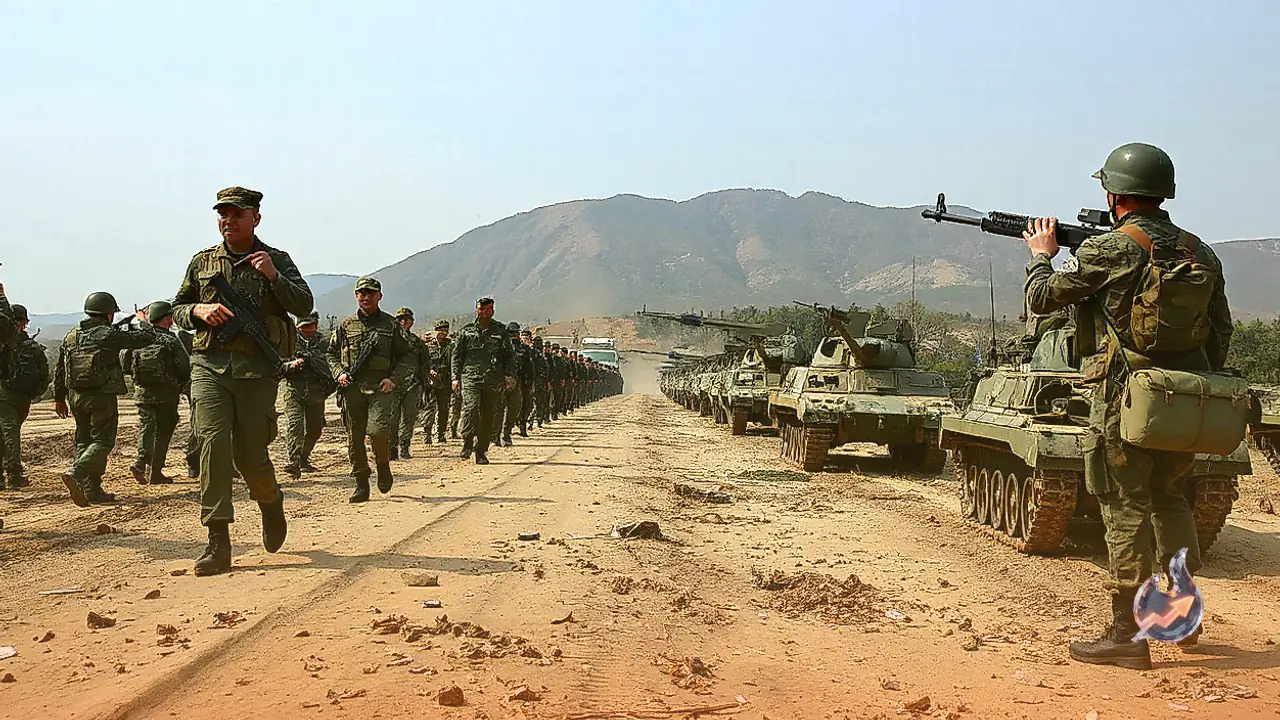

Escalating geopolitical friction and the prospect of multi-front conflicts have forced defense planners to confront grim operational realities unseen in modern combat doctrine. Moving past decades of low-intensity counterinsurgency deployments, military engineering units recently completed field drills focused on excavating mass temporary trench graves. Coordinated by third core sustainment and engineering teams, the exercise reflects an operational shift toward preparing for massive initial casualties during potential clashes with peer adversaries.
A Strategic Pivot Seven Decades After the Korean War
During the Korean conflict, combat fatalities reached levels that overwhelmed routine evacuation channels, forcing forces to establish field burials. By contrast, subsequent deployments in Iraq and Afghanistan saw manageable casualty numbers and undisputed airspace superiority. Transport aircraft could readily airlift fallen service members back home within hours. That logistic luxury vanishes entirely if hostilities ignite against peer or near-peer nations like China, Russia, or Iran. In such high-end scenarios, contested airspace, damaged runways, and transport shortages would render immediate repatriation impossible, leaving military engineers with the difficult duty of handling thousands of fallen personnel directly on foreign soil.
Capacity to Handle Twenty-Four Hundred Remains in a Single Day
During the live-equipment field exercise, engineering squads deployed heavy bulldozers and specialized earthmovers to carve out deep, continuous trenches. Drill supervisors utilized simulated skeletons and weighted water canisters to replicate authentic weights and spatial dimensions. Data gathered from the continuous operations demonstrated that a single engineering company could prepare temporary resting trenches for 2,400 personnel within a twenty-four-hour window. This operational rate corresponds to burying approximately one hundred casualties every sixty minutes under strict sanitization and tracking guidelines. Furthermore, for the first time in over twenty years, military chaplains underwent dedicated field training to consecrate ground and conduct field religious rites under active operational constraints.
Revising Outdated Trench Spacing and Heavy Equipment Manuals
The field simulation exposed crucial mechanical bottlenecks inside outdated tactical handbooks. Historical manuals stipulated a spacing of only 7 feet between trench burial rows. While adequate for infantry shovels in earlier eras, the distance proved far too narrow for modern heavy bulldozers and excavators to maneuver safely without risking cave-ins. Following the operational findings, planners are rewriting technical guidelines to expand operational intervals, ensuring contemporary construction equipment can navigate between trenches without impediment.
Sgt. 1st Class Delbert Ruede noted that entering modern battlefield operations without this dedicated instruction would have left troops completely guessing in the dark.
Health Protection, Dignity, and Long-Term Repatriation
Leaving deceased soldiers exposed on modern battlegrounds presents severe sanitation risks, chemical contamination hazards, and public health threats. The primary operational objective of the tactical burial procedure is preventing disease while meticulously documenting forensic tags and burial plots. By recording precise location coordinates and personal markers, authorities ensure that once active hostilities subside, every fallen soldier can be safely disinterred and returned to grieving families back home. The broader modernization plan continues into 2027, when specialized units will initiate follow-up drills dedicated to advanced trauma infrastructure and temporary mortuary storage facilities.