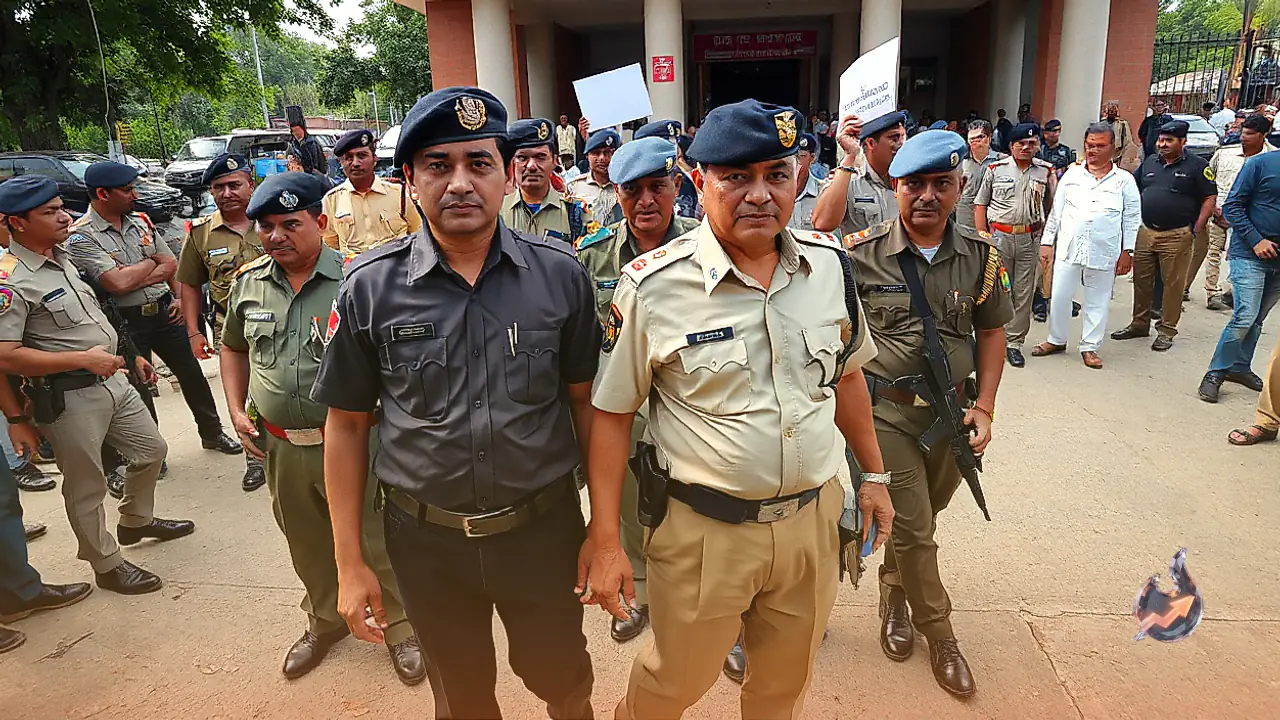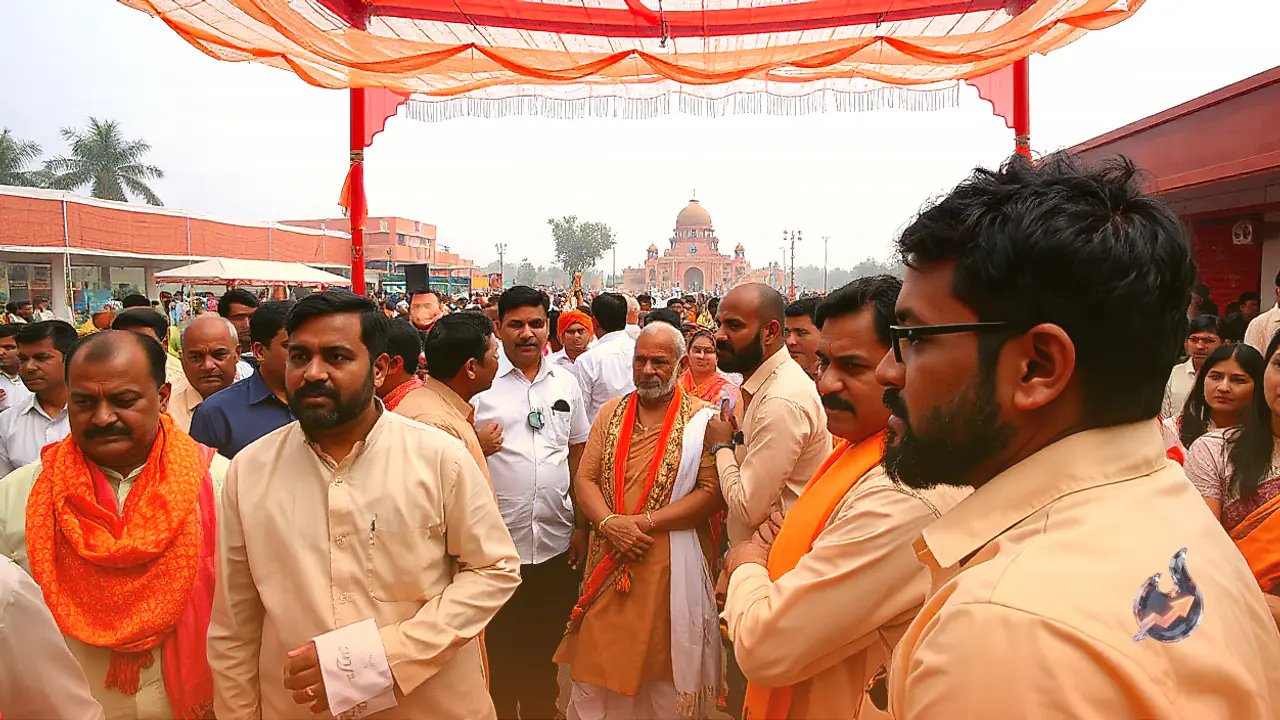


















Political friction has intensified significantly following a massive demonstration staged by the opposition INDIA bloc at Delhi's historic Ramlila Maidan against the Chief Election Commissioner (CEC) and alleged voter list manipulations. Addressing the massive turnout, senior advocate and Rajya Sabha MP Kapil Sibal targeted the ruling party and the central administration, raising serious questions about electoral fairness, corporate funding, and the handling of civic demonstrations.
Eyewitness Account from the Ramlila Maidan Gathering
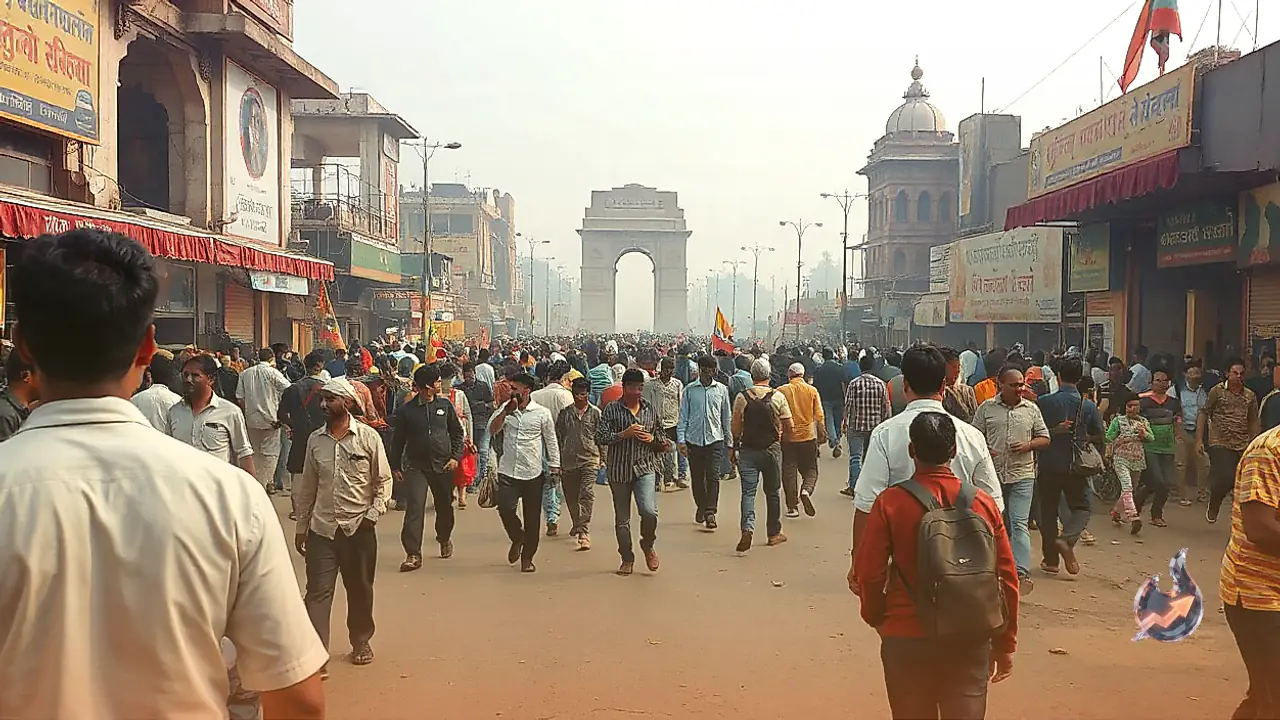
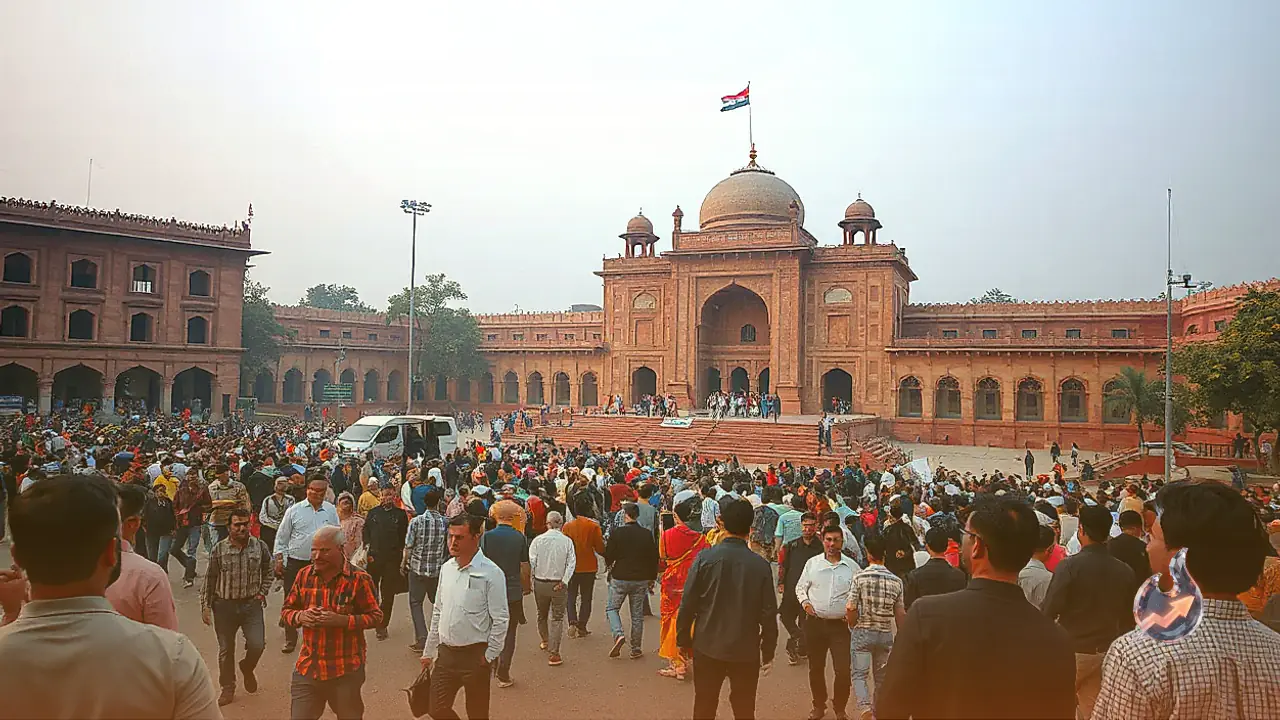
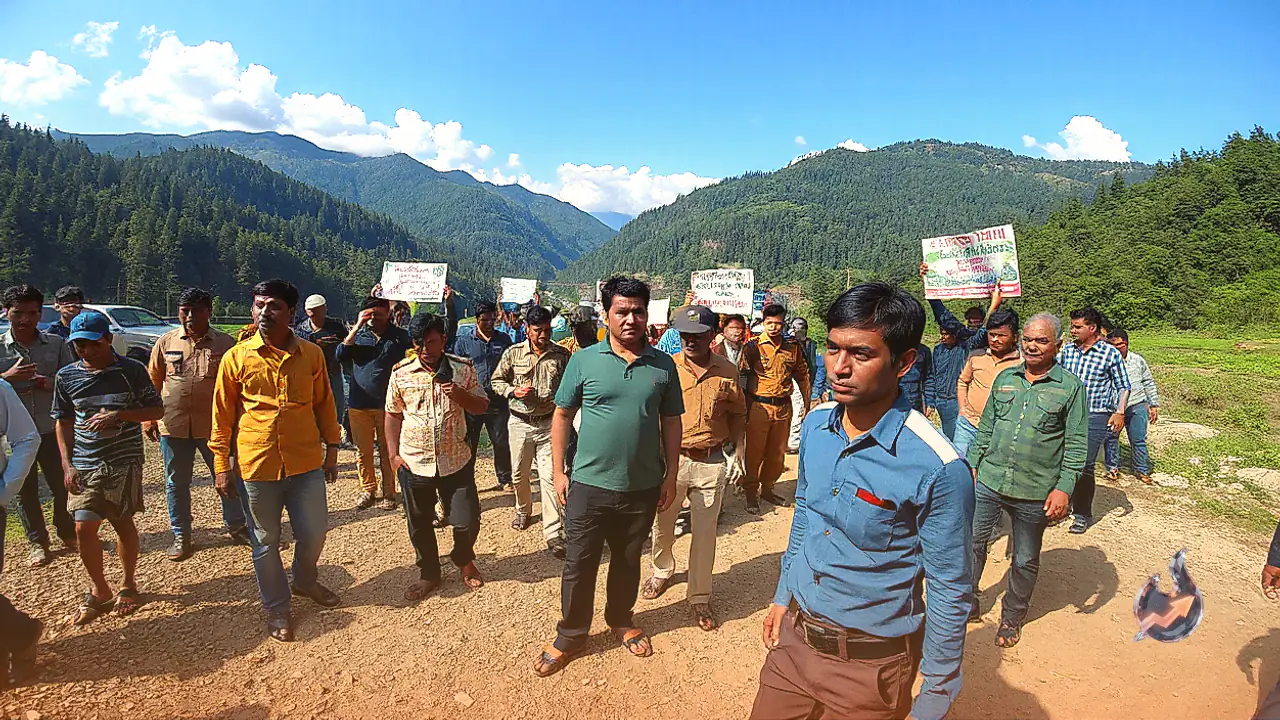
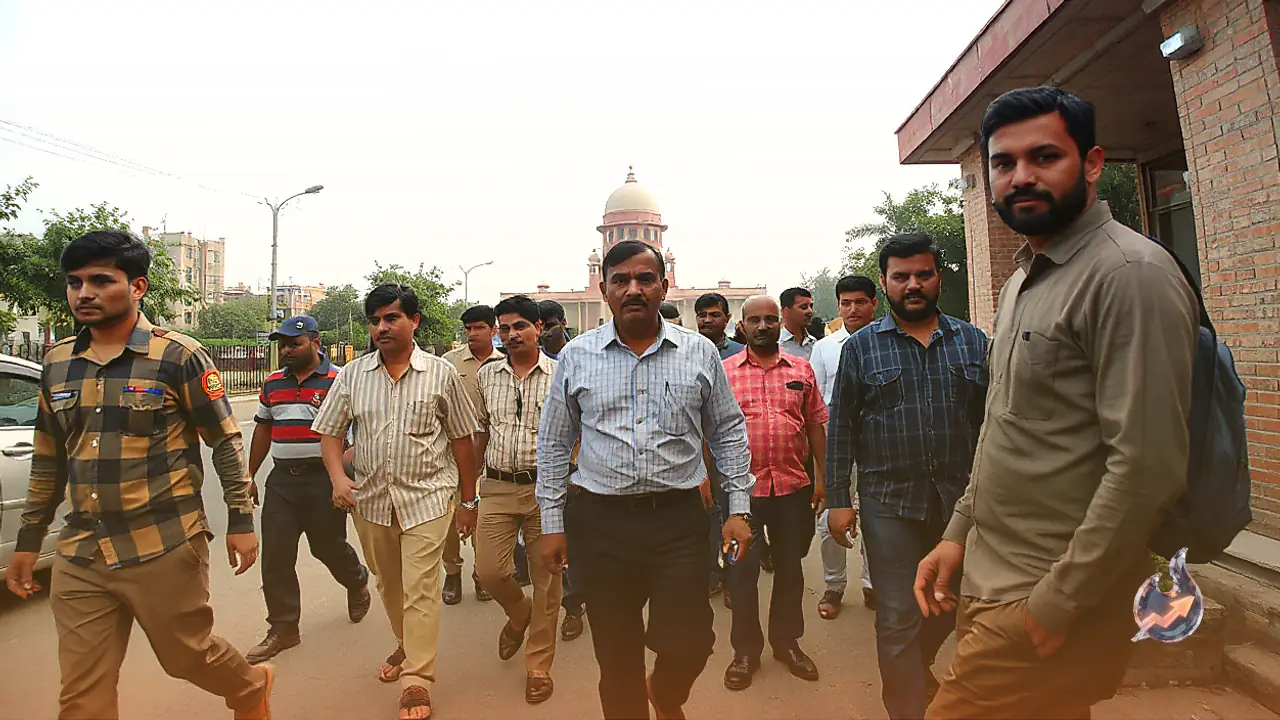
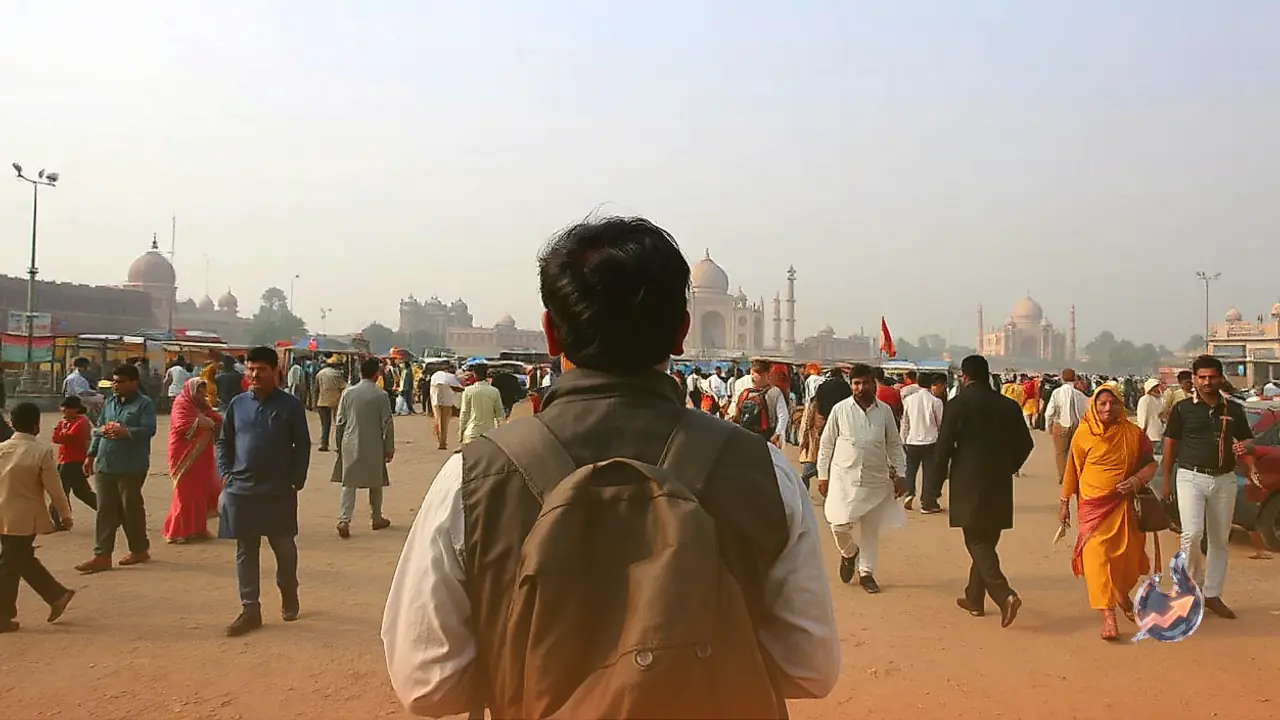
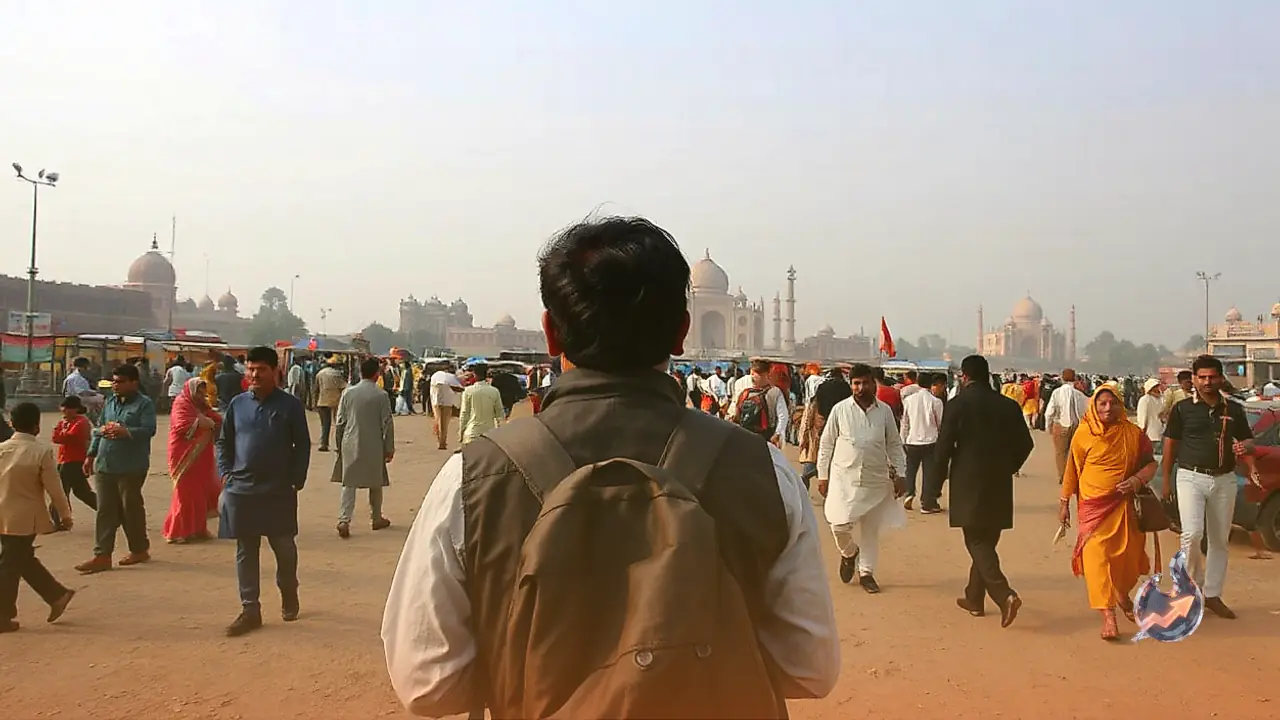
Recounting his firsthand experience of the demonstration, Sibal noted that he witnessed the immense gathering in and around Ramlila Maidan while traveling there by bus. Navigating the heavy flow of citizens took almost an hour to an hour and a half just to arrive at the venue. Upon arrival, the surrounding premises had barricades in place because virtually every inch of the grounds was tightly filled with attendees.
Sibal stated that an estimated 500,000 to 600,000 citizens gathered at the site in support of safeguarding democratic norms and the Constitution. Crucially, he emphasized the orderly nature of the massive congregation, observing that despite the extraordinary density of people, the entire demonstration remained completely peaceful, with no reports of disruptive or unruly incidents from any quarter.
Contrasting Demonstrations and Questions on Past Protest Violence
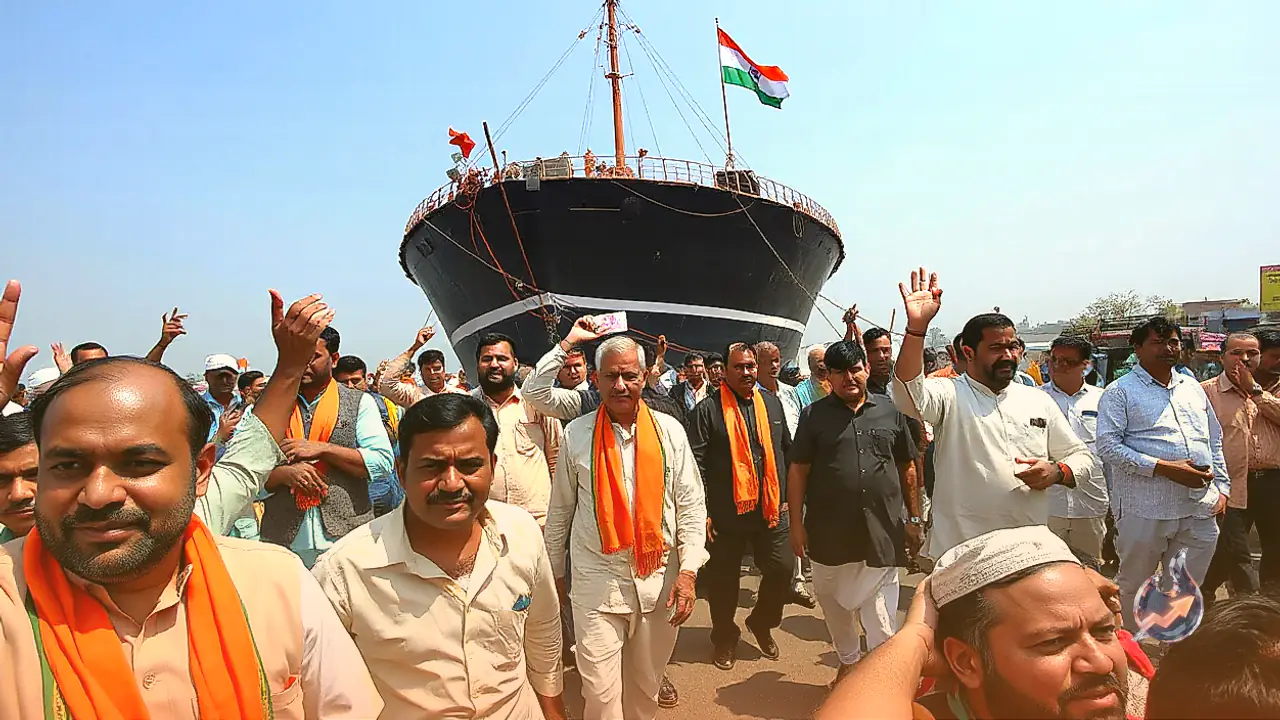
Drawing a sharp contrast with counter-mobilization efforts, Sibal remarked on the stark difference in public participation. While hundreds of thousands assembled at Ramlila Maidan, the national president of the BJP could gather merely 100 to 200 participants for his 'Save Democracy' foot march. Sibal cited this divergence to question the true extent of public endorsement enjoyed by the ruling establishment.
Sibal also revisited the recent unrest that occurred during youth demonstrations at Jantar Mantar, questioning why disorder emerged there. He argued that if half a million people could assemble and protest peacefully at Ramlila Maidan without a single disturbance, it raises fundamental doubts about why unrest broke out the moment young citizens raised their voices at Jantar Mantar. Sibal alleged that the violence was state-sponsored, describing it as an established political tactic to instigate disruption and subsequently shift the blame onto innocent youth.
The Tradition of Non-Violent Civil Action
Placing the current political confrontation in a broader perspective, Sibal remarked that India's historical trajectory has never mirrored the violent civil turmoil observed in nations like France, Spain, or Albania. Instead, the country holds an enduring record of non-violent, disciplined civic protests. He stressed that this constitutional struggle will persist steadily until the collective goals of the opposition alliance are realized.
Corporate Financing Shifts and Electoral Imbalance Since 2017
Sibal presented a detailed breakdown of what he characterized as a structural compromise of the voting mechanism. He traced the roots of this distortion to 2017, when amendments were made to financial legislation that removed the limits on corporate political contributions, permitting unlimited donations by corporate entities to political parties.
This framework was subsequently expanded in 2018 with the introduction of the electoral bonds scheme. According to Sibal, this mechanism enabled the BJP to secure over 6,000 crore rupees in corporate funding. He argued that this extreme concentration of financial capital created a severe imbalance on the electoral playing field, fundamentally undermining fair electoral competition. The stance outlined by Sibal underscores the legal and political agenda the opposition intends to pursue in challenging electoral structures and institutional accountability.