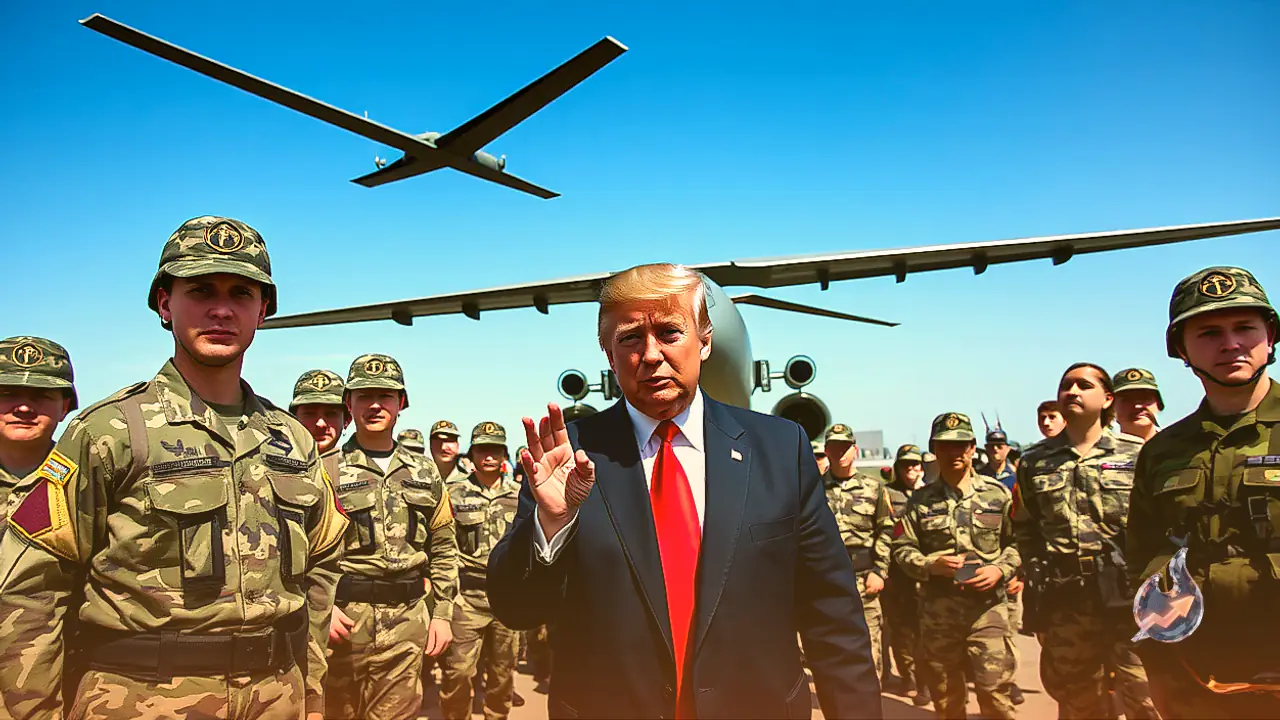























The military confrontation initiated by strikes from the United States and Israel against Iranian targets has shown no signs of abating, dragging on for months and inflicting severe turmoil across international markets. The persistent escalation has triggered a sweeping global energy crisis that is currently squeezing economies across Asia and Europe. Although President Donald Trump had stated that the war would conclude in just a matter of days, developments on the ground have defied that forecast as combat operations continue unabated.
Targeting of Military Bases and Air Defenses
The confrontation has rapidly spread across key strategic hubs in the Gulf. Heavy Iranian attacks have struck American military facilities in Qatar, Kuwait, and Bahrain, causing major operational disruptions across the theater. In response, United States military forces launched targeted strikes against Iranian drone and missile sites, severely undermining diplomatic efforts and dimming the outlook for any impending ceasefire agreement.
Naval Standoffs in Hormuz and Regional Escalation
Maritime security in the Strait of Hormuz has degraded following close encounters between opposing naval forces. Iranian forces fired warning missiles and alleged territorial intrusion when United States warships approached the strategic waterway. The maritime fallout has caused severe collateral harm, leading to the death of an Indian sailor and leaving 148 others stranded. Along land borders, violent clashes broke out between the Iranian Islamic Revolutionary Guard Corps and Kurdish factions equipped with American weapons, raising concerns over an expanding multi-front conflict.
Depleted Munitions and Infrastructure Threats
Protracted combat operations have introduced critical logistical challenges for all involved powers. The rapid tempo of interception and strikes has exposed the United States to potential risks of missile shortages. Concurrently, Iranian commercial aviation faces sweeping penalties as American authorities prepare enforcement measures against any entity assisting Iranian airlines. The ongoing missile exchanges have also threatened vital civilian infrastructure, placing utilities such as water supplies in Kuwait at elevated risk.