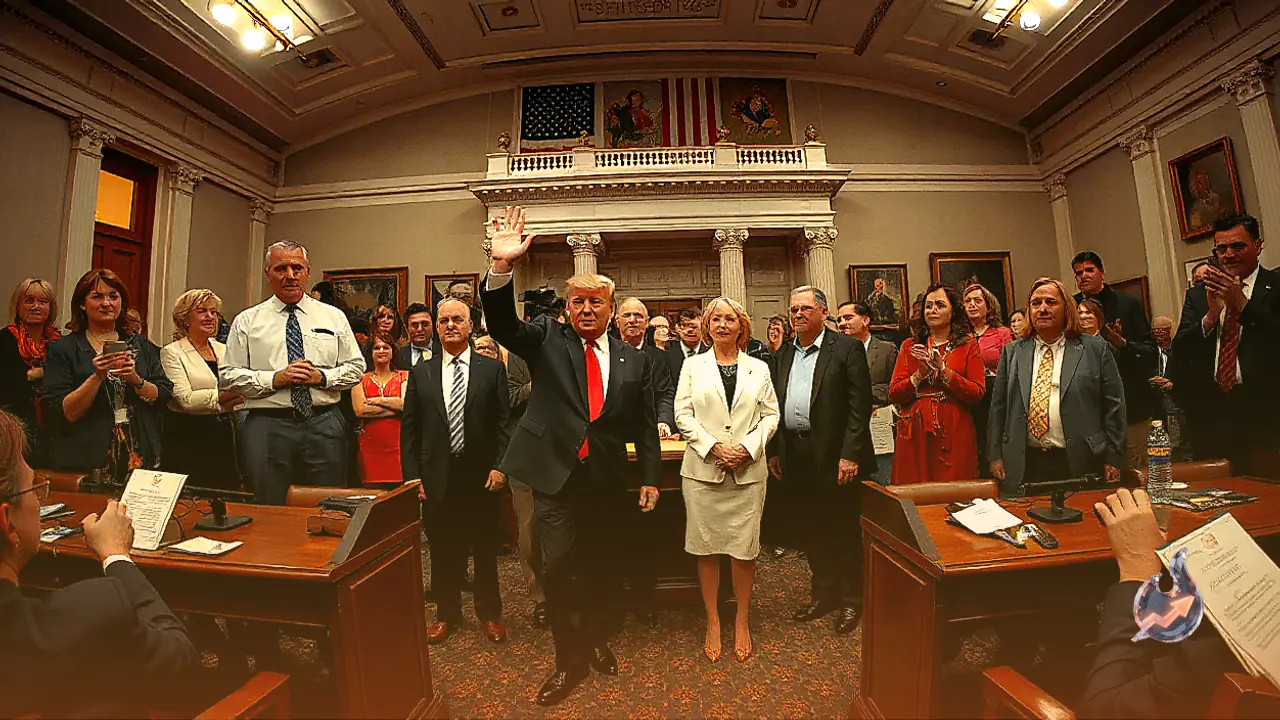


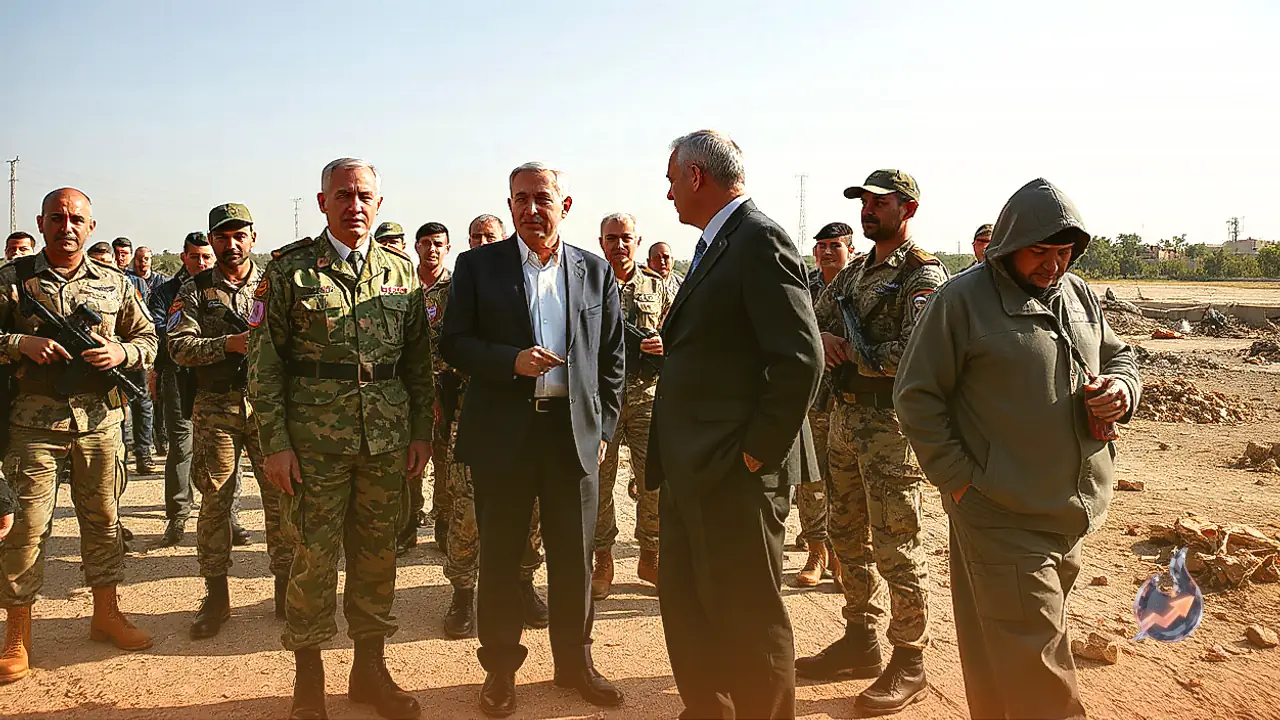
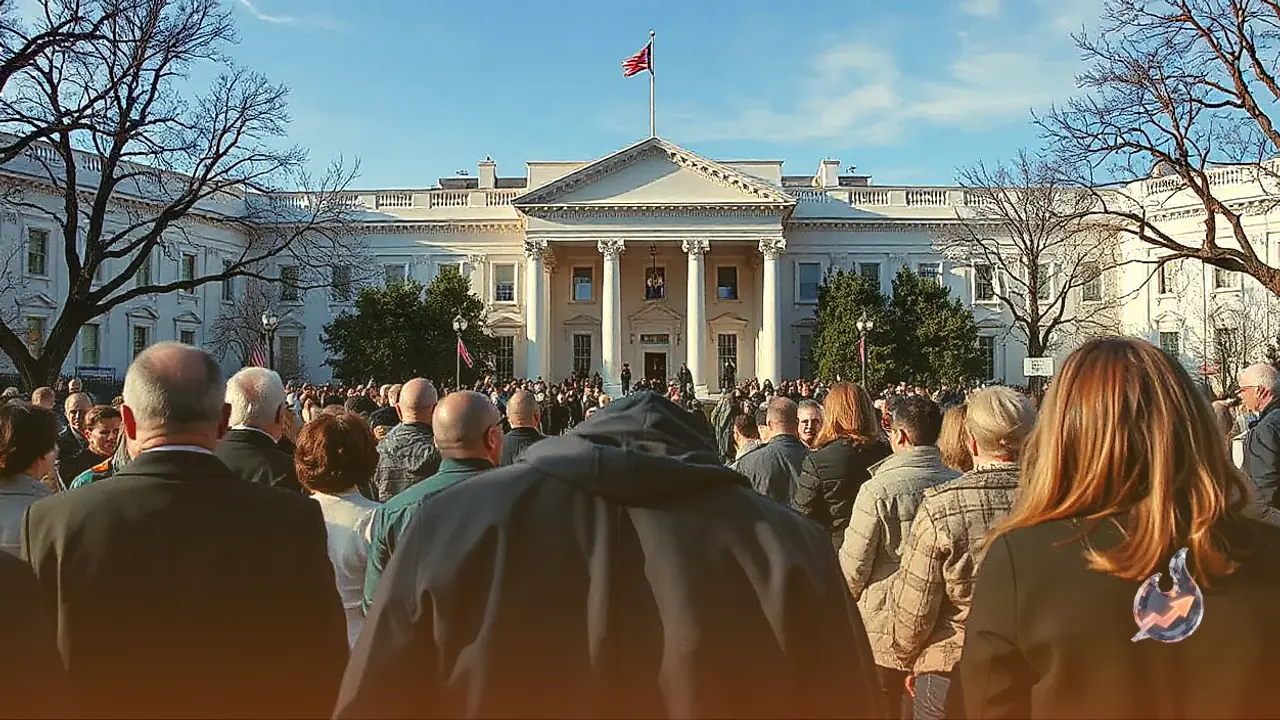
















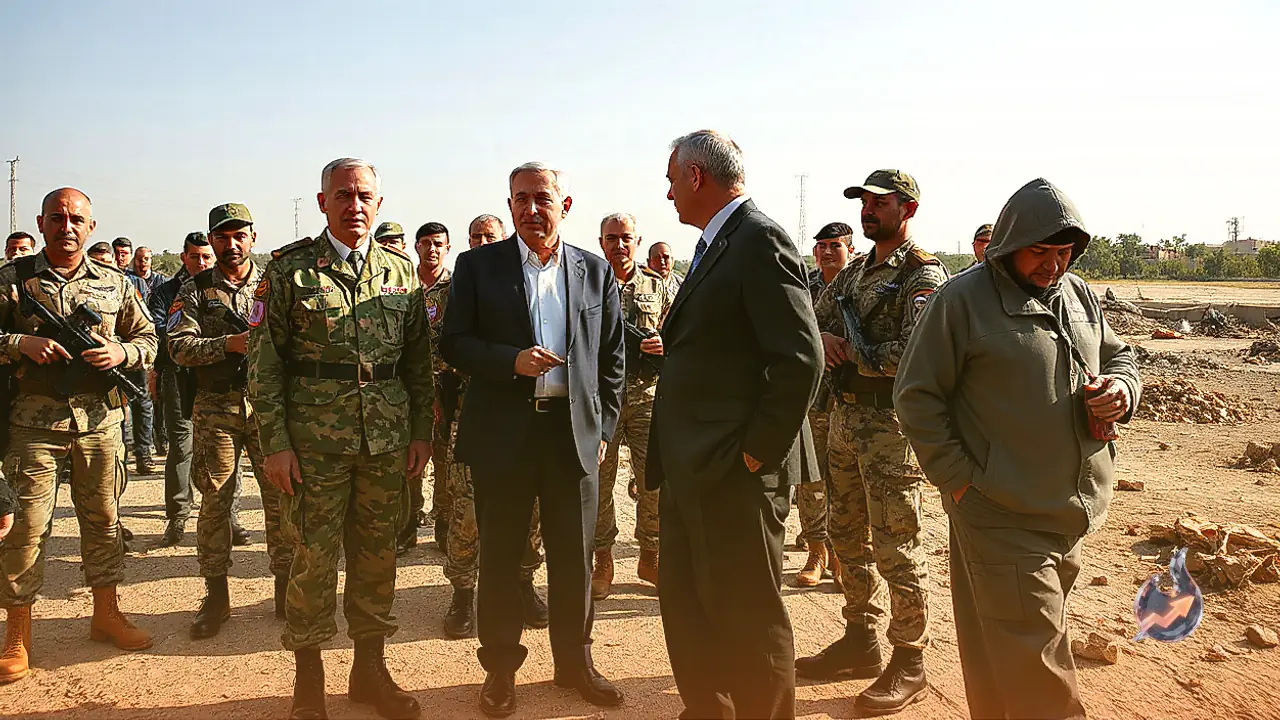

A critical divergence in strategic approaches between Washington and Jerusalem emerged during direct talks concerning the Middle East security landscape. On October 31, President Donald Trump and Israeli Prime Minister Benjamin Netanyahu held a pivotal telephone conference focused on ongoing diplomatic exchanges with Tehran and the future course of allied policy toward the Islamic Republic.
The Israeli leader strongly favors resuming direct military strikes against Iranian targets immediately following the November 3 midterm elections. Officials in Jerusalem remain deeply concerned that the ongoing dialogue between Washington and Tehran could yield an accord that fails to address Israel's fundamental security priorities. In contrast, Trump is currently inclined to give diplomacy an opportunity to progress without Israeli disruption to the ongoing negotiations. However, the American posture could quickly pivot should these talks collapse. Neither the White House nor the Israeli prime minister's office offered public comments on the high-level exchange.
Simultaneous Diplomatic Overtures and Strike Planning
The current White House approach rests on running parallel tracks of engagement and deterrent force. While exploring terms for an agreement with Tehran, Trump has refrained from taking military force off the table. A comparable blend of diplomatic engagement and active military posturing previously preceded Operation Midnight Hammer in June 2025 and Operation Fierce Fury this past February.
Underscoring the serious push for talks, US Vice President JD Vance sent an official letter last week to Mohsen Rezaei, a senior figure on Iran's National Security Council. The communication emphasized the prospect of restarting formal bilateral negotiations, representing the highest-ranking American diplomatic message directed to Tehran in several months.
Trump Highlights Lingering Concerns Over Nuclear Sites
Addressing the press on October 31, Trump expressed measured satisfaction regarding the trajectory of bilateral talks, stating that he is in no rush to conclude an agreement. While indicating that Tehran appears interested in reaching terms, he voiced skepticism regarding Iranian reliability based on past precedents of backtracking on commitments.
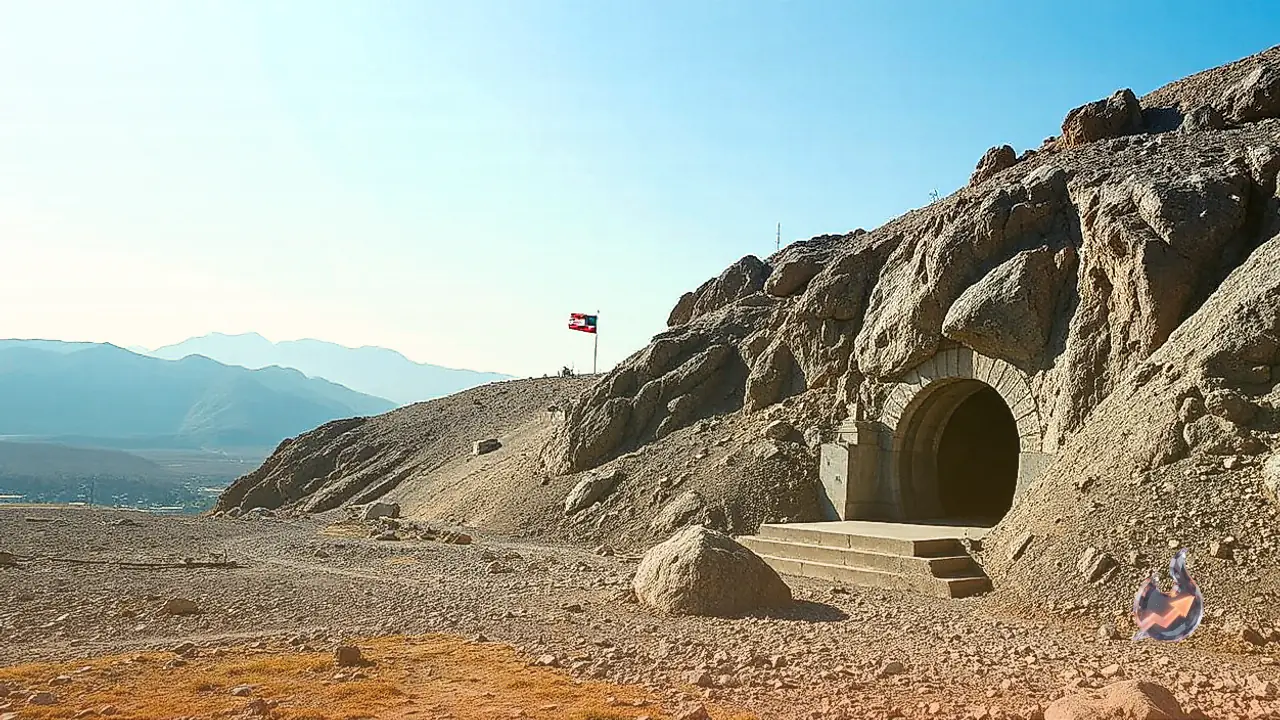
Trump pointedly noted that unresolved issues persist regarding one or two specific Iranian nuclear facilities. Pointing to heavily fortified underground sites carved into mountainsides, he asserted that American forces possess ready targeting plans and retain the capability to execute precision strikes on extremely short notice if required.
Qatari Mediation and Tehran's Cautious Stance
Concurrently, Qatari mediators engaged in intensive discussions with high-ranking Iranian officials for a third consecutive day. Doha is striving to broker direct bilateral negotiations between Washington and Tehran, aiming to lock down an agreement before the midterm elections conclude and reduce the threat of post-vote military escalation.
Iranian Foreign Minister Abbas Araghchi confirmed that no definitive deal has been reached between the two nations. He emphasized that the direction of future talks will hinge entirely on how Washington responds to Tehran's specific concerns. Araghchi stated that Iran is actively working toward a diplomatic resolution and expressed hope that the United States would prioritize negotiations over armed confrontation, even as deep disagreements over nuclear infrastructure and military deterrence remain unresolved.