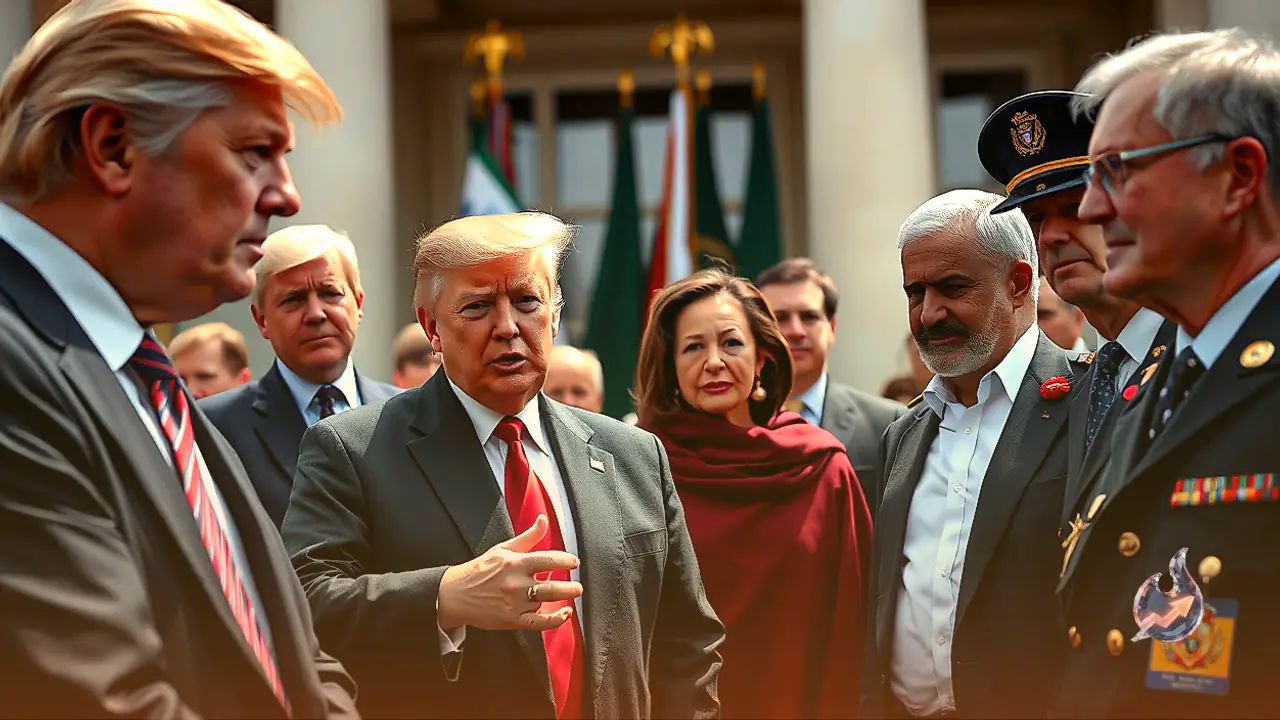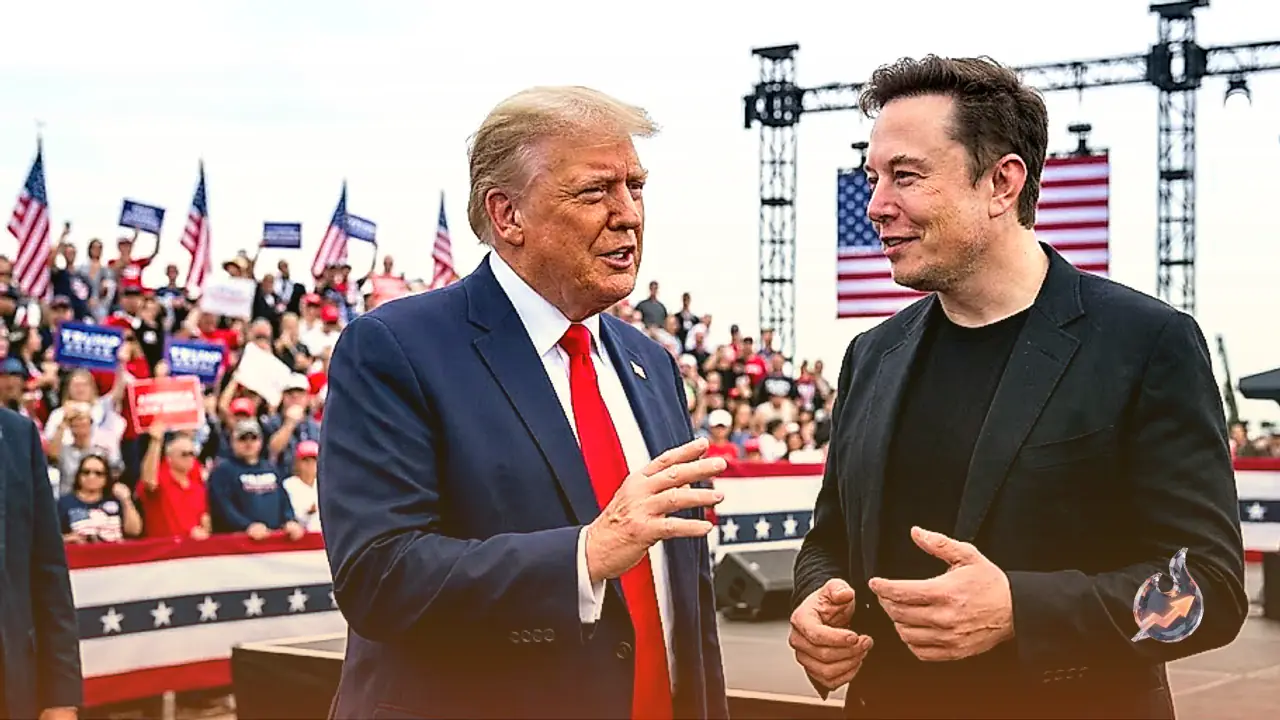






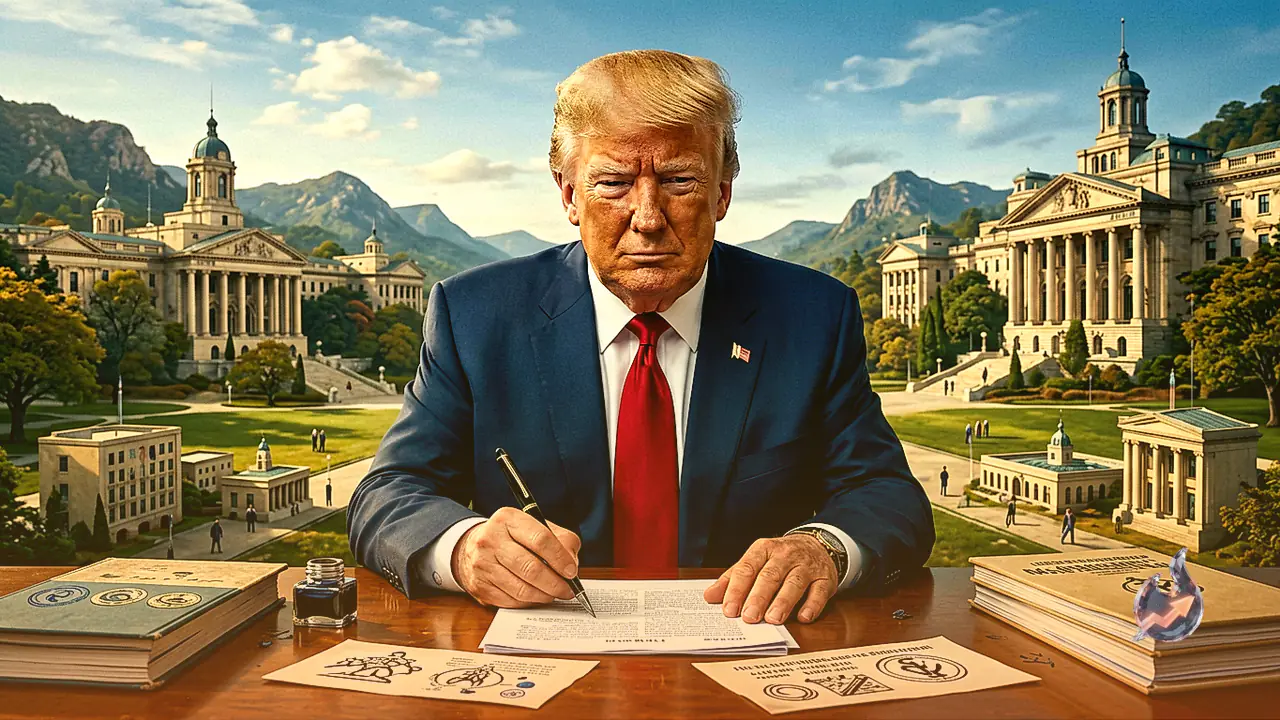

The US administration under Donald Trump has paused and rescheduled visa interview appointments across American embassies and consulates worldwide. According to the US Department of State, this global disruption stems from the implementation of a new training program for diplomatic staff at overseas posts. The decision directly impacts numerous foreign nationals currently awaiting their scheduled visa interviews.
Implementation of Global Training Program
The Department of State explained that visa service appointments are being adjusted to facilitate a comprehensive training initiative across all diplomatic missions. Official statements indicate that no specific timeframe has been established for how long these operational changes will remain in effect. Applicants are being notified that updated appointment details will be provided at a later stage.
Stricter Evaluation of Visa Applicants
The primary objective of this mandatory training is to assist consular officers in identifying applicants who might eventually become dependent on US government assistance or public resources. By introducing standardized protocols, the administration aims to ensure that visa evaluations are conducted in a thorough, rigorous, and uniform manner across all global posts.
Applicants Receiving Rescheduling Notifications
Individuals who had previously secured appointments for immigrant visa interviews at US embassies and consulates are currently receiving official email communications. These notices inform applicants that their scheduled interview dates have been changed and that instructions regarding new interview slots will be communicated in due course. This has left many prospective immigrants facing unexpected delays in their travel and relocation plans.
Broader Immigration Tightening Drive
This measure aligns with a larger, aggressive policy push by Donald Trump focusing on immigration enforcement and deportation procedures. The strategy encompasses tighter scrutiny of applications, the revocation of existing visas and green cards, and an increased rate of application rejections under various regulatory grounds.