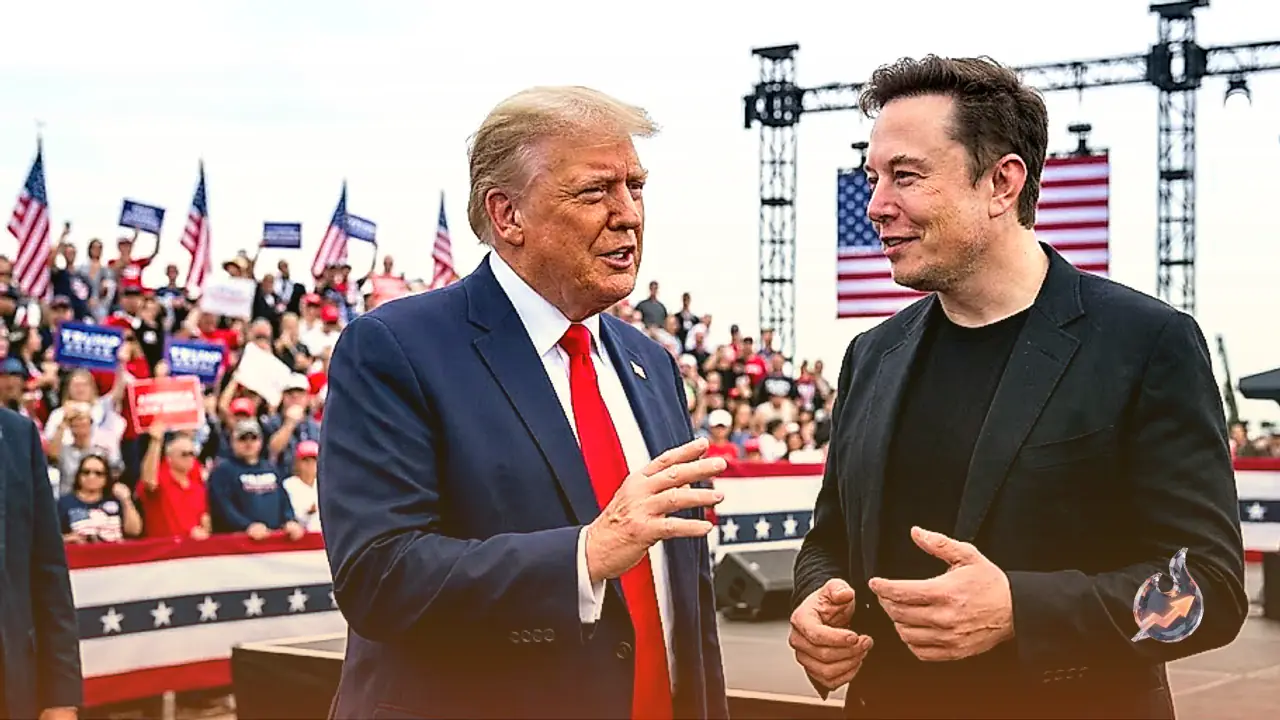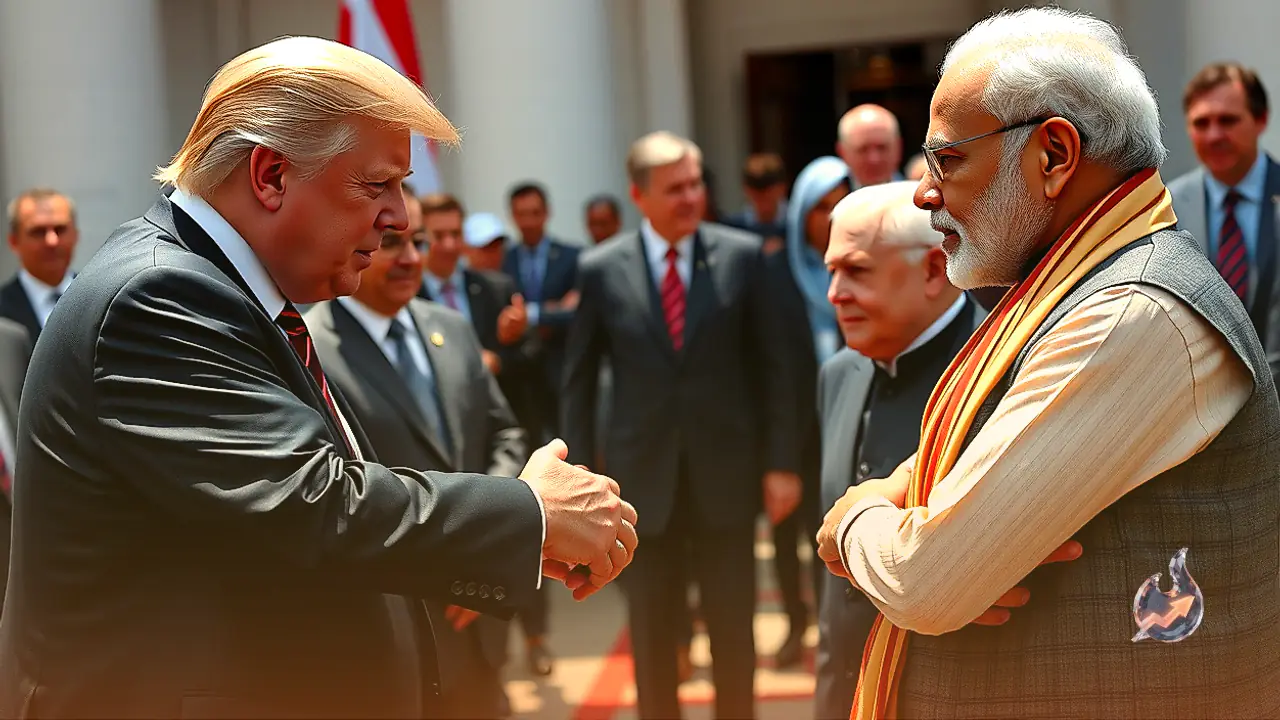























A sharp recalibration of American foreign policy has delivered a devastating dual setback to Ukraine, fundamentally altering the operational reality of the conflict. In an unexpected strategic reversal, Washington has chosen to negotiate directly with Moscow to secure energy shipments while simultaneously curbing the digital connectivity that powers Ukrainian tactical systems. The shift strips Kyiv of both critical battlefield communications and diplomatic certainty, leaving its armed forces severely constrained in their defense capabilities at an extraordinarily delicate moment in the prolonged war.
Frontline Terminal Disruptions Cripple Drone Operations
For months, the Ukrainian military relied extensively on satellite infrastructure deployed through Elon Musk's network to conduct coordinated warfare. That vital operational backbone has now suffered an extreme speed throttling, which effectively immobilized military-grade satellite terminals across critical combat sectors. These dedicated units do far more than facilitate communication, as they directly guide offensive drone sorties and feed positional data into interceptor platforms. The dramatic throttling has virtually neutralized Ukraine's capability to execute precision strikes against military targets inside Russian territory. Defensively, the situation is equally dire, as air defense crews can no longer reliably coordinate their radars to intercept incoming hostile loitering munitions, severely compromising territorial security.
Musk Defers Starshield Directives to the White House
Facing crippling disruptions in his armed forces' communications grid, President Volodymyr Zelensky directly challenged Elon Musk over the abrupt shutdown. Musk responded by clarifying that the operational curbs placed on Starshield, the specialized defense satellite variant developed by SpaceX, did not originate from corporate management. Instead, Musk noted that regulating this defense service falls squarely within the executive prerogative and jurisdiction of the US President. The response prompted furious condemnation from Kyiv, with Zelensky describing the withdrawal of critical coverage as an immense betrayal that directly imperils thousands of lives. In his assessment, disconnecting the communications grid while forces are engaged in high-intensity combat constitutes a catastrophic tactical blow designed to corner his administration.
Reversal on Russian Fuel Purchases and Tariff Policies
The diplomatic friction extends beyond satellite bandwidth into international energy trade. President Donald Trump announced that the United States would directly procure Russian oil supplies, marking an astonishing pivot from previous Western economic sanctions. For years, Washington maintained the strict doctrine that purchasing petroleum from Moscow equated to directly financing the military aggression against Ukraine. Countries such as India and China faced diplomatic rebukes and steep tariffs from the administration for maintaining trade relations with Russia. Now, the United States has itself joined the roster of Russian energy consumers, drawing sharp criticism over the sudden dismantling of economic pressure campaigns.
Lethal Strikes Follow Fuel Deals Alongside Leadership Pressure
The practical consequences of the commercial pact emerged almost immediately on the ground. Shortly after the diesel supply agreements were concluded, heavy Russian aerial barrages struck Ukrainian population centers, resulting in the reported deaths of 20 people. This intensified campaign highlights the deteriorating defensive perimeter caused by crippled satellite coordination. Compounding the pressure on Kyiv, Trump openly asserted that Ukraine should hold elections to choose a new head of state, launching a direct political challenge against Zelensky. Caught between degrading frontline technology, renewed aerial devastation, and pressure from its primary benefactor, Ukraine now finds itself navigating its deepest crisis of the entire conflict.