





















Diplomatic efforts are intensifying across the Middle East to avert a renewed military conflict between the United States and Iran. In a concerted push to de-escalate tensions, key member nations of the Mecca Pact have gathered in the Iranian capital of Tehran for high-level talks. The diplomatic outreach aims to address the rising wave of missile and drone attacks by Yemen's Houthi movement against Saudi Arabia, as well as to prevent a wider regional war that threatens economic stability and security across the Gulf.
High-Level Delegation Gathers in Tehran
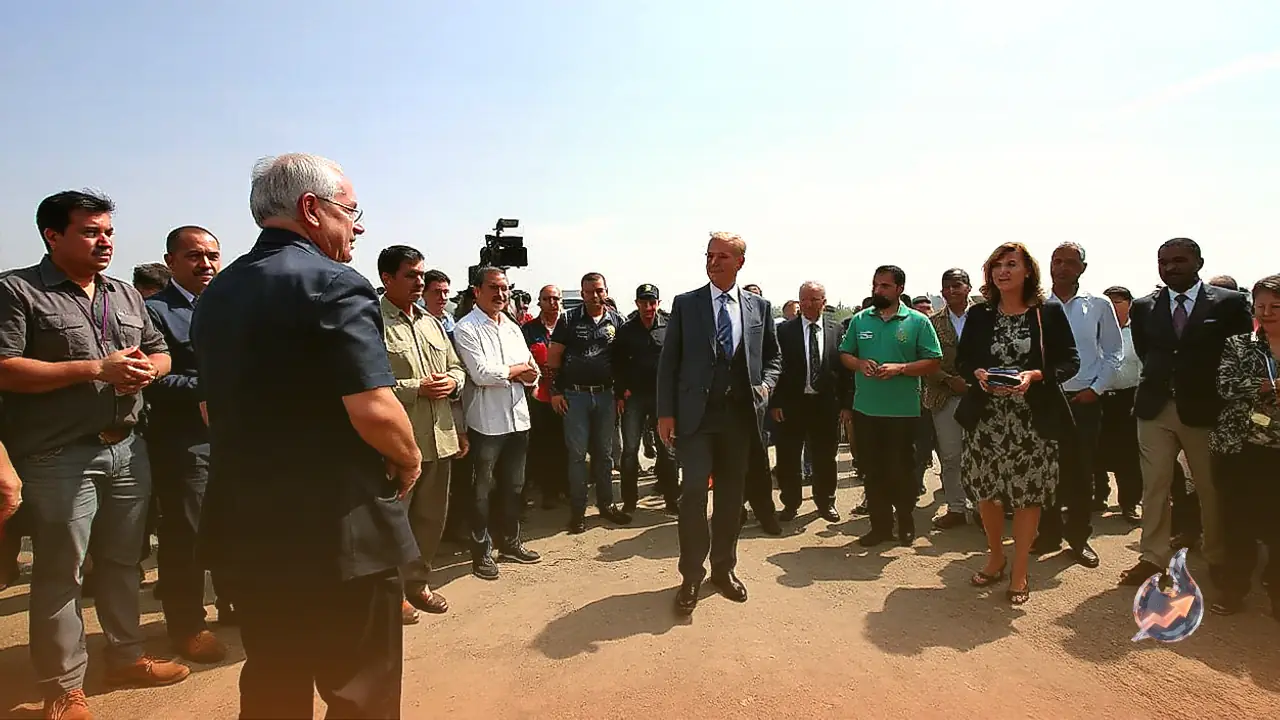
The crucial meeting in Tehran brings together senior representatives from the three main countries behind the Mecca Pact. The delegation includes Saudi Arabia's Defense Minister Prince Khalid bin Salman, Pakistan's military chief Field Marshal Asim Munir, and Turkey's intelligence chief Ibrahim Kalin. These officials are scheduled to hold discussions with Iran's Supreme National Security Council regarding regional security. The urgent push for talks is primarily driven by relentless Houthi strikes targeting Saudi oil infrastructure, which pose a severe long-term threat to the kingdom's economy.
First Major Test for the Mecca Pact
This diplomatic engagement marks the first time that representatives from all three member states of the Mecca Pact are jointly negotiating with Iran at this level. Formed in August, the mutual defense agreement dictates that an armed attack against any single member will be treated as an aggression against the entire alliance. Earlier this month, ministers from the pact held an emergency meeting in Riyadh to accelerate the deployment of military forces and capabilities within Saudi Arabia. While Pakistan approved the pact last week, ratification by the Turkish parliament is still pending.
Behind-the-Scenes Mediation Efforts
According to regional officials, the initiative for the Tehran meeting was spearheaded by Pakistan, whose military chief visited the Iranian capital last week to meet with Iranian President Masoud Pezeshkian and other top leaders. Iranian media reported that during those prior discussions, Tehran maintained that talks with the United States would remain off the table until its core demands are met. Earlier in June, a temporary truce was brokered with the mediation of Pakistan and Qatar, but it collapsed within weeks as hostilities resumed between Washington and Tehran. Qatari mediators have also maintained independent diplomatic contacts, meeting with Iranian officials in Tehran.
Escalating Houthi Attacks Raise Stakes for Riyadh
The role of Yemen's Houthi fighters remains a central friction point in the ongoing crisis. Saudi Arabia recently reported intercepting multiple incoming missile and drone attacks. These strikes amplify the regional instability stemming from ongoing US and Israeli actions against Iran, placing intense pressure on American regional allies like Saudi Arabia. Riyadh's Deputy Minister of Public Diplomacy, Raed Krimly, noted that the delegation's visit to Tehran is part of a broader push to reduce immediate friction, promote political solutions, and bolster ongoing mediation efforts by Qatar and Pakistan.
The threat of direct military escalation has been compounded by sharp rhetoric from Washington. Ahead of the US midterm elections scheduled for November 3, the administration has signaled a hardline stance. US President Donald Trump stated that the United States could launch a fresh military campaign against Iran if necessary. In response, Iranian military leadership warned that any new aggression would draw a severe retaliation. Security reports indicate that Tehran has cautioned it could target vital underwater internet cables across the Gulf region if hostilities resume.