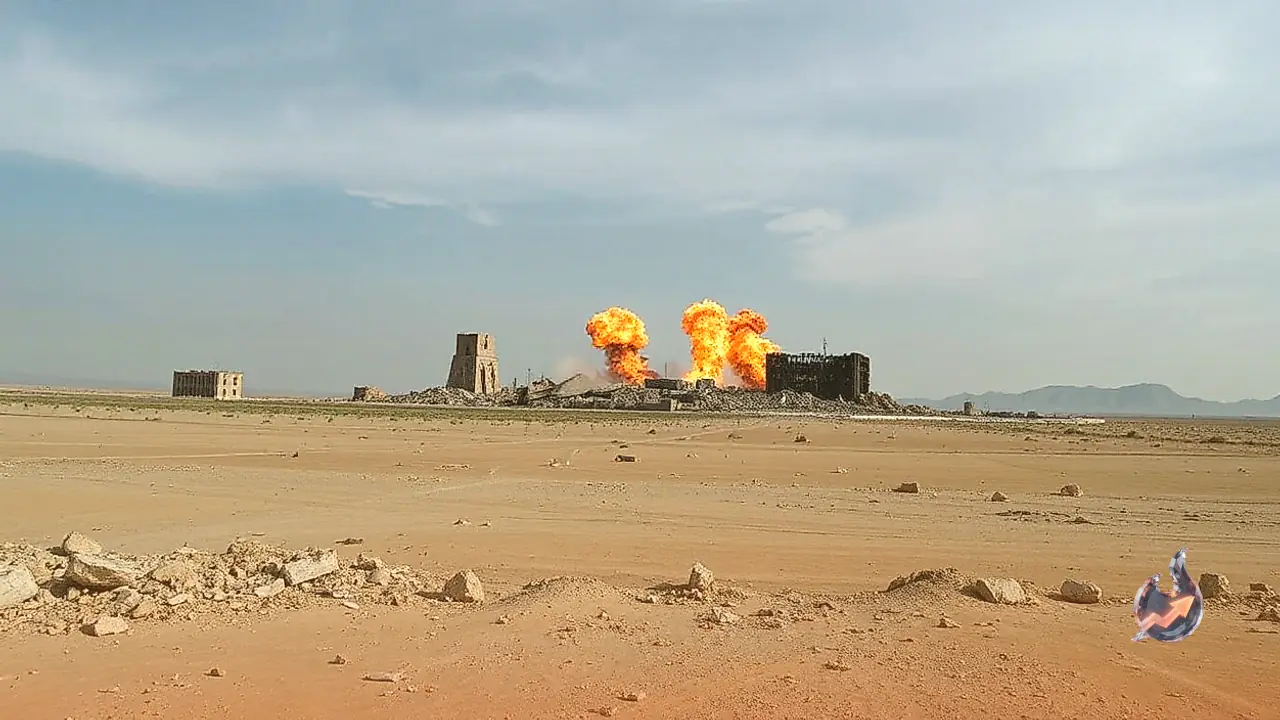

















The persistent standoff between the United States and Iran shows no signs of resolution, with renewed friction threatening to widen the scope of conflict in West Asia. Despite periodic efforts to de-escalate, aggressive rhetoric from Washington has once again brought the specter of direct military confrontation to the forefront, leaving international observers anxious about the stability of the region.
Threats of Renewed Military Operations
Addressing a rally in Florida on October 23, Donald Trump openly hinted at the possibility of further military intervention if Tehran refuses to negotiate a deal. He remarked that the US could execute another targeted operation similar to Epic Fury, a designation tied to the ongoing strategic campaign against Iranian forces. This rhetoric underscores a concerted effort by Washington to maintain maximum pressure on the Iranian leadership, compelling them to return to the negotiating table under American terms.
Diplomatic Warnings and Mixed Signals
Just hours prior to the rally, the US Ambassador to Turkey, Tom Barock, made significant remarks during a conversation with podcast host Mario Nawfal while touring the Gulf region, suggesting that a strike against Iran could occur as early as the upcoming weekend. While Barock clarified that Washington's primary goal is not regime change, he warned that continued threats from Iran toward the global community, American allies, and Gulf states would invite severe repercussions. In an interesting twist, when reporters asked Trump about Barock's weekend strike prediction ahead of the rally, the president distanced himself from the remarks, claiming ignorance and asking whether Barock was indeed his ambassador.
Humanitarian Impact and Political Stakes
The protracted conflict surrounding Iran is now fast approaching its eighth month. The ongoing hostilities, marked by US and Israeli strikes alongside military actions in Lebanon, have resulted in thousands of fatalities and displaced millions of civilians. Furthermore, the prolonged instability has driven up fuel prices globally. With mid-term elections scheduled in the US on November 3, this complex geopolitical crisis poses a critical challenge for the administration.