























Early users examining the mechanics of Meta's new Muse assistant have argued that its impressive performance stems from being an open-source tool adapted into an accessible everyday product. Meta leadership has now validated those observations, confirming that the close technical parallels between the two personal AI systems are deliberate design choices rather than mere coincidence.
Leadership Clarifies Muse Architecture and Roots
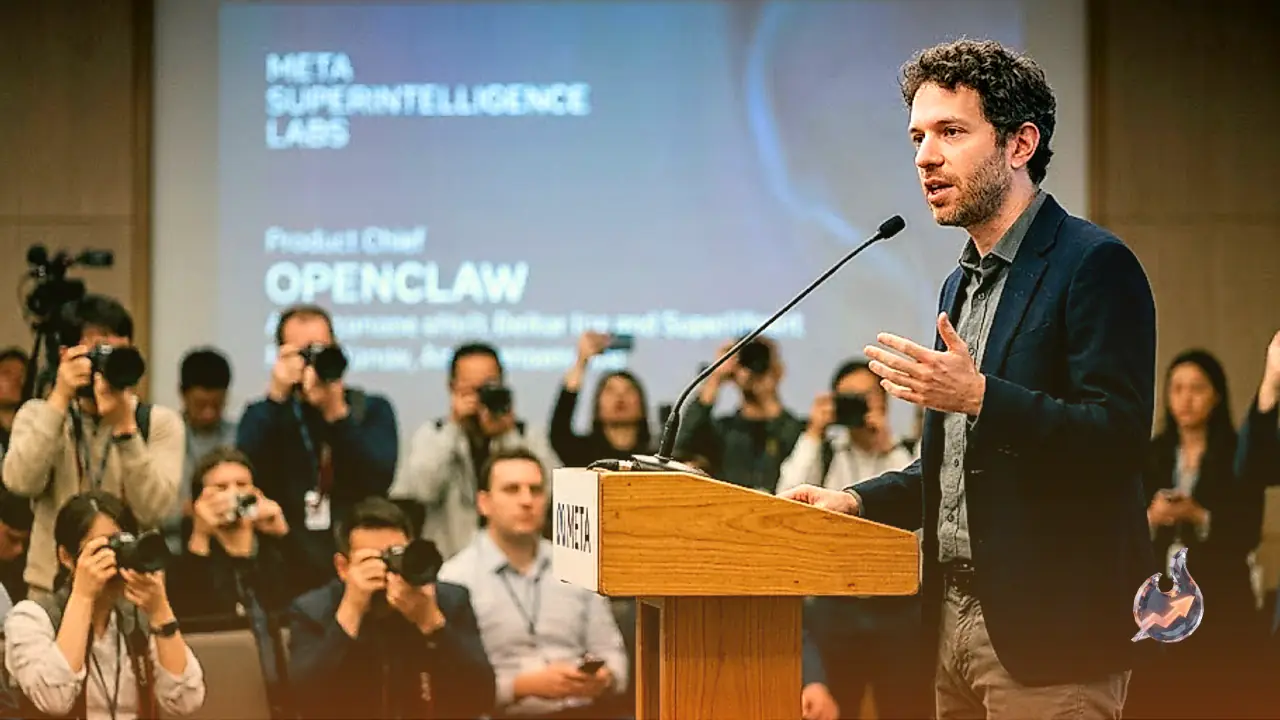
Addressing community observations, Nat Friedman, who leads product development at Meta's Superintelligence Labs, wrote on X that Muse was definitely heavily inspired as a product by OpenClaw. He simultaneously emphasized that the underlying software was built from scratch rather than lifted directly.
Friedman previously led GitHub as CEO before joining Meta last year alongside Alexandr Wang, the company's Chief AI Officer. According to Friedman, researchers and engineers across Meta became deeply impressed by OpenClaw's design pattern, prompting a strategic initiative to build an equivalent assistant capable of scaling securely to billions of people across consumer platforms.
Configuration Files and System Prompts Under Scrutiny
Because OpenClaw operates as an open source framework, industry observers expected external teams to draw ideas from its breakthroughs. The project achieved rapid viral adoption, culminating in OpenAI hiring its creator, Peter Steinberger, earlier this year.
The current debate gained momentum after AI app co-founder Ansh Nanda shared an exchange showing Muse agreeing that the structural alignment between its configuration setup and OpenClaw was an intentional match. Nanda described the release as a consumer-facing iteration of the technical framework.
Other developers quickly probed the assistant's underlying workspace files to verify the claims. Observers noticed that Muse utilized a configuration file titled 'SOUL.md', a Markdown-formatted document responsible for establishing the assistant's persona, conversational boundaries, tone, values, and core domain knowledge. Subsequent comparisons revealed that the configuration files shared virtually identical names and largely matched each other in their actual text and operational guidelines.
Acknowledging the Foundational Design
When questioned about why Muse mirrored identical file naming conventions and matched configuration instructions, Friedman did not dispute the architectural overlap. Instead, he openly credited Steinberger's foundational decisions, stating that the team believed the creator had designed those mechanisms perfectly.
Explaining the engineering timeline, Friedman noted that after working with OpenClaw in January, he arranged the purchase of hundreds of Mac mini computers for members of the Superintelligence Labs division. The team subsequently grew fond of using the open-source software and personal agents. He characterized Steinberger as an exceptional pioneer whose harness influenced many developers, reiterating that Meta sought to take those concepts and turn them into an accessible, enterprise-grade assistant.
Rapid Consumer Adoption on Mobile Platforms
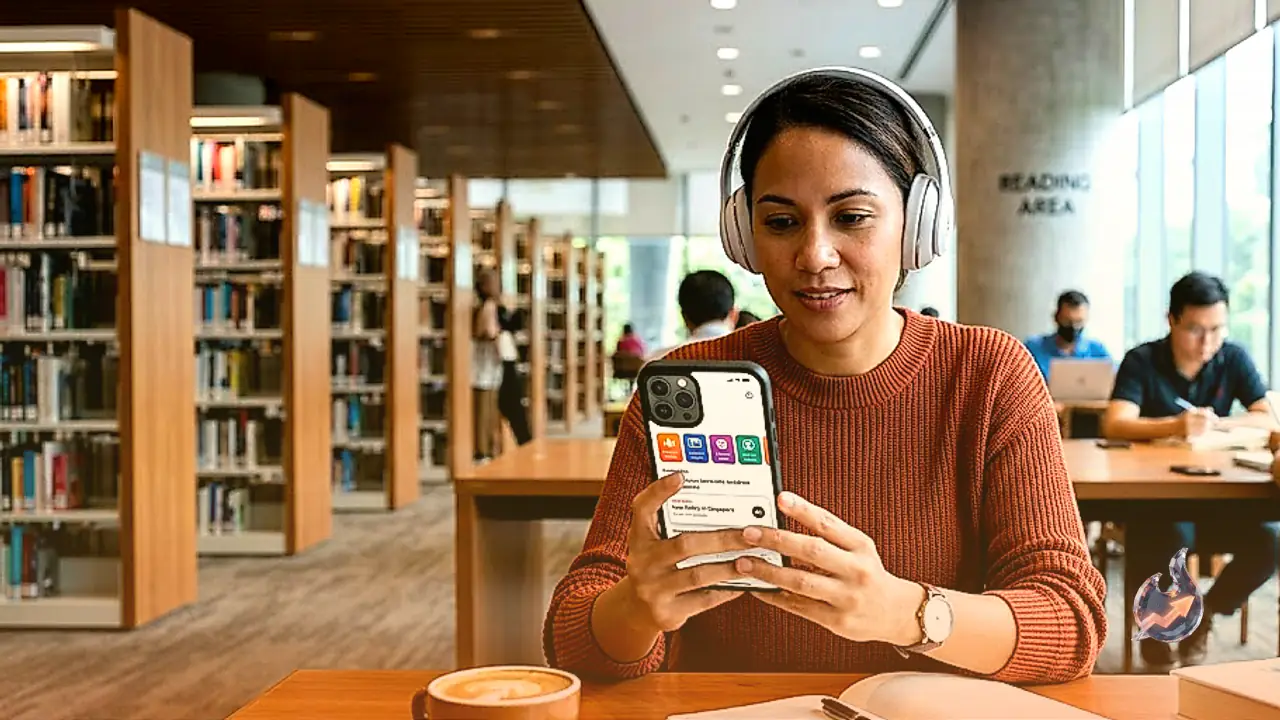
Despite technical scrutiny among developers, Muse has quickly captured user attention, rising to the top spot on the United States App Store. Comparative distribution figures demonstrate that its launch velocity is outpacing the early mobile rollout of ChatGPT across corresponding markets and deployment phases. When approached regarding the technical overlaps, a Meta spokesperson pointed back to Friedman's published comments, stating that the organization had no further details to provide.