

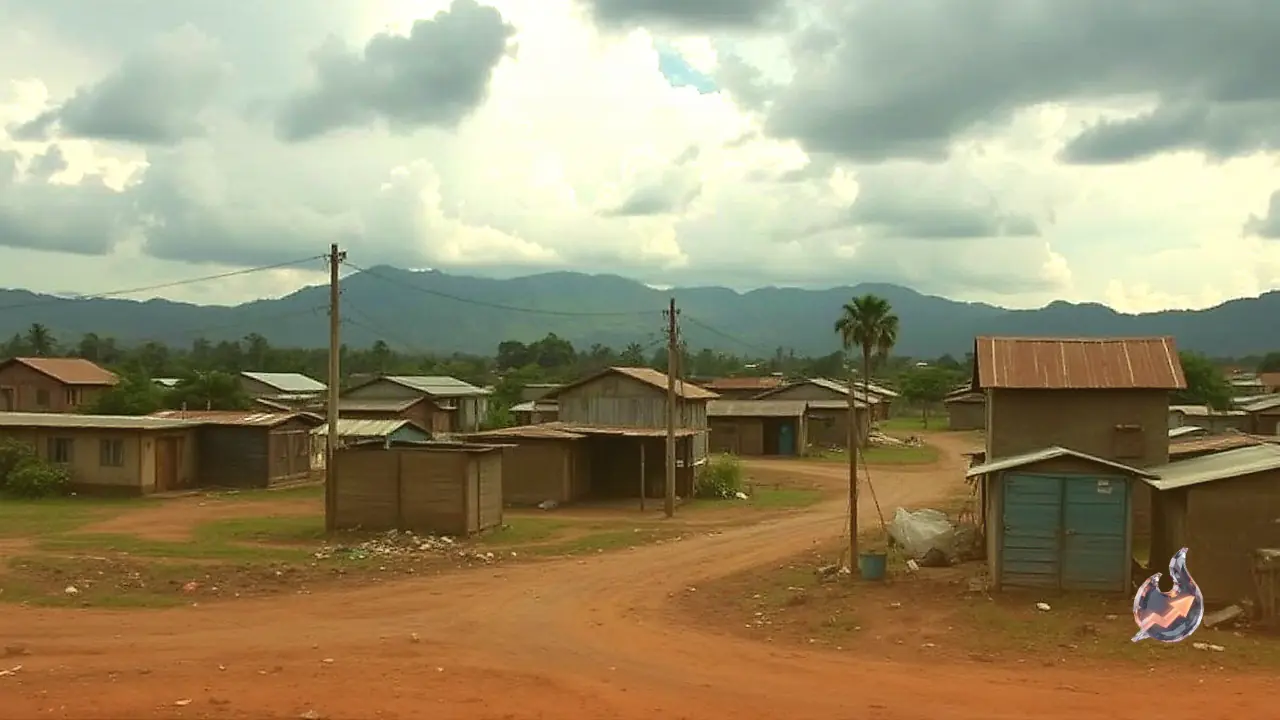





















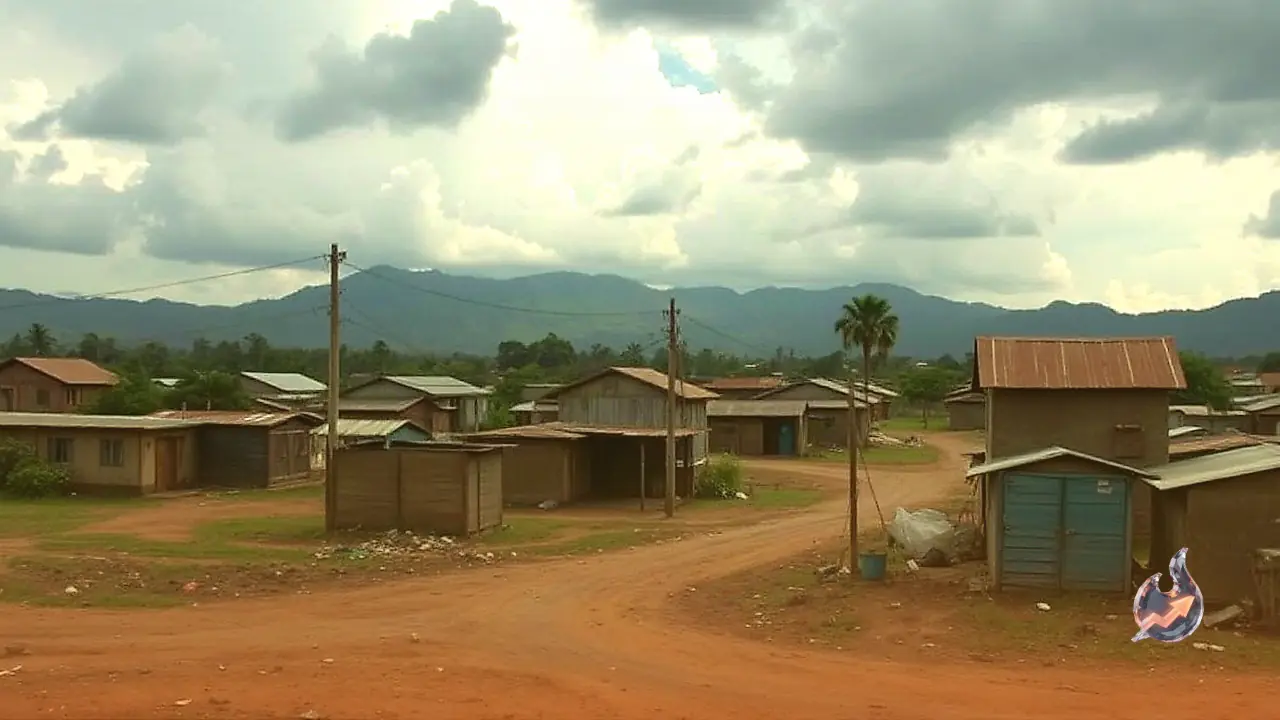

A deadly outbreak of the Bundibugyo Ebola virus is tearing through the Democratic Republic of Congo at unprecedented velocity, infecting over 7,000 individuals since May. Official tallies compiled by the World Health Organization reveal that nearly half of all documented patients have succumbed to the disease. Epidemiologists and crisis response leaders warn that the trajectory of this transmission chain represents the fastest accelerating Ebola wave in recorded history, threatening to eclipse every previous viral surge the international medical community has tackled.
Civil Strife and Communal Resistance Cripple Containment
Earlier epidemiological playbooks in neighboring Uganda demonstrated that strict isolation protocols, rigorous contact tracing, and rapid hospital care could successfully halt viral transmission. In the Democratic Republic of Congo, however, persistent armed conflict and political instability have dismantled standard epidemic containment measures. Chronic violence has displaced millions of citizens across regional provinces, scattering vulnerable populations and making it nearly impossible for surveillance teams to track down individuals exposed to active cases.
The logistical breakdown has been compounded by deep seated friction between local populations and international aid organizations. Suspicion toward humanitarian operations has triggered violent clashes in several hotspots. Crowds have assaulted Red Cross volunteers, destroyed emergency ambulances along with diagnostic hardware, and forcibly halted specialized burial workers attempting to inter highly infectious remains safely. Medical field commanders emphasize that breaking the transmission cycle under such hostile field conditions will remain unattainable without deploying an effective protective vaccine.
Serum Institute of India Mobilizes Oxford Vaccine Batches
Immediately following the initial viral detections in May, the international non-profit Coalition for Epidemic Preparedness Innovations shifted $100 million of its internal reserves straight toward emergency vaccine R&D. That sudden capital injection allowed scientists partnering with the Serum Institute of India to manufacture clinical quantities of Oxford University's ChAdOx1 BDBV vaccine candidate in record-setting time.
Parallel efforts backed by CEPI have also advanced an experimental candidate engineered by Moderna. Both vaccine platforms have formally entered human safety trials, with Phase 2/3 efficacy trials slated to commence this month across affected regions. Nevertheless, researchers caution that conducting reliable field efficacy evaluations still depends upon functional contact tracing networks, leaving scientific trials exposed to the very same local resistance and community distrust that have hindered clinical containment.
Scientific Frustration and the Challenge of Global Indifference
Teresa Lambe, a professor of vaccinology and immunology serving as lead scientific investigator for the Oxford safety evaluations, voiced intense concern over vaccine hesitancy and social mistrust in the DRC. In May, Lambe was actively developing a hantavirus vaccine in the aftermath of a cruise ship outbreak when an urgent alert from a former WHO contact forced an immediate shift in priorities. Recognizing that ongoing civil instability in the DRC would allow an untracked Ebola strain to spiral out of control, she secured private philanthropic funding to kick-start laboratory operations before official institutional funding came through.
Reflecting on her relentless schedule, Lambe observed that managing the Covid crisis was, in specific respects, more straightforward because global lockdowns united worldwide focus behind common targets. In stark contrast, general indifference toward Central Africa means ordinary life proceeds uninterrupted around the planet, depriving frontline responders of collective international support while local teams struggle in near-total isolation.
Funding Deficits Loom Following US Foreign Aid Shake-Up
Emergency medical operations across the region have been further drained of vital personnel following the United States withdrawal from the World Health Organization and the dismantling of USAID under President Donald Trump. Sweeping reductions in foreign assistance have caused acute field shortages of basic protective supplies, leaving responders without sufficient disposable masks, hand sanitizers, and diagnostic testing materials. The US State Department declined to comment when questioned about the humanitarian deficit.
Addressing the containment efforts, Department of Health and Human Services press secretary Emily Hillard stated in an email that CDC personnel and regional partners continue bolstering preparedness through diagnostic laboratory reinforcement, cross-border surveillance, contact monitoring, and community education in direct collaboration with authorities in the DRC and Uganda. Hillard added that domestic US safeguards have been reinforced through enhanced airport health screening, tailored clinical guidelines, and rapid-response integration across municipal health departments.
Although the United States pledged $50 million in June toward CEPI's Bundibugyo countermeasures, executive leadership, including Nicole Lurie, cautioned that without broader contributions from other world governments, the organization will completely exhaust its Ebola intervention finances by December. CEPI was originally founded in 2017 with backing from several sovereign donors and the Bill & Melinda Gates Foundation after the 2014 to 2016 West Africa epidemic claimed over 11,000 lives before vaccines could be distributed. That catastrophic historical epidemic had recorded barely 1,000 cases at an equivalent monthly stage, highlighting the extreme urgency facing the world as current caseloads surge past 7,000.