




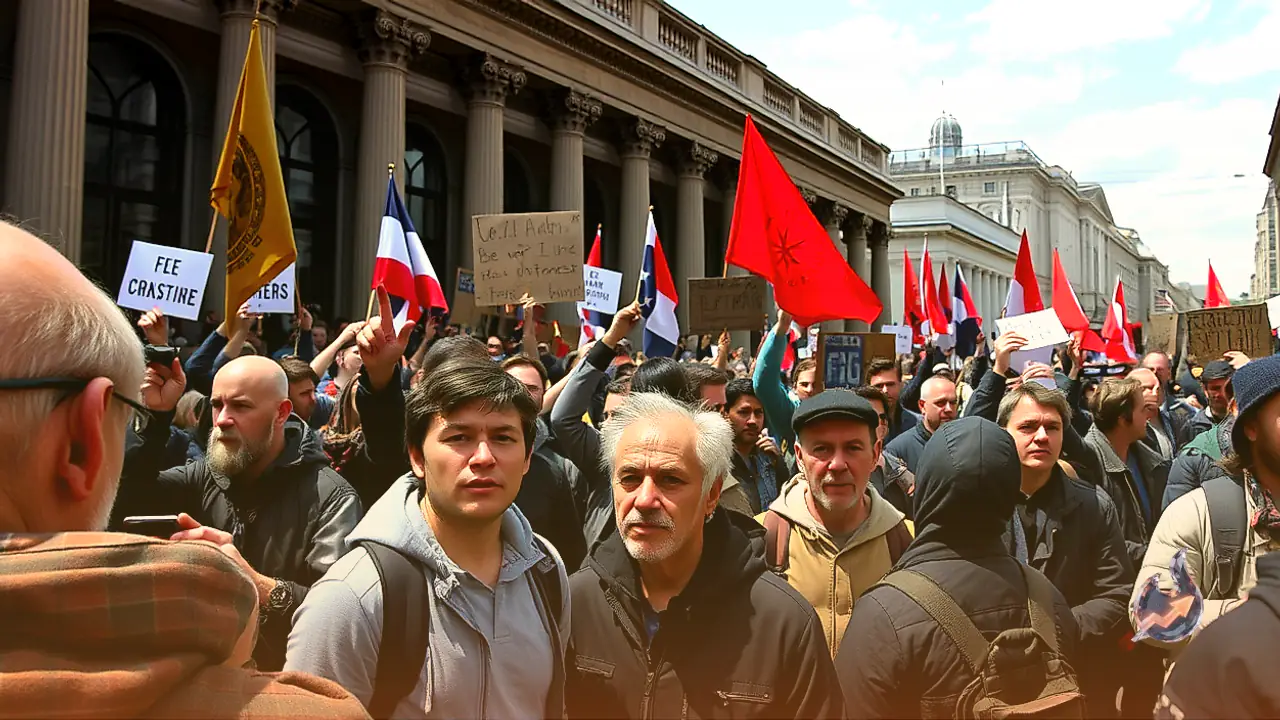















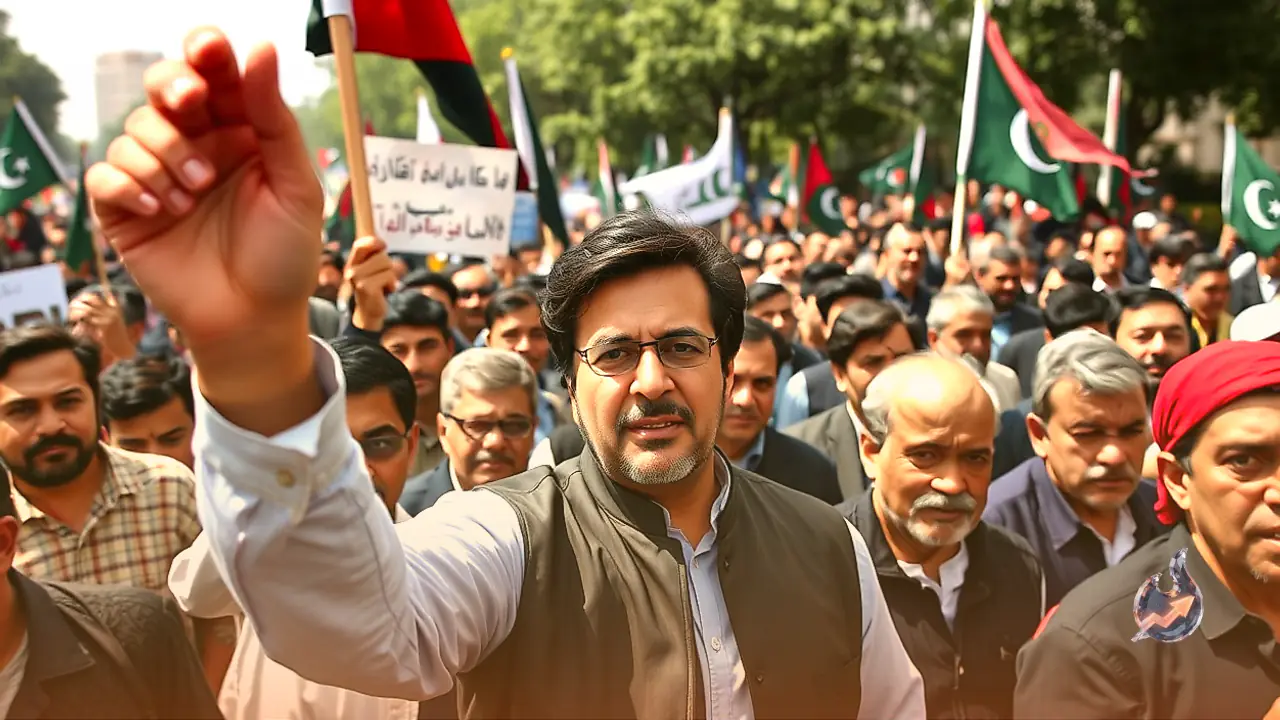

Political friction in Pakistan has reached a critical boiling point as thousands of demonstrators have begun moving toward the federal capital to demand the release of former prime minister Imran Khan from incarceration. Organised by Pakistan Tehreek-e-Insaf, this extensive long march is steadily advancing along key highways toward Islamabad. Khyber Pakhtunkhwa Chief Minister Sohail Afridi is heading the massive convoy, followed by thousands of energized party loyalists. Sohail Afridi has already affirmed that only the vision and policies of Imran Khan will govern Khyber Pakhtunkhwa. The expanding turnout along the transit corridor has created considerable anxiety for Prime Minister Shehbaz Sharif and military chief Asim Munir, as crowds continue to swell with each passing milestone.
State Machinery Mobilizes Against the Demonstration
In response to the advancing procession, the administration led by Shehbaz Sharif has deployed extensive administrative and law enforcement resources to impede the march. State authorities have launched comprehensive raids targeting the residences and political hubs of Tehreek-e-Insaf leaders and their key associates. Several prominent figures have already been detained in pre-emptive operations across multiple districts. Despite the extensive state clampdown, demonstrator enthusiasm has not waned. Addressing participants of the procession, Sohail Afridi declared that the leadership has formulated an expansive plan and urged everyone to brace themselves, asserting that the ensuing political confrontation will be formidable.
Defense Minister Alleges Extremist Connections
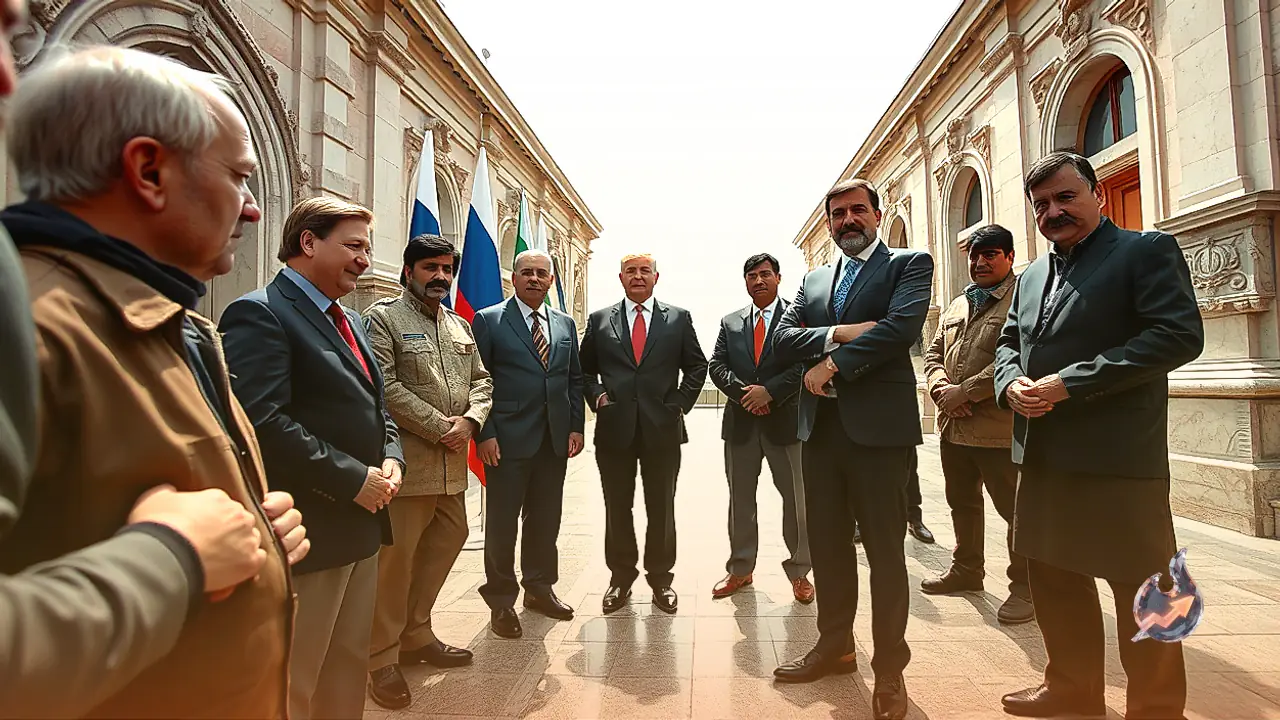
The intensifying mobilization has drawn a sharp response from senior figures in the federal cabinet. Pakistan Defense Minister Khawaja Asif came forward to state that while the government remains open to dialogue, supporters of the incarcerated leader are attempting to blackmail state authorities. He claimed that the marchers intend to hold Pakistan hostage yet again. In a particularly contentious remark, Khawaja Asif linked Tehreek-e-Insaf elements to the militant organization TTP, arguing that both entities share an aligned objective to destabilize the nation and push the country into widespread chaos and armed hostility.
Rejection of Concessions Under Coercion
The renewed march has once again elevated domestic political tensions to historic heights, prompting an uncompromising stance from the federal coalition. Defense Minister Khawaja Asif emphasized that the administration will not grant any concessions under external intimidation or threats. He reiterated that Tehreek-e-Insaf must abandon the misconception that it can dictate terms and enforce demands at gunpoint, making it clear that administrative authorities will not yield to force.
Criticism of Recurrent Marches on the Capital
Offering advice to the protest leadership, Khawaja Asif urged the opposition to abandon the streets, return home, and engage formally at the negotiating table. He observed that Tehreek-e-Insaf appears to assume that orchestrating a long march gives it the leverage to coerce the ruling setup, but stated that the government will refuse to be blackmailed under any circumstances. The defense minister remarked that organizing a march toward Islamabad every two to three months has virtually turned into a recurring habit for the party, causing perpetual friction in civil governance.
Detention of Family Members and Broader Crackdowns
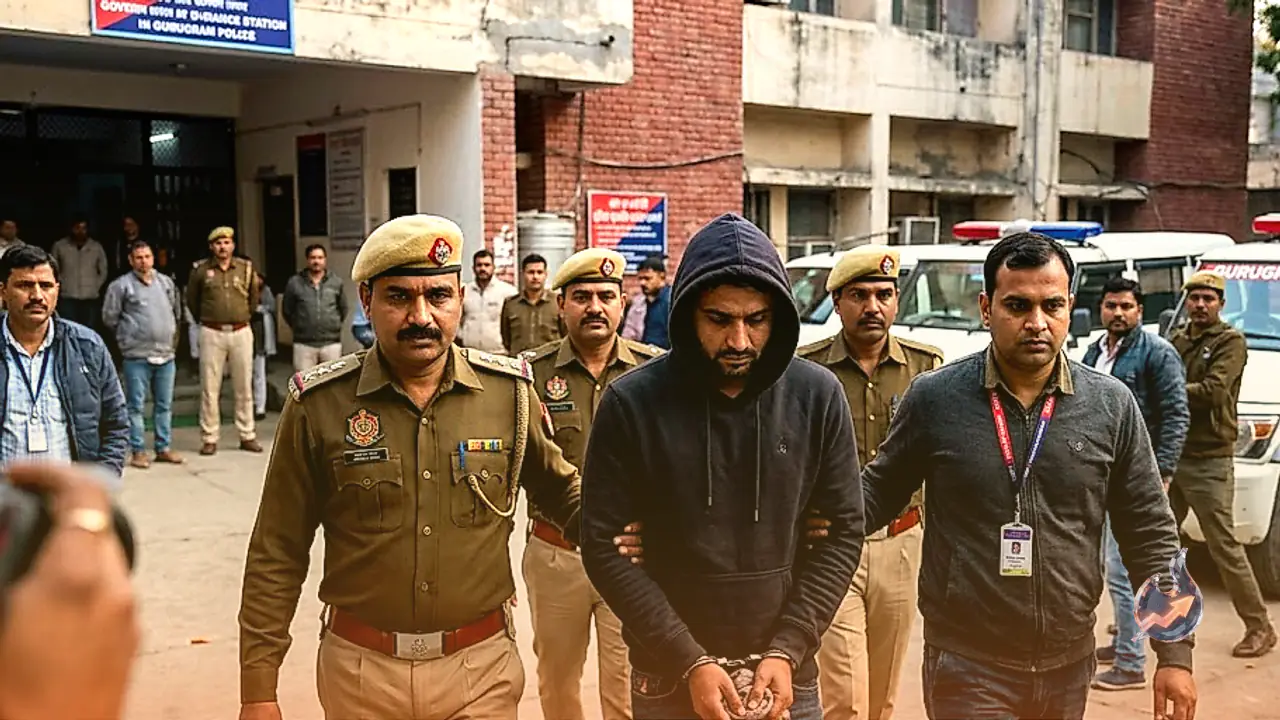
Concurrently, law enforcement agencies have tightened their grip around key political figures associated with the demonstration. Authorities have taken Imran Khan cousin Qasim Zaman into custody under the Maintenance of Public Order regulations. Alongside this targeted arrest, police operations and detention drives against Tehreek-e-Insaf organizers and associates have expanded across several cities, as security agencies seek to halt the convoy before it reaches the perimeter of Islamabad.