




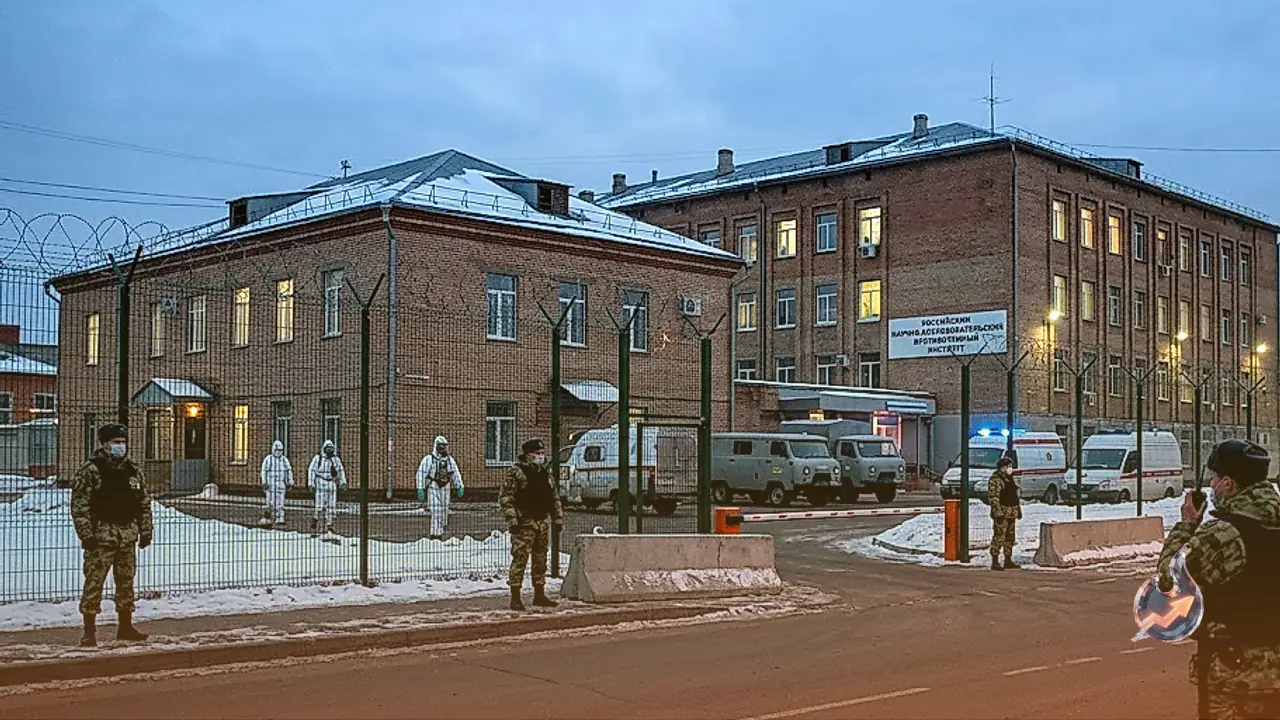


















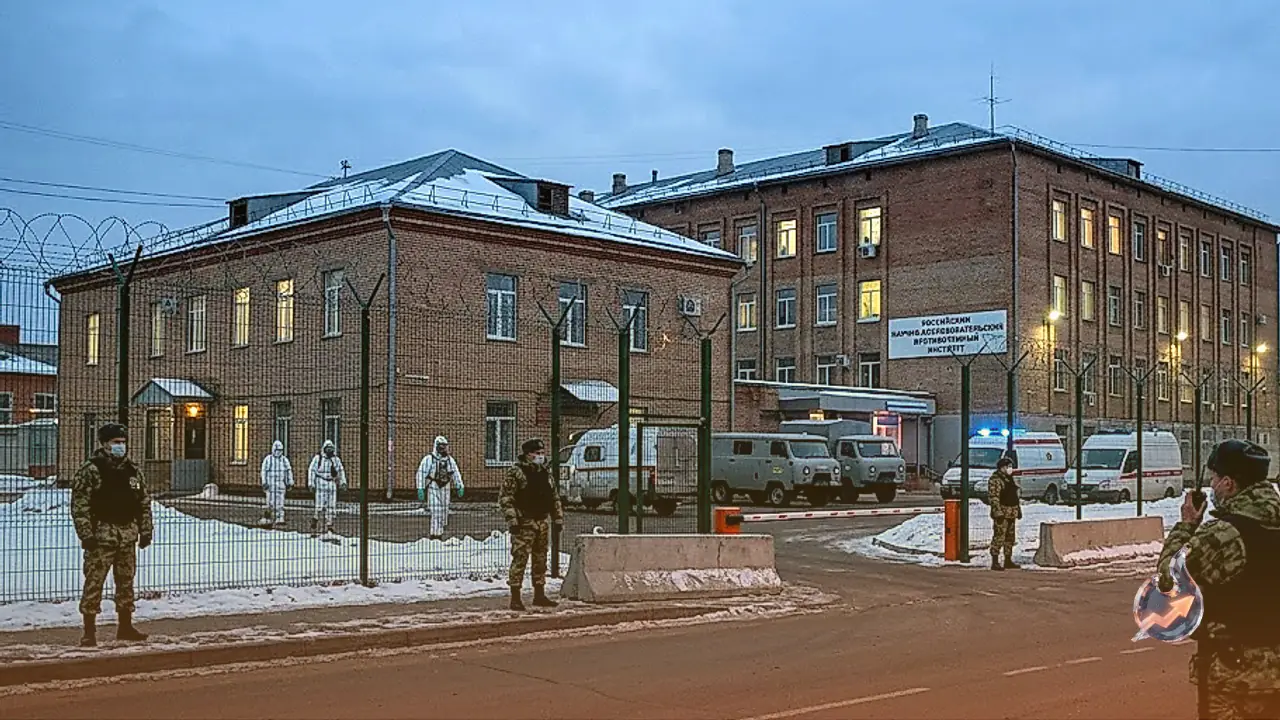

A high-alert situation unfolded across Russia's Siberian region following the sudden demise of a laboratory worker at a specialized infectious disease facility. The incident occurred at the Anti-Plague Research Institute located in Shelekhov, situated near the city of Irkutsk. Russia's federal health surveillance agency, Rospotrebnadzor, stated that the deceased employee suffered from pneumonia arising from unknown causes. In response to potential biohazard risks and lingering suspicions of plague, approximately 200 staff members stationed at the research center have been placed into strict quarantine to prevent any hypothetical pathogen transmission.
Lab Employee Succumbs to Undiagnosed Pneumonia
According to official details, the laboratory staff member developed an aggressive form of pneumonia that progressively worsened, ultimately leading to fatal complications. The research facility in Shelekhov is an advanced biological center responsible for tracking, investigating, and analyzing some of the world's most deadly and communicable pathogens. Rospotrebnadzor clarified that while the worker died from pneumonia of undetermined origin, public health indicators across Shelekhov, the administrative center of Irkutsk, and nearby municipal areas remain completely stable, with comprehensive safeguards activated to monitor the surroundings.
Emergency Council Convenes as Governor Urges Public Calm
Following the laboratory fatality, regional authorities convened an urgent meeting of the local anti-epidemic council to evaluate containment measures. Irkutsk Governor Igor Kobzev addressed the population, urging residents not to panic and assuring them that there is no cause for widespread alarm. He noted that the emergency assembly was summoned immediately after an area resident exhibited suspected indications of an extremely dangerous pathogen. Despite these reassuring messages from administrative leadership, the unusual circumstance of the death has amplified local anxieties regarding a potential case of pneumonic plague.
Protective Masking Mandated Near Industrial Zones
Preventative steps quickly expanded to surrounding commercial establishments located close to the pathogen research complex. A major industrial aluminum facility situated in the vicinity ordered all personnel on site to wear protective face coverings during shifts. Artem Fominikh, head of the Irkutsk Aluminum Plant, advised the public and workers to stay collected amidst mounting speculation. He acknowledged that varied rumors and unverified accounts have been circulating rapidly, sparking resident fears about possible movement restrictions or lockdowns. Concurrently, regional health officials continue to reiterate that community transmission metrics are fully stable.
Close Contacts Under Round-the-Clock Observation
Gennady Onishchenko, who heads Rospotrebnadzor, provided context on the situation, suggesting that the Siberian pathogen behind the illness was likely not plague. He further emphasized that even in the event of an affirmative plague verification, the contagion would not spread out of control. Individuals who had close physical contact with the deceased worker remain under rigorous medical supervision in designated quarantine facilities. Medical observers confirmed that none of the quarantined individuals currently exhibit clinical symptoms of the disease, and initial diagnostic laboratory evaluations have returned negative.
Understanding Plague Dynamics and the Pneumonic Strain
Plague is a severe infectious bacterial illness caused by the organism known as Yersinia pestis. Among its clinical presentations, pneumonic plague is particularly severe because it attacks the pulmonary and respiratory systems directly. This specific variety carries significant transmission risks because it can pass between individuals through respiratory droplets propelled into the air when an infected patient coughs or breathes in close quarters. Hallmark diagnostic symptoms encompass sudden high fever, acute headaches, pervasive muscular weakness, respiratory distress, sharp chest discomfort, and persistent coughing. Prompt containment and antibiotic intervention remain central to managing suspected exposures.