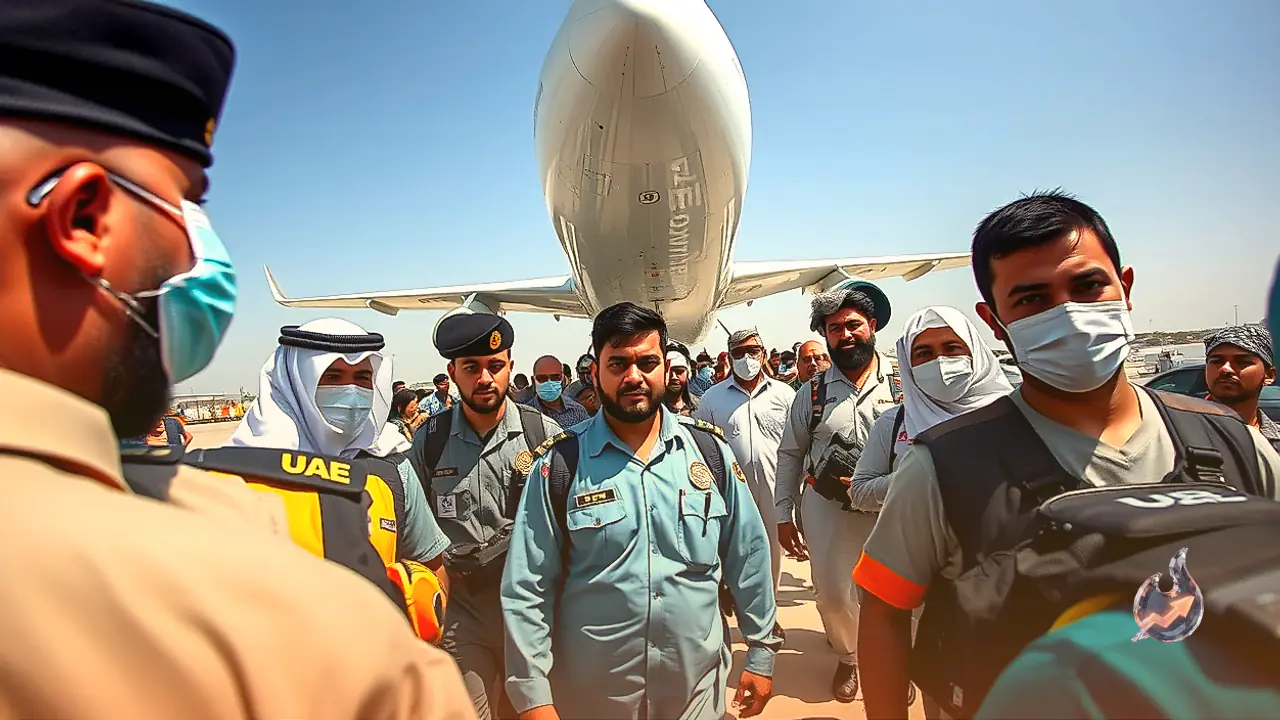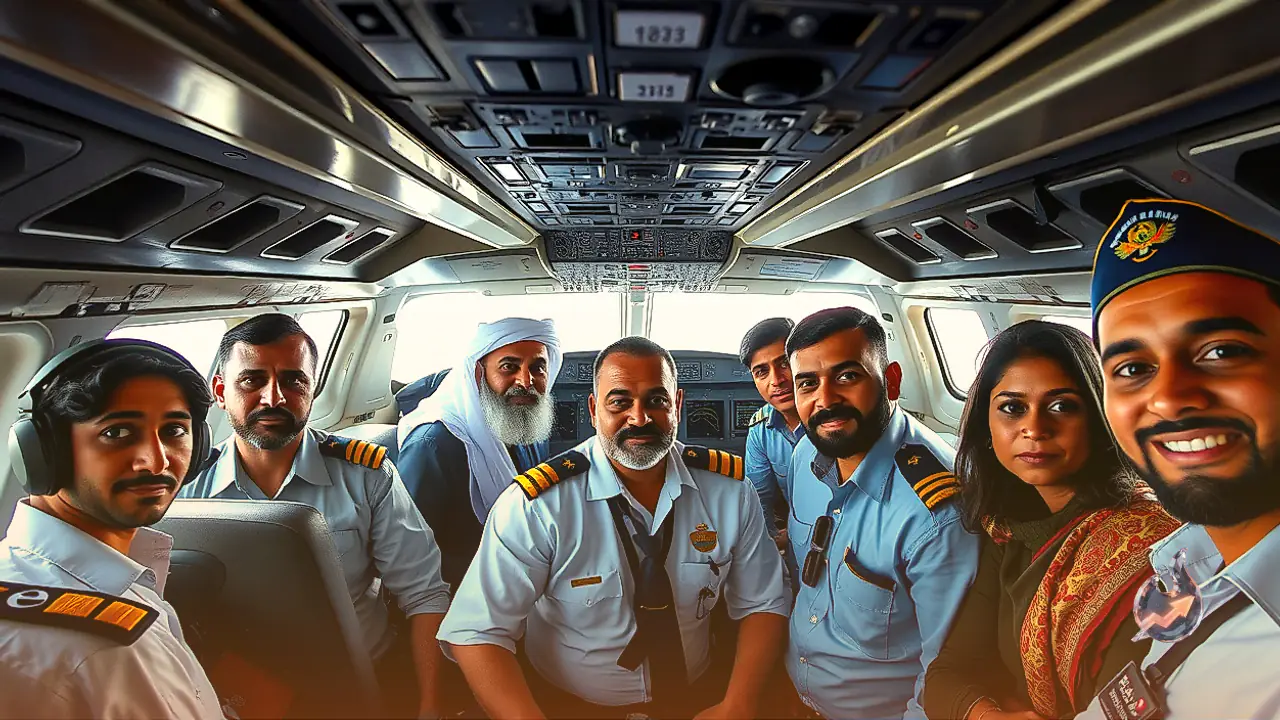

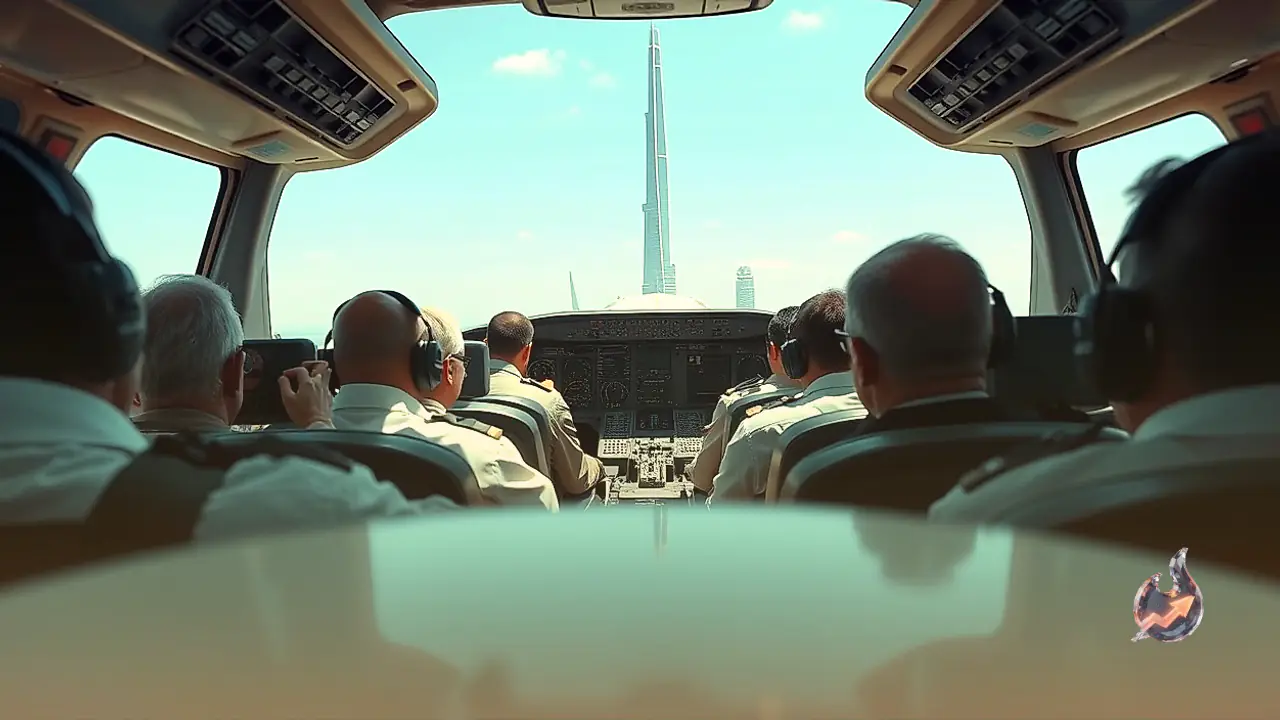



















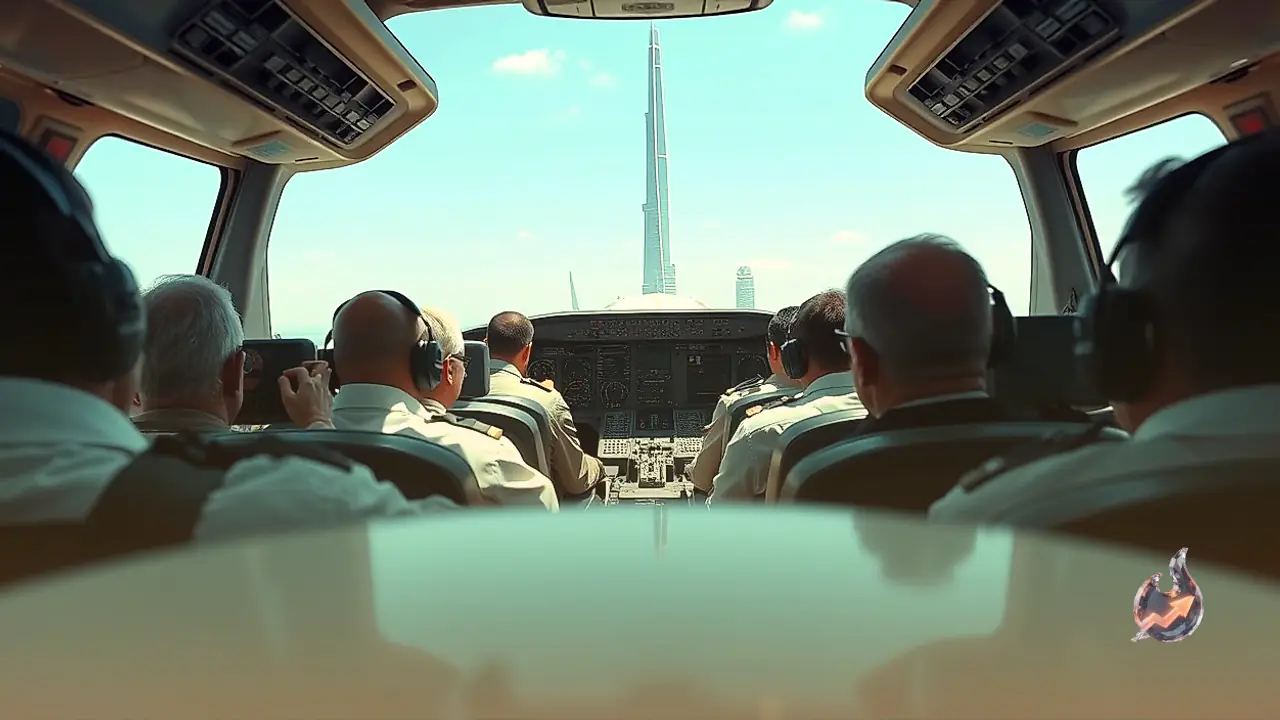

A catastrophic disaster was averted mid-air aboard a Flydubai flight en route from Dubai to Tel Aviv after a co-pilot attempted a hostile takeover of the aircraft. Omani co-pilot Hammam al-Hammami launched a violent assault on the flight commander, Captain Smit Machhar, intending to seize full control of the plane. His primary objective was to steer the passenger jet into a skyscraper in Tel Aviv. When that initial scheme fell apart amid fierce resistance, he attempted to plunge the plane directly into the desert. However, the remarkable endurance of the injured captain, combined with the quick bravery of passengers and two off-duty pilots, successfully prevented the crash. Aviation investigators are actively examining whether the rogue co-pilot also shut off the fuel supply switches to both engines during the struggle.
Premeditated Assault Inside the Cockpit
The harrowing incident unfolded when al-Hammami feigned a desire to pray inside the cockpit to catch the captain off guard. Seizing an opportunity, he grabbed the cockpit's onboard crash axe and launched a brutal assault against Captain Smit Machhar. The sudden blow inflicted serious trauma to the captain's head and hands. Despite severe bleeding and agonizing injuries, Captain Machhar fought back fiercely and attempted to unlatch the cockpit access door. Although al-Hammami actively attempted to block the door and keep it sealed from inside, the captain mustered a final burst of physical strength, successfully releasing the latch to alert the cabin.
The opening of the door immediately alerted those outside that an extreme emergency was taking place. Passengers alongside two off-duty pilots traveling on the flight rushed toward the flight deck to intervene and overpower the attacker.
Aborted Skyscraper Target and Violent Desert Dive
Evidence gathered in the aftermath indicates that al-Hammami's primary plan was to kill Captain Machhar, navigate the aircraft toward Tel Aviv, and intentionally slam it into a high-rise building. Realizing his original plot was no longer feasible once the cockpit was breached, he pivoted toward bringing down the airliner in the desert terrain below.
Al-Hammami disengaged the autopilot system and aggressively pushed the flight control stick downward. This abrupt action sent the aircraft into a terrifying plunge, shedding roughly 16,000 feet of altitude in just 30 seconds. In the midst of this dive, the co-pilot also attempted to sabotage the flight controls to prevent any recovery before bystanders could pin him down.
Plumber's Quick Reflexes and Pilot Intervention
During the rapid descent, a passenger identified as Yaniv Hayun, a plumber by trade, acted decisively. He stepped into the flight deck and hauled the control stick backward toward himself with substantial force, arresting the steep dive and stabilizing the aircraft's pitch. Simultaneously, other passengers restrained al-Hammami, eliminating further internal threats.
Two off-duty pilots traveling on board promptly took over the flight controls. Utilizing their professional training, they stabilized the aircraft, navigated through the crisis, and guided the jet away from catastrophe, preserving the lives of everyone on board.
Cabin Emergency Lighting and Engine Fuel Suspicions
Video footage recorded between passenger seats during the ordeal revealed that the cabin emergency lighting had illuminated during the flight. These emergency luminaires are typically engineered to guide evacuations while the aircraft is grounded or facing severe runway emergencies. Their activation while cruising at high altitude signaled an extraordinary electrical shift.
Under Boeing 737 electrical architecture, the aircraft transitions to internal battery power when main electrical generators stop supplying current, triggering the automatic activation of emergency cabin lights. This power drop occurs either if electrical generators trip offline or if fuel supply to both engines is abruptly cut off. This specific mechanical evidence reinforces suspicions among safety investigators that al-Hammami flipped the dual-engine fuel shutoff switches, a critical aspect that remains under exhaustive technical examination.