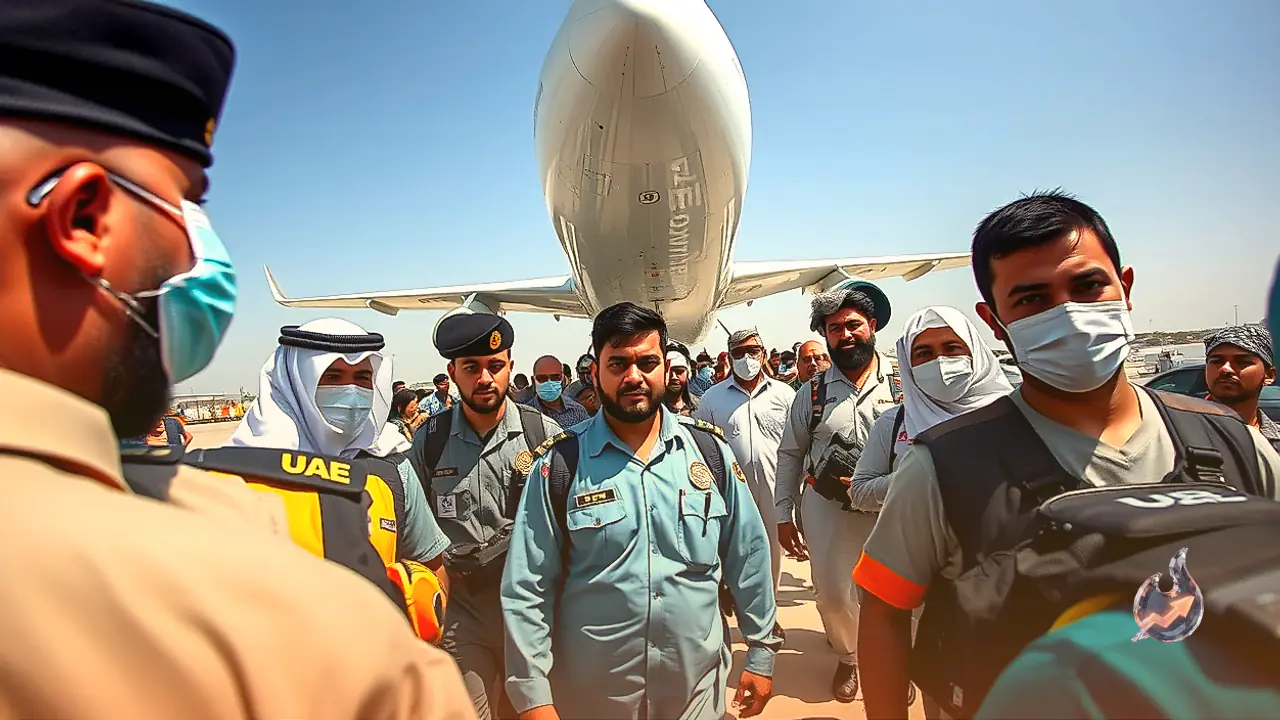























In an authoritative reaction to a harrowing in-flight emergency that nearly triggered a catastrophic aviation disaster, the leadership of the United Arab Emirates has taken an unequivocal stance. Senior presidential adviser Anwar Gargash declared that the mid-air cockpit struggle on a passenger jet bound from Dubai toward Tel Aviv constituted a dangerous act of terrorism. Gargash directed global attention to the remarkable resilience displayed by the Indian aircraft commander, Captain Smit Machchhar, whose decisive composure averted massive loss of human life. This intervention marks the first formal designation of the violent airborne incident as terrorism by a top Emirati dignitary, coming at a time when multi-jurisdictional inquiries continue to probe the wider conspiracy and underlying motivations behind the breach.
Extraordinary Valor in the Face of Airborne Peril
Voicing admiration through a public post on X, Gargash underscored that Machchhar proved what authentic leadership demands under lethal duress. The presidential adviser maintained that the Indian captain earned full-throated acclaim for braving a grave terrorist menace and shielding travelers from sheer disaster. Observers noted that Machchhar refused to yield despite suffering severe physical trauma inside the locked flight deck.
Gargash remarked that demonstrating professional integrity and moral clarity amid the darkest circumstances transformed the aviator into an authentic hero. Concurrently, the senior official urged observers and media analysts to refrain from amplifying uncorroborated conspiracy narratives or reducing complex extremist challenges to sensational theories. Confronting ideological radicalism throughout the wider geopolitical arena necessitates relentless vigilance, deliberate caution, and disciplined investigation, he cautioned.
Investigative Scrutiny and Extremist Evidence
The Emirati administration sanctioned comprehensive investigative procedures immediately following the breach. Several specialized wings are dissecting the sequence of events from the September 30 incident, accompanied by Israeli investigators participating directly in the interrogation process. Authorities are establishing whether the attacker operated in isolation or coordinated with an organized network.
Scrutiny intensified after material linked to radical advocacy was discovered among the personal possessions of the Omani co-pilot, including pamphlets affiliated with Free Palestine factions. Prior accounts noted that the co-pilot had repeatedly voiced anti-Israel rhetoric while championing Palestinian causes. Investigators have cautioned that these evidentiary finds form part of an ongoing probe and do not yet represent definitive conclusions regarding state or group sponsorship.
Radicalization Inquiries and High-Level Disclosures
A central dimension of the judicial inquiry explores whether ideological radicalization motivated the copilot to attempt crashing the civilian aircraft. Israeli Prime Minister Benjamin Netanyahu intervened publicly, stating that the suspect underwent indoctrination rooted in radical Islamic ideology. Netanyahu maintained, however, that while interrogation proceeds, formal determinations linking foreign subversive entities to the airborne plot remain pending.
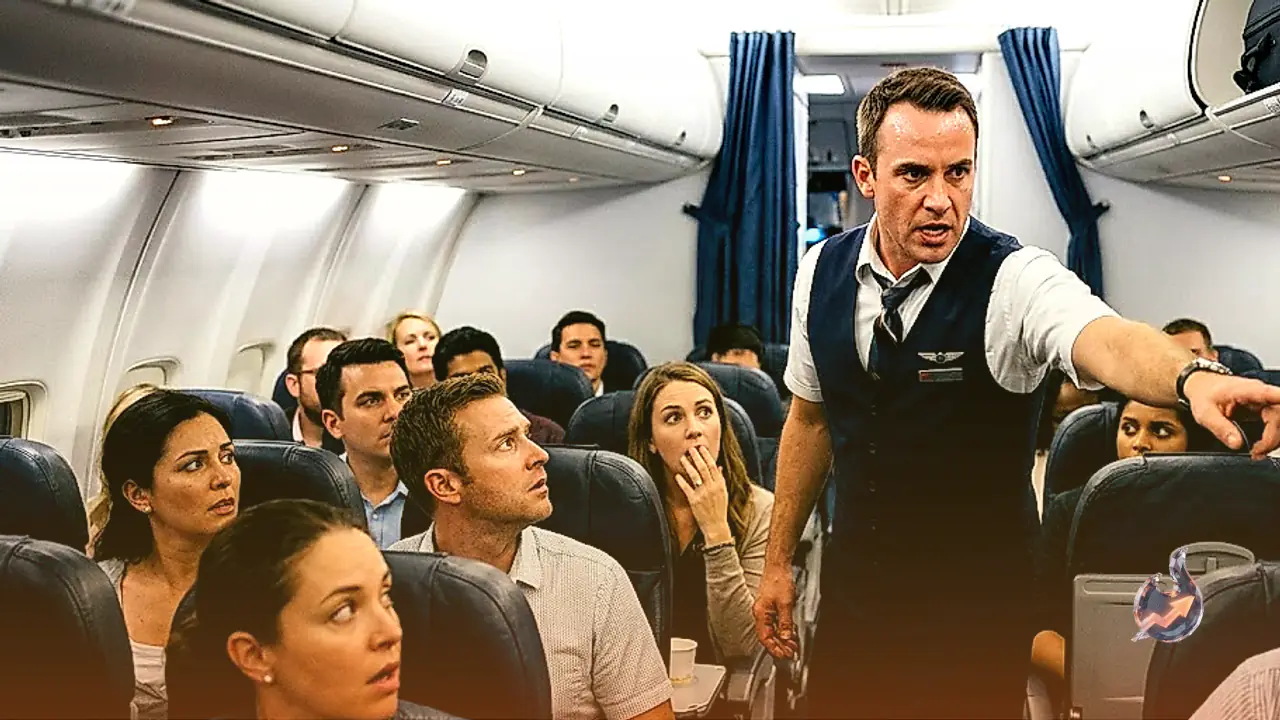
During an appearance on Fox and Friends, Netanyahu outlined graphic aspects of what transpired inside the confined control cabin. Cabin personnel improvised restraint techniques by deploying headphone cords alongside plastic zip-ties to pin down the assailant. The Israeli leader revealed that once incapacitated against the cockpit deck, the perpetrator repeatedly pleaded with crew members to execute him on the spot.
Catastrophic Altitude Drop and Emergency Signals
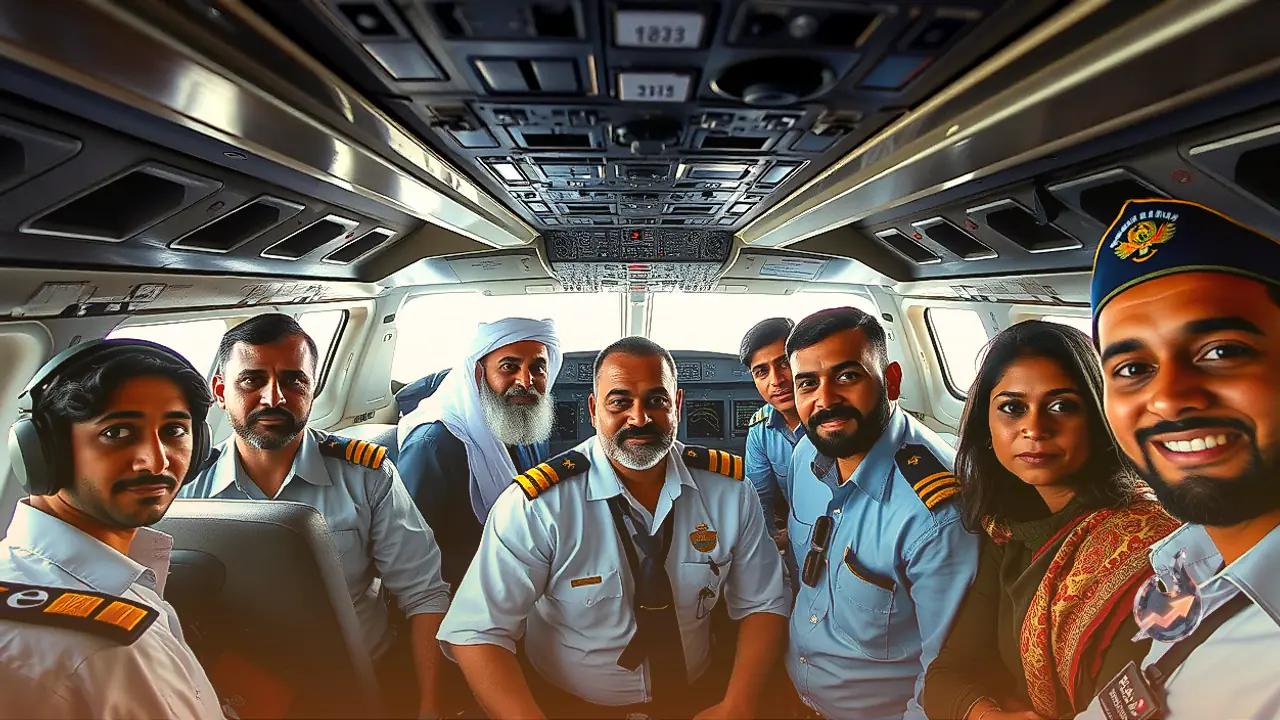
The terrifying scenario materialized on September 30 aboard Flydubai flight FZ1073 during its transit across regional airspace between Dubai and Tel Aviv. Suddenly and without warning, the Omani second-in-command launched an assault against Captain Smit Machchhar at the primary controls. During the violent altercation, the automated flight path disrupted, precipitating an alarming, uncontrolled descent.
Technical telemetry indicated that the airliner plummeted approximately 16,000 feet in an exceptionally brief window of time before stabilization could be attempted. Recognizing the existential threat to all on board, a transponder hijacking distress alert was immediately triggered, alerting civil aviation tracking installations throughout the Middle East.
Wounded Commander Unlocks Deck to Avert Disaster
Despite sustaining serious bodily harm, Captain Machchhar engaged his assailant and managed to unlock the armored flight deck barrier. This pivotal action enabled alerted cabin crew members and observant travelers to rush forward and overpower the combative copilot before further damage could be inflicted on flight control systems.
Two off-duty commercial pilots traveling as passengers assisted in managing flight deck systems following the melee. The crippled flight redirected swiftly across regional borders, executing a safe diversionary touchdown at Tabuk in Saudi Arabia without any further harm to passengers.