



















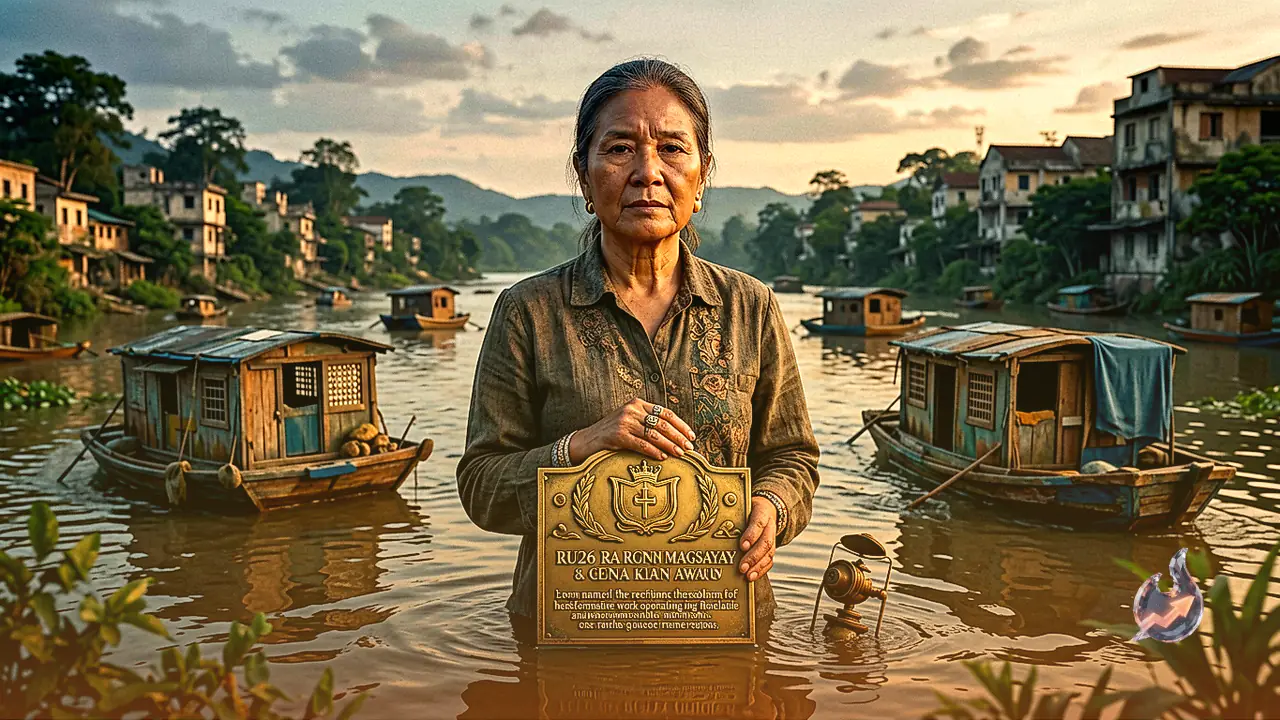

Prominent Bangladeshi social activist and humanitarian Runa Khan has been honored with the prestigious 2026 Ramon Magsaysay Award, often regarded as Asia's highest honor. The recognition comes after decades of relentless dedication to improving the lives of impoverished and vulnerable populations residing in climate-affected, remote riverine regions of Bangladesh. As the founder and Executive Director of the non-profit organization Friendship, she pioneered innovative floating hospitals and dismantlable, relocatable schools, providing vital healthcare, quality education, and livelihood support to communities that were previously beyond the reach of basic government and social infrastructure.
The Concept of Floating Hospitals and Disaster-Resistant Movable Schools
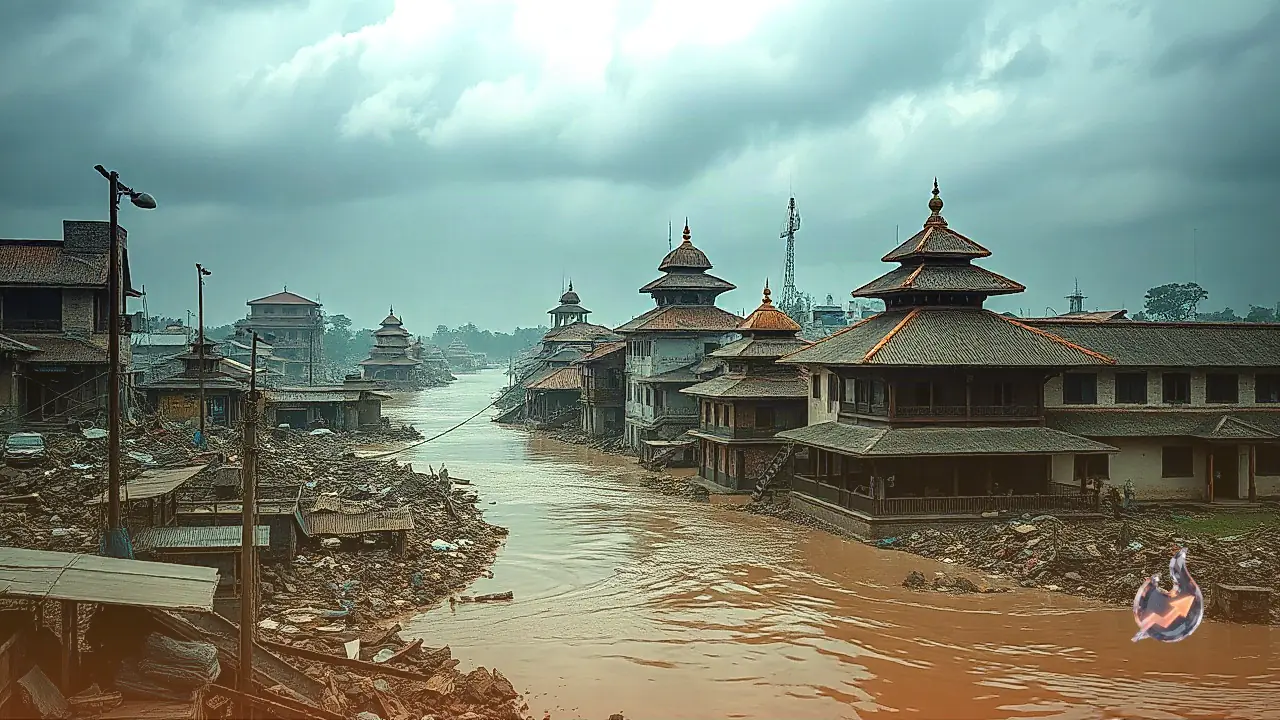
A significant portion of Bangladesh consists of dynamic river systems where land erosion and annual flooding make permanent brick-and-mortar infrastructure highly impractical. To overcome these harsh geographical barriers, Runa Khan conceptualized floating healthcare facilities built directly on specialized vessels. These floating hospitals travel along complex river channels, bringing doctors, essential medicines, and medical care straight to isolated island dwellers. Furthermore, recognizing that floodwaters regularly destroy traditional school buildings, her organization developed modular school structures. These unique educational facilities can be fully dismantled and relocated to safer ground within a few hours whenever river erosion or severe flooding threatens the area, ensuring continuous schooling for children without interruption.
Early Life, Heritage, and International Atmosphere in Dhaka
Runa Khan was born on November 7, 1958, in Dhaka, Bangladesh, into an old and distinguished family with historical ties to the traditional landed aristocracy of Bengal. Growing up in a culturally vibrant and intellectual household, her early environment was deeply influenced by global perspectives. Her father's residence regularly hosted international diplomats, spiritual figures, scholars, artists, and progressive thinkers from around the globe. This diverse exposure during her formative years instilled in her a profound understanding of global human rights, cultural nuance, and social responsibility. Despite enjoying an affluent childhood with access to every comfort, she ultimately chose to dedicate her life's work to empowering marginalized rural communities lacking basic survival necessities.
Academic Journey and Executive Training at Harvard
Runa Khan pursued a diverse academic path spanning several renowned institutions across South Asia and North America. She began her primary education at Farmview International School in former Eastern Pakistan before attending St. Denys High School in Murree, Pakistan. She then moved to India for higher education, completing her Bachelor of Arts degree with Honors in Geography from the esteemed Lady Brabourne College in Kolkata. Following this, she earned a second Bachelor’s degree in Humanities from Eden Mohila College in Dhaka. To further refine her institutional governance and leadership capacities, she engaged in executive education programs later in her career. In 2013, she completed the Strategic Perspectives in Nonprofit Management program at Harvard Business School, followed by the Leadership for System Change program at the Harvard Kennedy School in 2018.
Early Professional Trajectory: Teaching, Publishing, and Artisanal Support
Before launching her full-scale social initiative, Runa Khan gained rich experience across multiple sectors. She began her career in 1979 as a kindergarten teacher in Chittagong. During her teaching tenure, she observed that the traditional education system relied heavily on rote memorization rather than fostering critical inquiry and conceptual comprehension among young learners. Driven by a desire to reform learning methodology, she began writing children's books and creating comprehensive teaching resources. Beyond education, she actively engaged in economic empowerment projects. In 1988, she established a specialized boutique aimed at generating sustainable employment for local artisans and craftspeople. She also managed administrative and executive responsibilities at her family's printing and publishing business, Eden Press.
The 1997 Brahmaputra Expedition and the Turning Point
The turning point in Runa Khan's life occurred in 1997 during a visit to the isolated 'char' regions along the Brahmaputra River. In Bangladesh, 'char' refers to temporary sandbar islands created by shifting river currents and severe siltation. The inhabitants of these fragile landforms live in extreme poverty, completely cut off from medical clinics, formal schools, and civic amenities. Observing their severe hardship, Runa Khan realized that if impoverished residents could not travel to mainland hospitals, the medical facilities had to be brought directly to them over water. This core realization formed the blueprint for her signature humanitarian organization.
Establishment of Friendship in 2002 and Multi-Sectoral Impact
In 2002, Runa Khan formally established Friendship to execute her vision. The organization initially deployed custom-fitted river barges converted into fully equipped floating hospitals to serve vulnerable islanders. Over the past two decades, Friendship expanded far beyond healthcare. Under her leadership, the organization now operates comprehensive programs spanning primary and secondary education, climate change adaptation, disaster preparedness and relief, sustainable livelihoods, civic rights protection, and cultural preservation. Today, her model stands as a global benchmark for serving hard-to-reach, climate-impacted populations.