























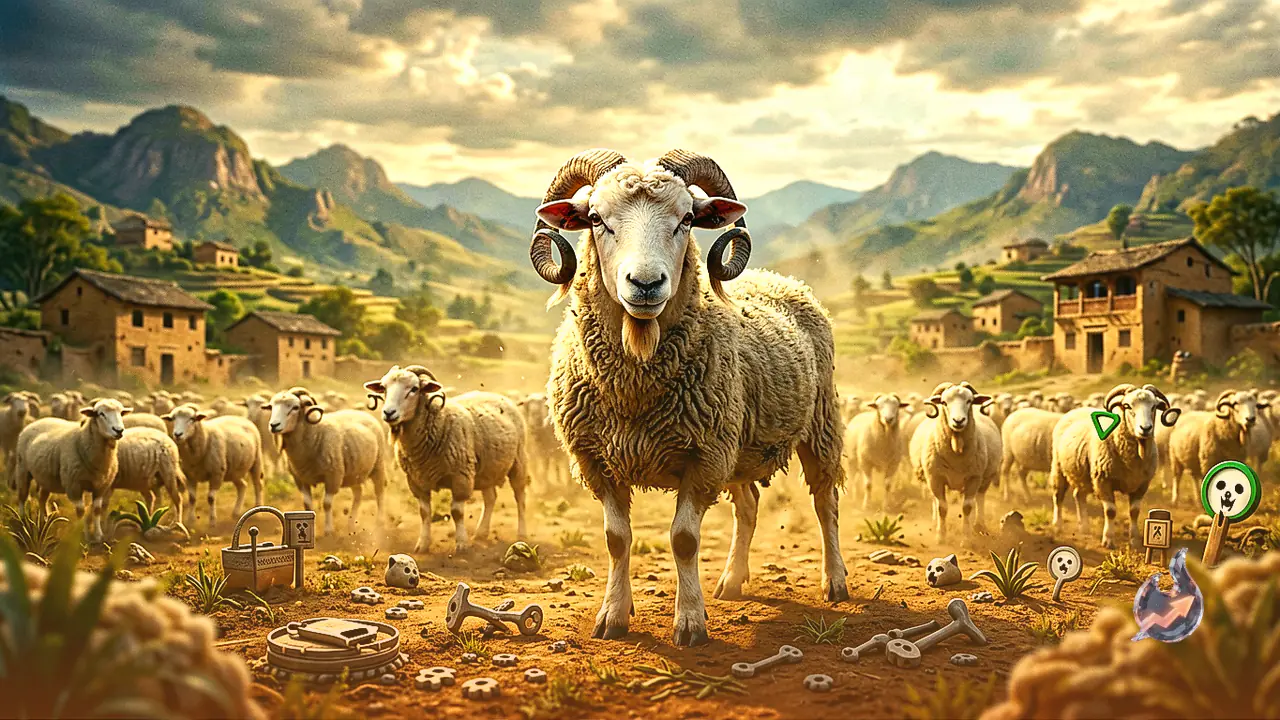

In a major boost to the livestock economy of Assam, the Indian Council of Agricultural Research (ICAR) has officially granted national breed registration status to the indigenous Asomi (Axomi) sheep. This milestone formally includes the native sheep population in the official registry of recognized livestock breeds in India. The recognition opens new avenues for structured conservation strategies, scientific research, and sustainable development of native animal genetic resources within the northeastern region.
Strengthening Rural Livelihoods and Breed Conservation
The Asomi sheep has long been an integral part of rural farming systems across Assam. Traditionally raised by local farming communities, this indigenous livestock breed has consistently provided crucial income and sustainable livelihood support to smallholder livestock rearers. Known for its strong resilience and natural adaptability to the distinct local climate of Assam, the breed possesses unique physiological traits that enable it to thrive under regional environmental conditions.
Scope for Systematic Breeding and Genetic Research
Securing national registration creates a structured framework for targeted scientific breeding initiatives. Agricultural experts and veterinary researchers can now design dedicated breeding programs focused on genetic enhancement and productivity gains. These research endeavors aim to improve output parameters such as meat yield and reproductive efficiency while carefully preserving the pure genetic traits that define the Asomi sheep's resilience.
Collaborative Documentation and Biodiversity Protection
This national recognition is the outcome of persistent collaborative work by livestock researchers, veterinary professionals, agricultural institutions, and local livestock communities. Together, these stakeholders extensively documented the morphological features, growth patterns, and distinct traits of the Asomi sheep. Beyond agricultural benefits, this achievement underscores the vital importance of safeguarding native animal biodiversity in Northeast India, paving the way for systematic propagation and long-term integration into Assam's agricultural economy.