

















In Sanatan tradition and Indian cultural heritage, a lunar eclipse is viewed not merely as a routine astronomical event, but as a period of profound spiritual sensitivity. According to long-standing folklore and traditional religious beliefs, the environmental energy shifts significantly during an eclipse, potentially influencing the human body, particularly expecting mothers and their unborn children. Consequently, elders in Indian households have historically advised pregnant women to strictly adhere to traditional precautions during eclipse hours. Family members ensure that expecting mothers remain shielded from the perceived shadow and subtle impacts of the eclipse. As the lunar eclipse scheduled for 28 August 2026 approaches, discussions regarding these customs have resurfaced, making it essential to evaluate both the traditional guidelines and the specific astronomical facts regarding its visibility in India.
Negative Energy Concepts and Traditional Protective Guidelines
Traditional beliefs emphasize that during a lunar eclipse, planetary alignments give rise to subtle negative energy flows within the environment. It is widely held that this cosmic phenomenon may exert adverse effects on fetal growth and maternal wellness if proper boundaries are not maintained. Rooted in this cultural understanding, expecting women are advised to stay indoors throughout the eclipse timeline and refrain from stepping outside unnecessarily.
Even within the residential space, keeping doors and windows securely closed or shaded with curtains is recommended to prevent direct exposure to the eclipse environment. Spending these hours in prayer, reading sacred scriptures, or meditating on family deities is believed to foster spiritual protection. According to traditional wisdom, the positive acoustic and mental vibrations generated through chanting sacred texts help neutralize surrounding negative energies.
Restrictions Concerning Sharp and Pointed Implements
A prominent custom associated with lunar eclipses involves a complete prohibition on handling sharp or pointed household items. Cultural guidelines prescribe that pregnant women should avoid touching or using knives, scissors, needles, blades, or any cutting instruments during the eclipse period. This restriction is symbolically linked to the physical integrity and development of the fetus.
Folk belief suggests that employing sharp objects during an eclipse might lead to congenital marks or physical harm to the unborn child. As a result, routine household tasks such as sewing, embroidery, slicing vegetables, or trimming fabrics are strictly paused. Family members actively step in to manage domestic chores, allowing the expecting mother to rest peacefully in a tranquil environment.
Dietary Traditions and Food Handling Customs
Traditional Vedic practices set forth specific rules regarding food consumption and preparation during an eclipse. It is traditionally believed that environmental shifts during the eclipse render cooked food vulnerable to contamination. Therefore, families customarily complete cooking and meal consumption well before the eclipse commences.
To preserve stored water, milk, and prepared food items from symbolic impurity, sacred Tulsi (holy basil) leaves are often placed inside the vessels. Nevertheless, traditional frameworks incorporate pragmatic exceptions for vulnerable individuals, including pregnant women, young children, the elderly, and those with medical conditions. Families frequently arrange light, wholesome nourishment and fresh drinking water for expecting mothers to prevent dehydration or physical exhaustion, ensuring that faith and health remain in harmonious balance.
Sleep Guidelines and Devotional Engagements
Religious customs generally discourage sleeping during eclipse hours, operating on the belief that rest during this phase increases susceptibility to lethargy and negative cosmic influences. Expecting mothers are encouraged to remain awake, maintaining a calm, attentive state centered around devotional reflection.
Chanting reverence-filled hymns, reciting sacred verses like the Gayatri Mantra or Mahamrityunjaya Mantra, or listening to soothing spiritual chants is considered highly beneficial. If sitting upright for an extended period proves physically demanding for an expecting mother, she may rest in a comfortable posture while keeping her mind focused on gentle prayer. The overarching goal is to maintain emotional tranquility and mental positivity throughout the event.
Post-Eclipse Purification Customs and Charitable Offerings
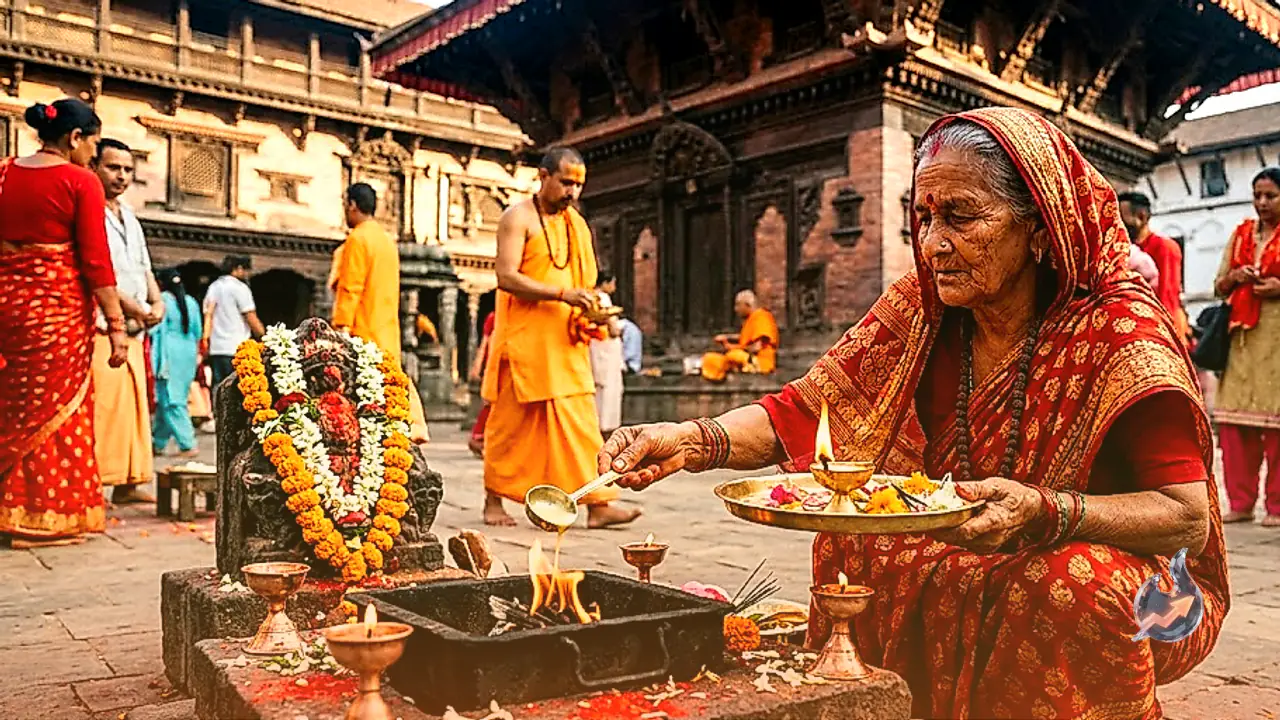
Following the conclusion of a lunar eclipse, traditional texts outline specific cleansing rituals for the household and its residents. Once the eclipse phase passes, expecting mothers and family members take a ritual bath with clean water. Wearing fresh attire, they proceed to clean the home shrine and sprinkle holy Ganga water throughout the living areas to signify spiritual purification.
With the home cleansed, traditional lamps are lit, and ceremonial prayers are offered to family deities. Furthermore, engaging in charitable donations post-eclipse is considered a deeply virtuous act. Families distribute food grains, clothing, sesame seeds, jaggery, or financial assistance to those in need. Any cooked food remaining from before the eclipse is typically discarded, and fresh, wholesome meals are prepared following the bath and prayer rituals.
Essential Do's and Don'ts Checklist for Pregnant Women
Based on traditional cultural practices, key recommendations for expecting mothers during an eclipse include
- Remain Indoors: Avoid stepping outdoors or exposing yourself to the open sky during the eclipse duration.
- Avoid Sharp Implements: Refrain from using knives, scissors, needles, or any sharp cutting tools.
- Pause Crafting and Cutting Tasks: Suspend activities involving sewing, embroidery, or cutting materials.
- Engage in Prayer and Chanting: Recite sacred mantras, read uplifting literature, or meditate quietly.
- Perform Post-Eclipse Cleansing: Take a purifying bath immediately after the eclipse ends and sprinkle Ganga water across the home.
- Consume Fresh Meals and Donate: Prepare fresh food after purification and offer charity to the underprivileged according to your capacity.
28 August 2026 Lunar Eclipse: Visibility and Sutak Period Status in India
While understanding cultural traditions is meaningful, aligning them with verified astronomical details is equally vital. The lunar eclipse occurring on 28 August 2026 will not be visible anywhere in India. According to established astrological and scriptural principles, when an eclipse is not visible in a given geographic region, the Sutak period does not take effect there.
Consequently, residents of India are not subject to any religious restrictions, taboos, or Sutak rules regarding the 28 August 2026 lunar eclipse. The auspicious festival of Rakshabandhan, celebrated on the same day, remains entirely unaffected by any eclipse-related prohibitions. Devotees and families across India can celebrate Rakshabandhan with full joy and traditional enthusiasm without any apprehension. Expecting mothers in India are likewise free from any religious compulsion to observe eclipse fasts or strict physical restrictions on this date.