





















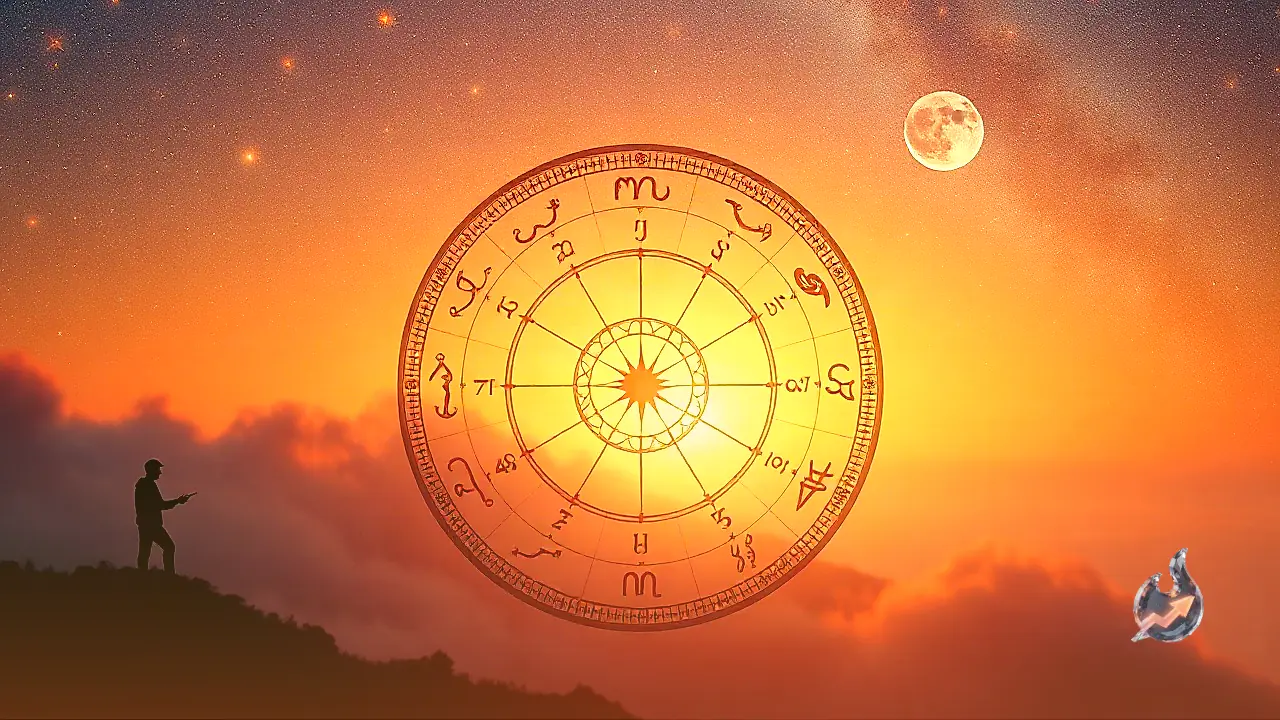
The festival of Raksha Bandhan will be celebrated on 28 August 2026. This year's celebrations have drawn significant attention due to a cosmic occurrence, as the final lunar eclipse of the year coincides with the festival. This overlap has raised queries among devotees regarding whether the eclipse will disrupt traditional rituals, worship, or the tying of Rakhi, and whether Sutak rules will come into effect. According to astronomical and astrological calculations, Shravana Purnima begins on the morning of 27 August and concludes on the morning of 28 August. Since the Purnima Tithi ends around 9:48 AM on 28 August, the festival will be observed on 28 August as per Udaya Tithi traditions.
Purnima Tithi and Bhadra Timing Analysis
In Hindu rituals, checking the presence of Bhadra during Raksha Bandhan is essential, as tying Rakhi during Bhadra is traditionally avoided. As per the panchang computed for Delhi, the auspicious window for tying Rakhi on 28 August starts at 5:57 AM and ends at 9:48 AM. Importantly, Bhadra will end before sunrise on 28 August. This guarantees that the morning auspicious period remains entirely free from any Bhadra shadow, allowing families to perform the ritual without conflict. Because sunrise timings differ slightly across various cities, minor localized adjustments of a few minutes in the auspicious time may occur.
Lunar Eclipse Schedule and Visibility Status
Understanding the exact schedule and astronomical positioning of the lunar eclipse helps clarify its impact. The partial lunar eclipse scheduled for 28 August will begin at approximately 8:04 AM IST and end at 11:22 AM IST. However, during these hours, the Moon will remain positioned below the horizon across the Indian subcontinent. As a consequence of being below the horizon, this partial eclipse will not be visible anywhere in India.
Sutak Rules and Religious Validity
Under religious scriptures and astrological tenets, the rules of Sutak apply exclusively to regions where an eclipse is physically visible to the naked eye. Since this partial lunar eclipse remains invisible across India, no Sutak restrictions will take effect in the country. Consequently, there will be no prohibition or constraint on holding festive celebrations, carrying out religious rituals, or tying Rakhi within the auspicious window. Nevertheless, individual families adhering to specific local custom dictates or regional calendar recommendations may follow their established domestic traditions.
Optimal Window for Rakhi Rituals
For residents in Delhi and the surrounding National Capital Region, the time frame between 5:57 AM and 9:48 AM offers the best period to perform Rakhi ceremonies. Tying the thread before 9:48 AM is recommended because the Purnima Tithi concludes precisely at that point. Although the astronomical event coincides with the festival date, its lack of visibility in India removes any cause for concern. Sisters can comfortably tie the sacred thread on their brothers' wrists during the morning auspicious hours.