


















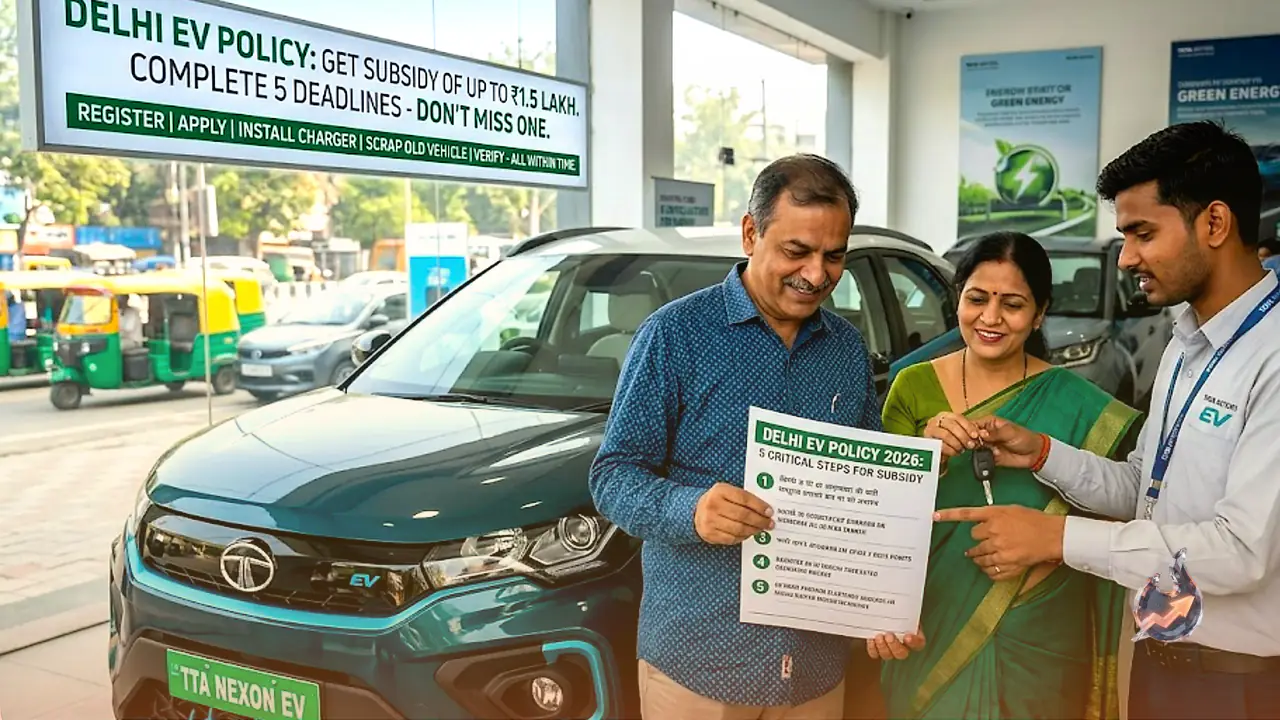

Delhi's revamped electric vehicle policy came into force this month and will remain in place until March 2030, and buyers who skip its paperwork trail risk losing out on thousands of rupees in incentives. The Delhi EV Policy 2026 pairs generous purchase incentives with a strict, time-bound claims process, and missing any one of the five steps involved can leave a buyer's subsidy stuck in limbo.
What the policy promises
The Delhi government has earmarked close to ₹15,000 crore for the rollout, with a large share going toward developing more than 30,000 EV charging points across the city. Beyond the charging push, the policy bundles together purchase incentives, a full waiver on road tax and registration fees, a separate incentive for scrapping old vehicles, and a phased ban on ICE vehicles. The government wants electric vehicles to account for 95 percent of all new registrations by 2027, and it plans to stop registering new petrol or CNG two-wheelers altogether from 2028. All incentive payouts will run through a dedicated online portal using Direct Benefit Transfer, or DBT, a move meant to keep the process transparent and easy to track.
Step one: confirm the model is approved before you book
Before booking a new electric vehicle, buyers need to confirm with their dealer that the specific model is approved by the Delhi government's Model Approval Committee. Under the rules, dealers are required to inform buyers about their subsidy eligibility at the time of booking itself. It's worth noting that only pure electric vehicles qualify for the subsidy, hybrid vehicles get no discount at all under this policy.
Step two: registration triggers the tax waiver, and the clock starts
Once the vehicle is purchased, Delhi's Transport Department carries out its registration, and that's where buyers receive their 100 percent exemption on road tax and registration fees. The moment the vehicle's Registration Certificate, or RC, is officially generated, the countdown for claiming further incentives begins, and the government has set a strict deadline for this.
Step three: register on the online portal within 30 days
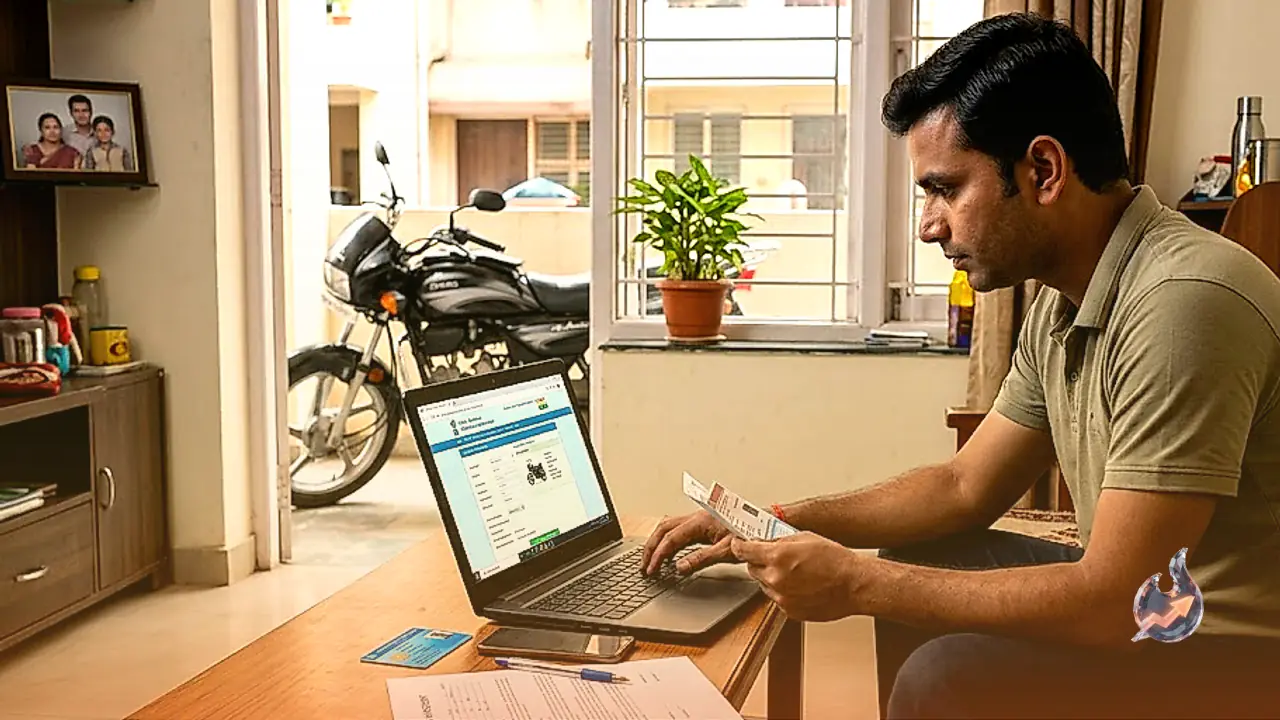
Within 30 days of the RC being generated, buyers must log on to the Delhi government's new dedicated EV Incentive Portal and register themselves. This is a notable change from the earlier policy, where dealers used to fill out the forms on the buyer's behalf. Under the new rules, that entire responsibility shifts to the vehicle owner.
Step four: upload the right documents to claim the subsidy
After logging into the portal, buyers need to fill in their vehicle's details, including the RC number and chassis number. Anyone who owned an older BS-IV or earlier vehicle and got it scrapped can claim a scrappage incentive of up to ₹1 lakh, but only after uploading a valid scrapping certificate. Buyers also need to correctly enter their Aadhaar card details and bank account information, including a cancelled cheque or passbook copy.
Step five: verification, then the payout within 60 days
Every application gets checked by both the Transport Department and the Public Financial Management System, or PFMS. The government describes the process as fully transparent, and if all documents check out, the subsidy amount is credited directly to the buyer's Aadhaar-linked bank account via DBT within 60 days of the application date.
The catch: a three-year lock-in on your subsidy
There's an important condition buyers should keep in mind. Anyone who avails any kind of financial subsidy or incentive under the Delhi EV Policy 2026 will not be able to get a No Objection Certificate, or NOC, to transfer or re-register that vehicle outside Delhi for three years from the date of purchase. In effect, the government is placing a three-year lock-in period on every subsidised vehicle.