






















The Delhi EV Policy 2026 has officially come into effect, marking a transformative transition towards making the national capital pollution-free by March 31, 2030. Chief Minister Rekha Gupta described this newly implemented strategy as a monumental milestone in the city's fight against environmental degradation. Under this revamped framework, purchasers of electric two-wheelers will be eligible for a subsidy of up to 30,000 rupees during the inaugural year, while those opting for electric three-wheelers can claim an incentive of 50,000 rupees.
Additionally, the policy introduces a scrapping incentive of 1 lakh rupees designed specifically for owners of older BS-IV four-wheelers who choose to transition to cleaner alternatives. For consumers looking to purchase electric vehicles with an ex-showroom value of up to 30 lakh rupees, the government is offering a complete exemption on both road tax and registration fees, making the transition to electric mobility financially attractive.
Crucial Change in Subsidy Claim Process
Alongside these financial benefits, a major structural revision has been introduced regarding how these subsidies are disbursed. Previously, automobile dealerships assumed the responsibility of managing all the necessary paperwork and filing the subsidy requests on behalf of the buyers at the time of purchase. However, this system has been completely phased out. Vehicle owners must now take charge of the process themselves.
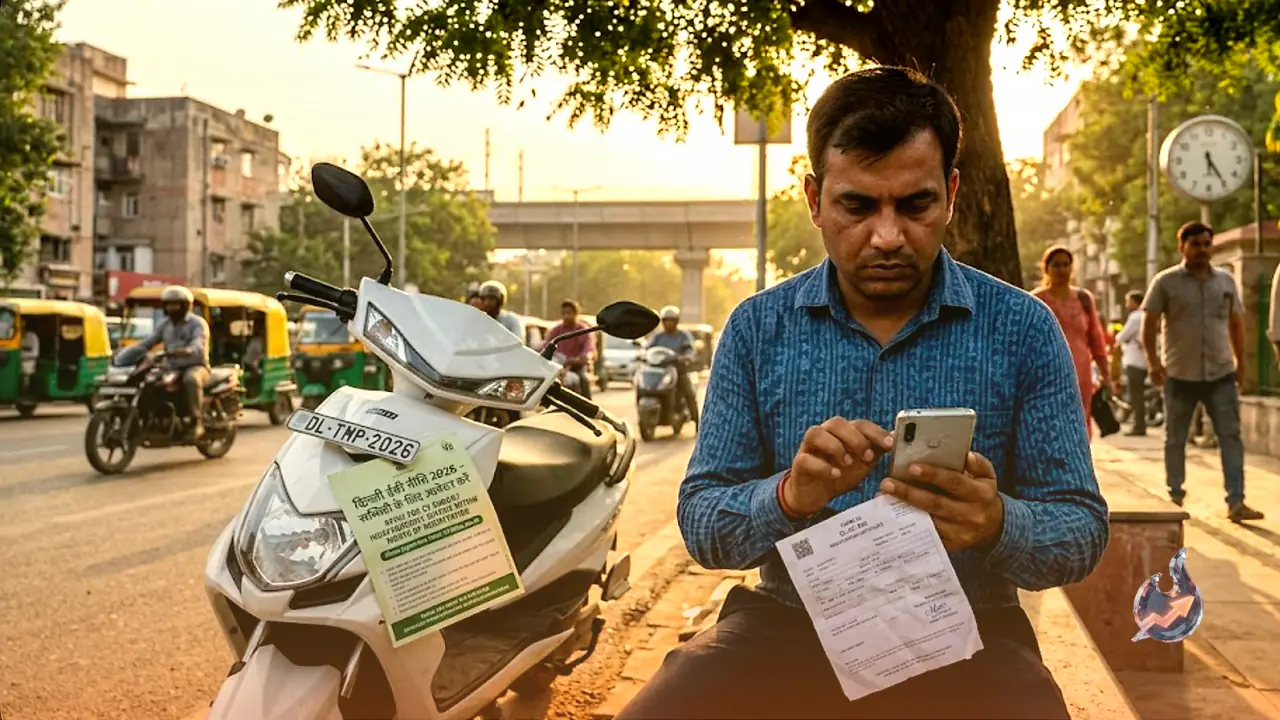
To secure the government incentives, buyers must submit an application on a specialized online portal within exactly 30 days from the date of issuance of the vehicle's registration certificate (RC). Failing to complete this self-application within the strict 30-day window will result in the forfeiture of the subsidy, meaning buyers will lose out on the financial assistance entirely.
Direct Bank Transfers and Portal Launch
The Delhi transport department is preparing to launch a dedicated online platform within a week to facilitate this process. This portal will serve as the primary gateway for submitting, processing, and digitally tracking all EV subsidy claims.
Once the platform goes live, buyers can complete their registration and upload the necessary details to claim their incentives. Following successful verification and approval by the transport department, the entire subsidy amount will be transferred directly to the beneficiary's bank account. This financial disbursement will be managed through the central government's Public Financial Management System (PFMS), and the funds will only be sent to bank accounts that are actively linked with the recipient's Aadhaar card.
Varying Incentives and Real-Time Charging Dashboard
While the first-year benefits for two-wheelers are set at 30,000 rupees, buyers should note that the subsidy structure is designed to offer the highest financial rewards in the initial phase. For electric cars, the 100 percent waiver on road tax and registration charges remains applicable for vehicles priced under the 30 lakh rupees threshold.
To further enhance the convenience of electric vehicle drivers in the capital, the Delhi government is in the process of developing a comprehensive real-time EV dashboard. This mobile-accessible system will allow drivers to check the status of local charging infrastructure before leaving their homes. The dashboard will provide precise coordinates for charging stations, the exact number of active charging points, real-time power capacities, and an estimated waiting time at each location, effectively eliminating charging anxiety for EV users.