
























Purchasing car insurance is not just a legal formality required under the Motor Vehicles Act, but it serves as your primary financial shield against unforeseen accidents, vehicle theft, natural disasters, or unexpected mishaps. Selecting the correct policy protects you from sudden road expenses and unnecessary legal hassles. In today's market, vehicle owners face a bewildering array of choices ranging from basic third-party cover to extensive comprehensive plans and various add-on options, making it somewhat confusing to pick the right policy.
Choosing the right coverage requires a careful evaluation of your driving habits, the age of your vehicle, your budget, and potential road risks. A thoughtfully chosen policy provides mental peace alongside quick claim settlement and appropriate coverage during emergencies, ensuring that your finances do not face extra strain.
The market primarily offers three distinct types of insurance choices, and understanding them helps you make an informed decision tailored to your requirements. Let us examine each one of these options in detail.
Third-party car insurance remains a legal mandate required for every vehicle driver on the road. If your vehicle causes physical injury to another person, results in their unfortunate death, or damages someone else's property, this policy covers the financial liabilities owed to that third party. However, it provides zero coverage for damages sustained by your own vehicle.
Comprehensive car insurance is a broader policy that covers third-party liabilities alongside damages inflicted upon your own car due to accidents, fire, theft, riots, or natural calamities like floods. Policyholders can strengthen their safety net by incorporating various custom add-ons as per their specific needs.
Standalone own damage cover is an insurance option that safeguards solely against physical damage sustained by your personal vehicle. Owners typically purchase this separately alongside the mandatory third-party policy to secure comprehensive yet economical protection.
Add-on covers function as extra protective shields that motorists can attach to their comprehensive policy by paying a slightly higher premium. These include crucial and highly useful choices such as zero depreciation, engine protection, roadside assistance, and return to invoice.
Every vehicle owner possesses unique requirements, driving styles, and financial conditions, meaning a single policy format does not suit everyone universally. Let us explore which specific car insurance type suits different categories of vehicle owners best.
For older cars or vehicles with minimal usage, if your car is quite aged with a heavily depreciated market resale value or you drive it only a few times per month, third-party insurance proves to be the most economical choice. It keeps premiums low while effortlessly fulfilling legal obligations.
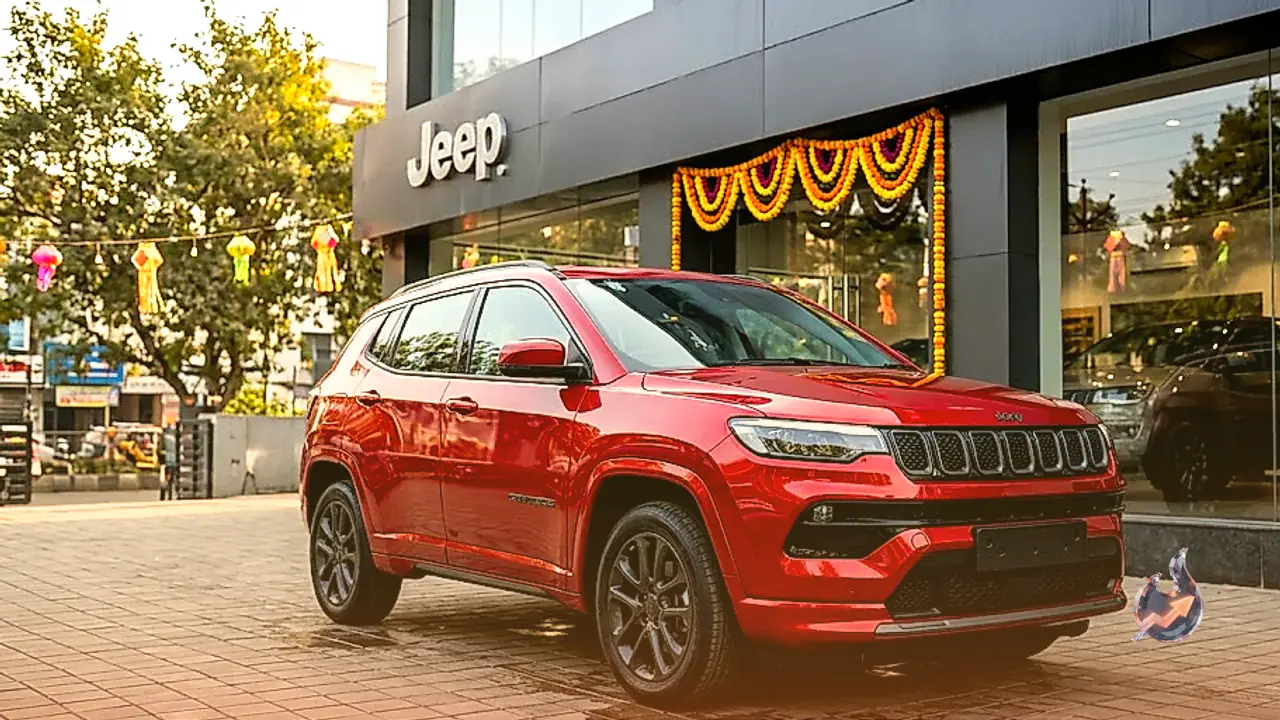
For new or luxury vehicles, purchasing a comprehensive insurance policy remains the ideal approach if you recently bought a brand-new car or own an expensive model. Modern luxury cars feature exceptionally expensive spare parts, and repair bills resulting from any collision can run extremely high, which this policy manages completely.
For daily city commuters navigating heavy traffic congestion in metropolitan areas, opting for a comprehensive policy bundled with zero depreciation and roadside assistance add-ons becomes almost essential. This ensures complete claim payouts when replacing plastic, fiber, or metal components without draining out-of-pocket funds.
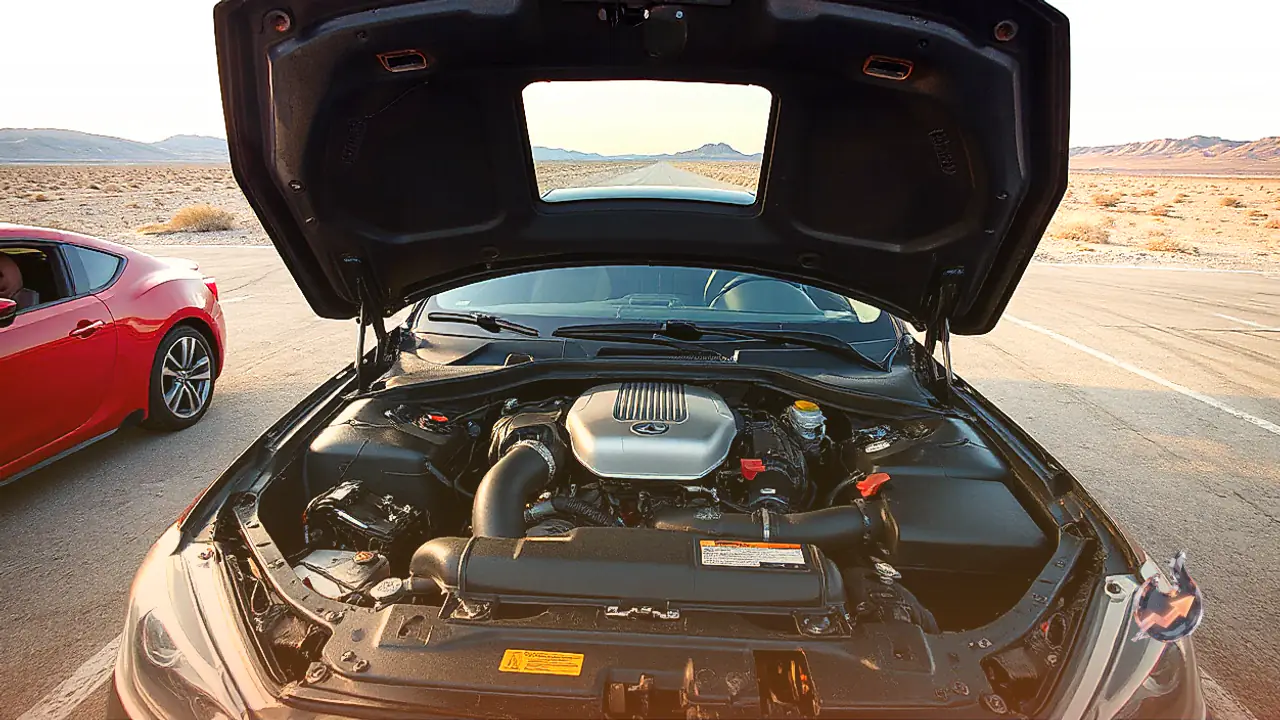
For residents living in flood-prone or waterlogged regions where monsoon downpours submerge streets heavily, purchasing an engine protection cover alongside the comprehensive plan is vital. This safeguard prevents massive repair expenses if water ingress causes total engine seizure.
When finalizing your car insurance policy, rather than focusing solely on lower premium rates, pay close attention to the insurer's claim settlement ratio, cashless garage network, and customer service quality to guarantee prompt assistance whenever emergencies arise.