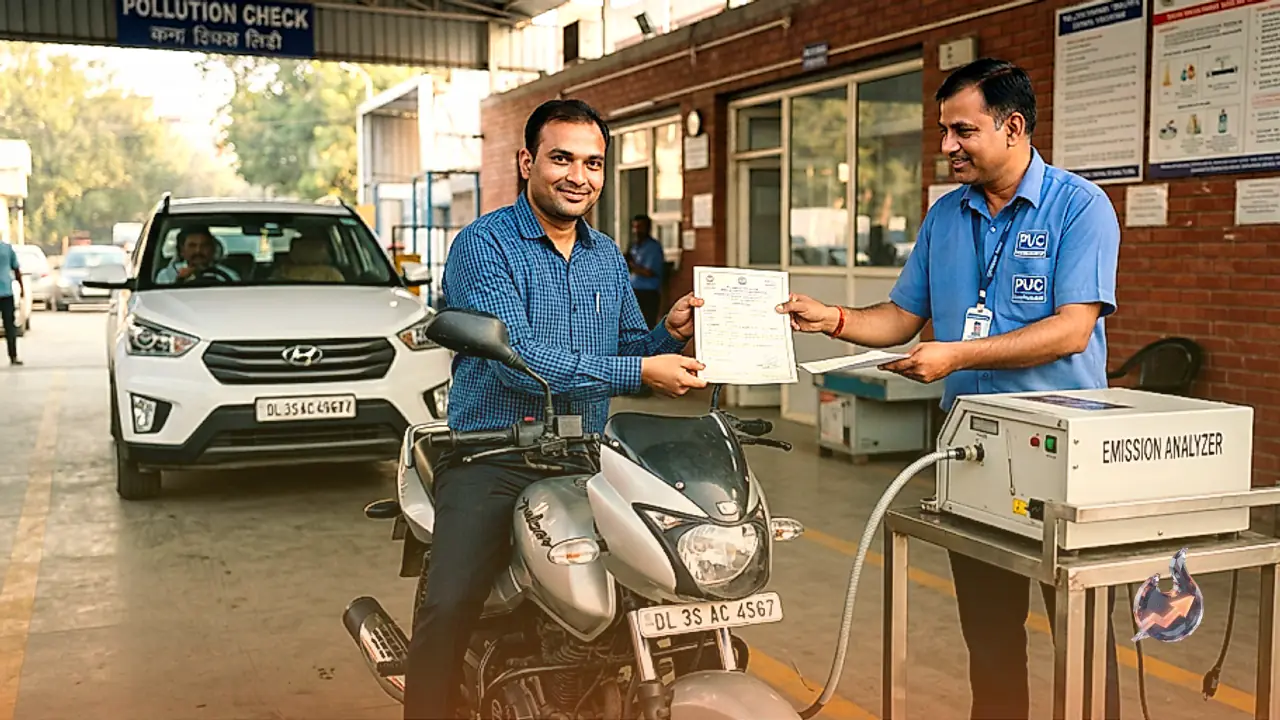

The Ministry of Road Transport and Highways has modified motor vehicle regulations to introduce significant changes in the validity period of Pollution Under Control certificates. This updated framework aims to strengthen environmental protection measures and make vehicle emission controls far more effective across the board. By streamlining these timelines, the administration intends to ease the frequency of testing for owners of newer, low-emission automobiles.
Under the revised guidelines, private BS-6 vehicles that are up to six years old will now require a PUC certificate renewal only once every three years. Meanwhile, commercial transport vehicles falling within the same six-year age bracket for BS-6 standards have been assigned a validity period of two years. This distinction allows the authorities to maintain strict oversight on commercial transport while reducing repeated bureaucratic hurdles for private commuters.
The validity duration varies significantly depending on the age category and emission standard of each vehicle. According to the structural proposals, BS-1, BS-2, and BS-3 specification vehicles will carry a PUC validity of just 3 months. In addition, vehicles that are older than 10 years face a restricted validity of 6 months to ensure frequent monitoring of older fleets that generally emit higher pollutant levels.
The administrative guidelines surrounding the renewal process itself are also undergoing modifications. As per the ministry framework, if a vehicle owner completes the renewal within a 10-day window prior to the expiry of the current PUC certificate, the validity of the newly issued document will commence directly from the exact expiration date of the previous one. Conversely, if the renewal is initiated after the certificate's validity has already lapsed, the new duration will start counting strictly from the date of actual renewal.
Regarding certificates issued prior to the formal implementation of these updated regulations, the revised validity periods will apply retrospectively from their preceding renewals. Authorities have emphasized that these proposed adjustments are designed to lift the burden of repetitive testing cycles from owners of modern, cleaner automobiles while preserving stringent surveillance over older, high-polluting vehicles on the road. These changes remain proposed modifications for now and will become fully enforceable only after the formal rules take effect.