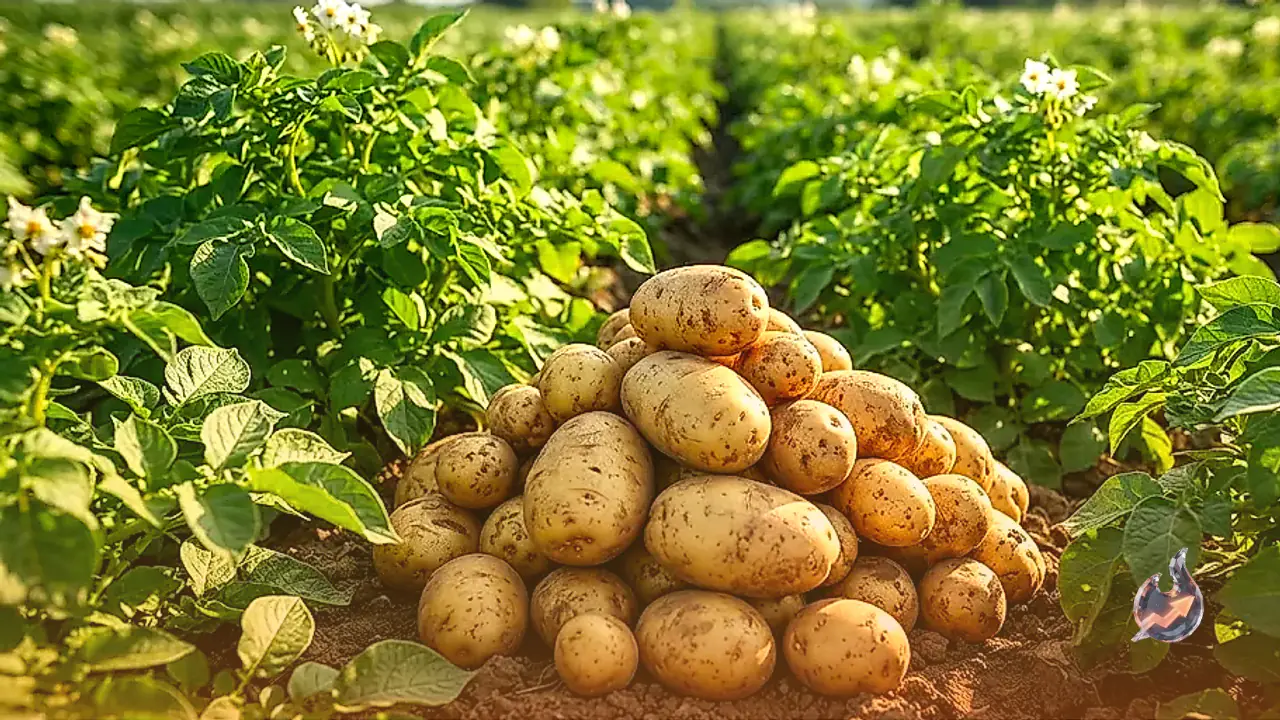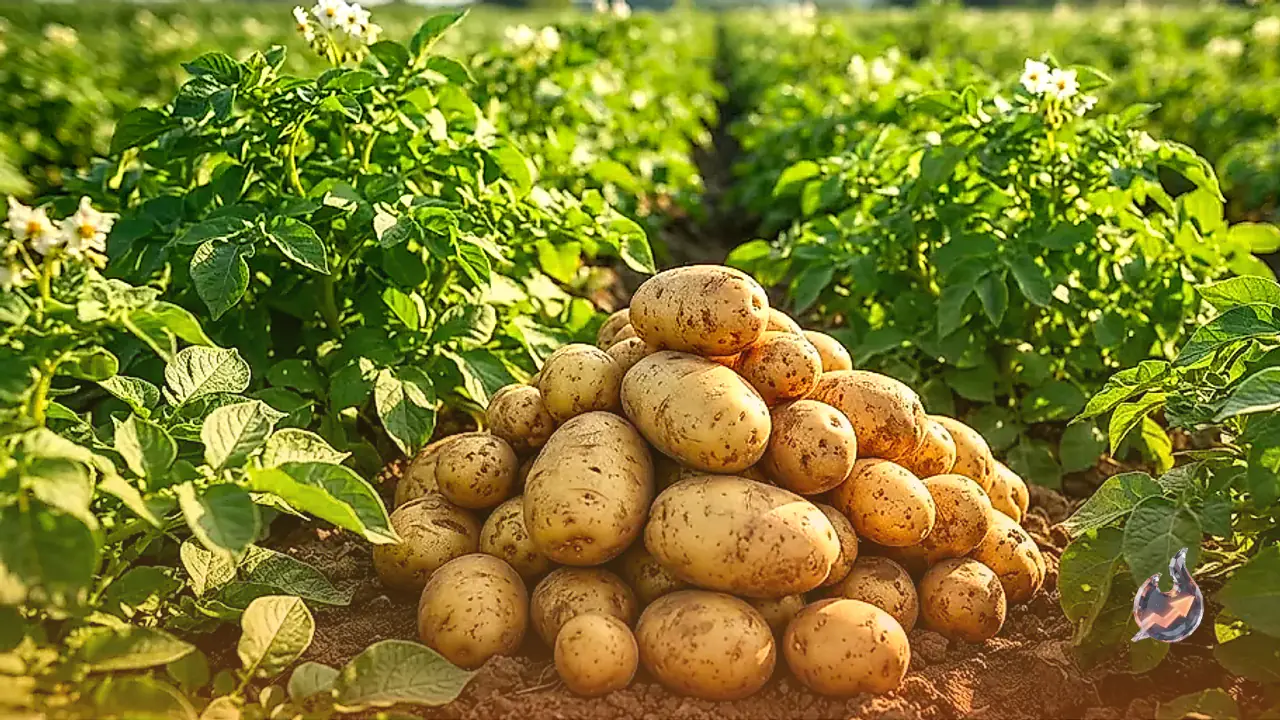

Potato cultivation can serve as a highly lucrative income source for farmers. However, achieving superior yields requires more than just basic land preparation and fertilizer application, as choosing advanced varieties is equally vital. When farmers select the correct varieties and practice scientific farming, they can significantly boost their agricultural output. Farmers who currently harvest around two क्विंटल of potatoes per katha can target scaling this up to four quarters through better seeds and proper management practices.
Selecting Disease-Free Seeds And Right Sizes
Dr. Pramod Kumar, an agricultural scientist at the Regional Research Station Chianki in Palamu district, explained that potato farming must begin with the selection of high-quality and disease-free seeds. Farmers should utilize advanced potato varieties for their cultivation needs. Opting for small-sized tubers as seeds proves to be a better approach. It is also important to ensure that each tuber features at least one to two healthy eyes. If farmers prepare seeds by cutting larger potatoes, treating the cut surfaces becomes strictly necessary to reduce the risk of fungal infections.
For effective seed treatment, agricultural experts recommend using Mancozeb or Indofil M-45. A solution should be prepared by mixing three grams of the chemical per liter of water to treat the seeds properly. Once treated, the seeds must be thoroughly dried before planting them in the fields. This practice minimizes the chances of seed rotting and early-stage infections, which ultimately results in higher and more profitable crop yields.
Balanced Fertilizer Application And Potash
Nutrient management plays a crucial role in potato farming. Specifically, the application of potash must not be overlooked because it plays a primary role in tuber development and overall crop quality. Nevertheless, nitrogen, phosphorus, and potash should be applied in balanced quantities based on soil testing and the actual requirements of the crop. Overusing fertilizers can damage the harvest rather than increasing production.
Preventing Late Blight Disease In Winter
Protecting the potato crop from late blight disease during the winter season is essential. When this disease strikes, brown or black spots begin to appear on the leaves. To control this condition, farmers can apply Indofil M-45 based formulations. Typically, spraying at a rate of 2.5 grams per liter of water is recommended, though the exact dosage may vary depending on the severity of the disease and instructions on the product label.
Choosing Varieties Based On Maturity Duration
Farmers can select from various potato varieties that mature over different time frames depending on their specific needs. Kufri Ashoka matures in approximately 70 to 80 days, while Kufri Chandramukhi takes around 80 to 90 days to get ready. Kufri Lalima matures in roughly 90 to 100 days, whereas Kufri Sindhuri requires about 110 days to complete its growth cycle. Farmers should make their choices by considering their land type, irrigation facilities, and prevailing market demands.