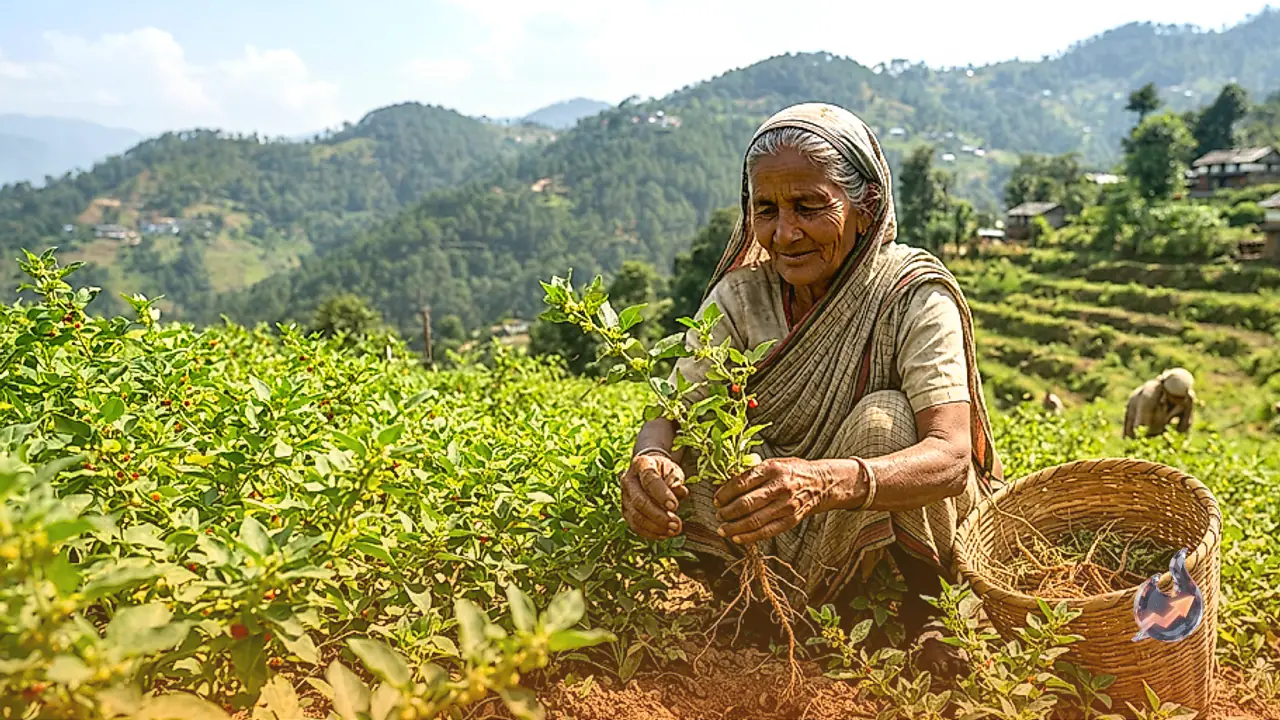

Farming in the hilly regions of Uttarakhand is undergoing a transformation as medicinal crops emerge as a viable and profitable alternative for local cultivators. Among these, the cultivation of Kutki is steadily gaining traction, offering high returns from modest land holdings. Thriving naturally in the Himalayan ecosystems, this valuable medicinal plant is proving instrumental in uplifting the financial status of rural households. The most prominent advantage of this crop is that wild animals such as monkeys and wild boars typically leave it alone, shielding farmers from the constant crop destruction that plagues the region.
Thriving in Cold and High-Altitude Zones
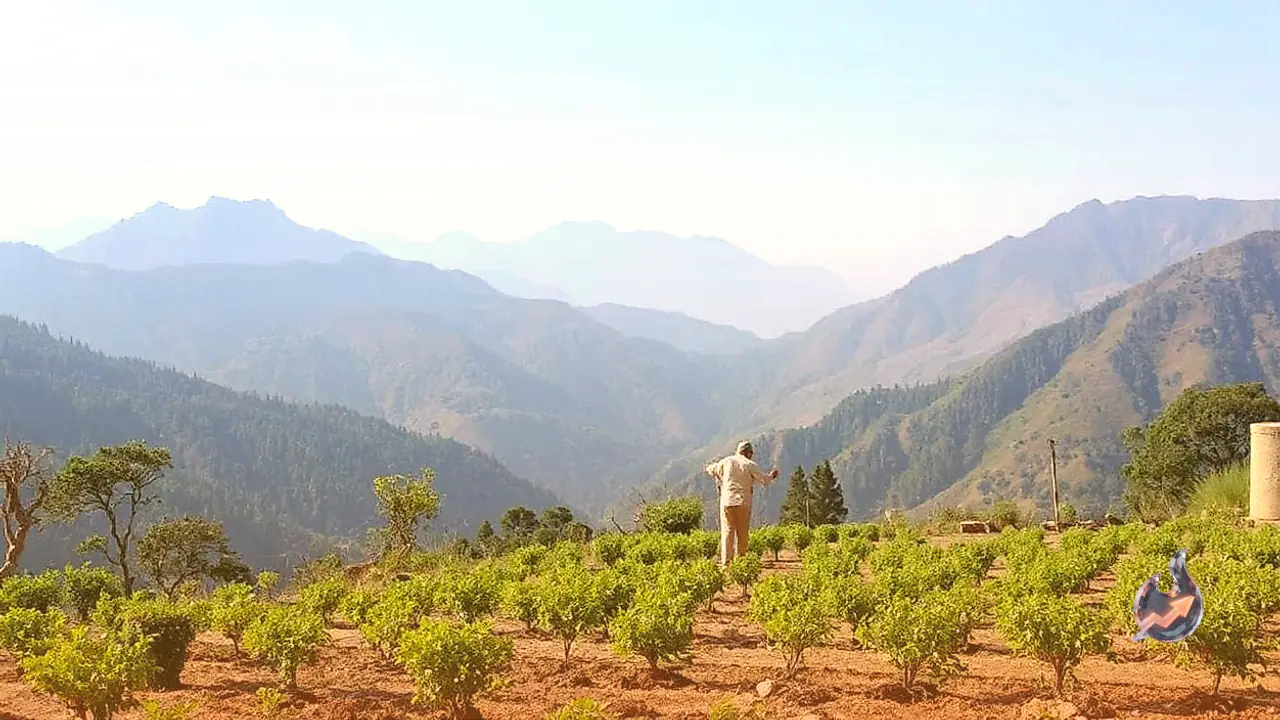
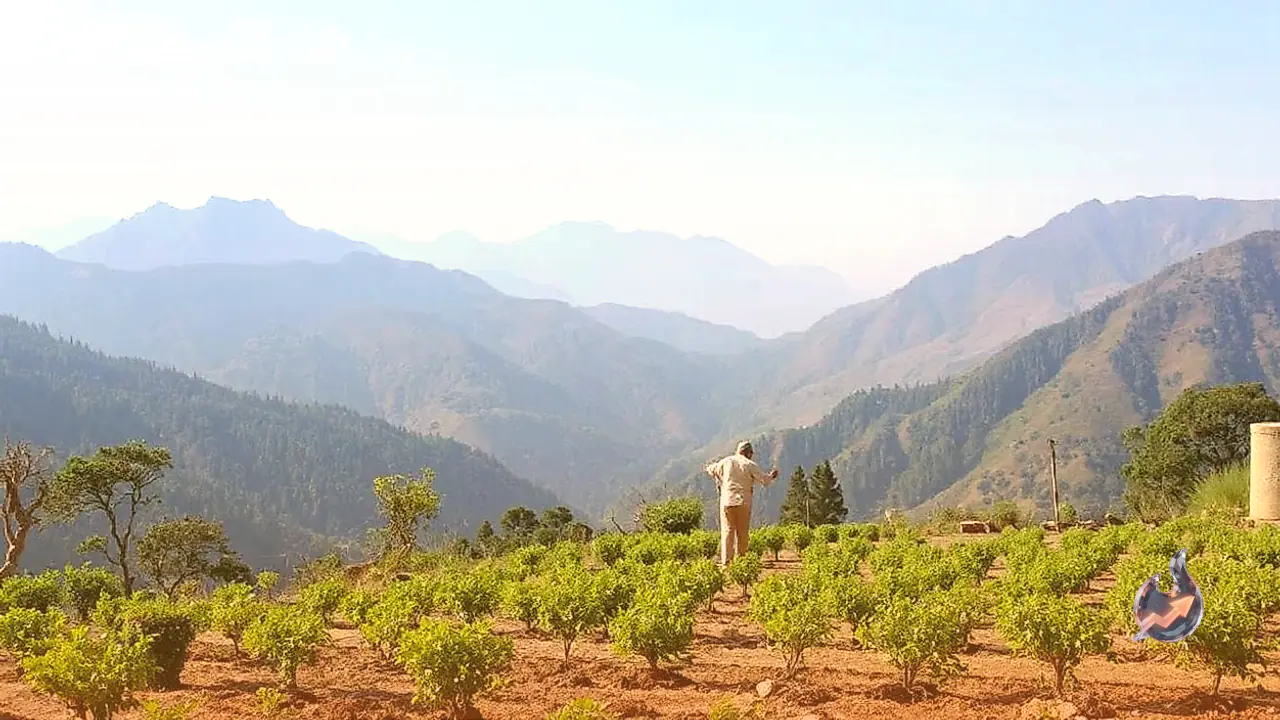
Detailing the agricultural requirements, local cultivator Daya Danu explains that Kutki is primarily cultivated in Himalayan terrain situated at cold high-altitudes ranging from roughly 1000 to 3500 meters above sea level. This prominent medicinal herb finds extensive application in traditional healing systems and indigenous medicine. The natural climate and environmental conditions of the mountains provide a perfect habitat for its growth. It serves as a particularly exceptional choice for farmers who own agricultural plots located at higher elevations where conventional farming faces severe limitations.
Planting Density and Financial Returns
In terms of agricultural layout, approximately 2200 to 2500 plants can be accommodated within a single nali of land. Cultivators must exercise patience and maintain long-term crop care, as the plant takes about two and a half to three years to fully mature. While this production cycle is significantly longer than standard grain crops, the financial outcome makes the wait worthwhile. Available estimates indicate that cultivating this crop across 20 nalis of land can generate a potential sales turnover ranging from roughly 5 lakh to 7.5 lakh rupees. The actual profit will ultimately depend on the harvest yield, product quality, cultivation costs, and prevailing market prices, making it vital for growers to understand market demand and procurement networks beforehand.
Collective Farming and Rural Revitalization
Experts recommend that growers adopt a collective farming approach by forming groups to further expand the reach of Kutki cultivation. Operating in groups simplifies the procurement of planting materials, facilitates the exchange of technical knowledge, and streamlines the transport of produce to consumer markets. Furthermore, establishing direct connections with medicinal plant buyers and processing enterprises is crucial for long-term viability. As wild animals continue to devastate traditional farming across the mountains, crops like Kutki offer a dependable alternative revenue stream. By embracing scientific cultivation methods and securing reliable market channels, farmers can restore neglected land and strengthen the regional agrarian economy.