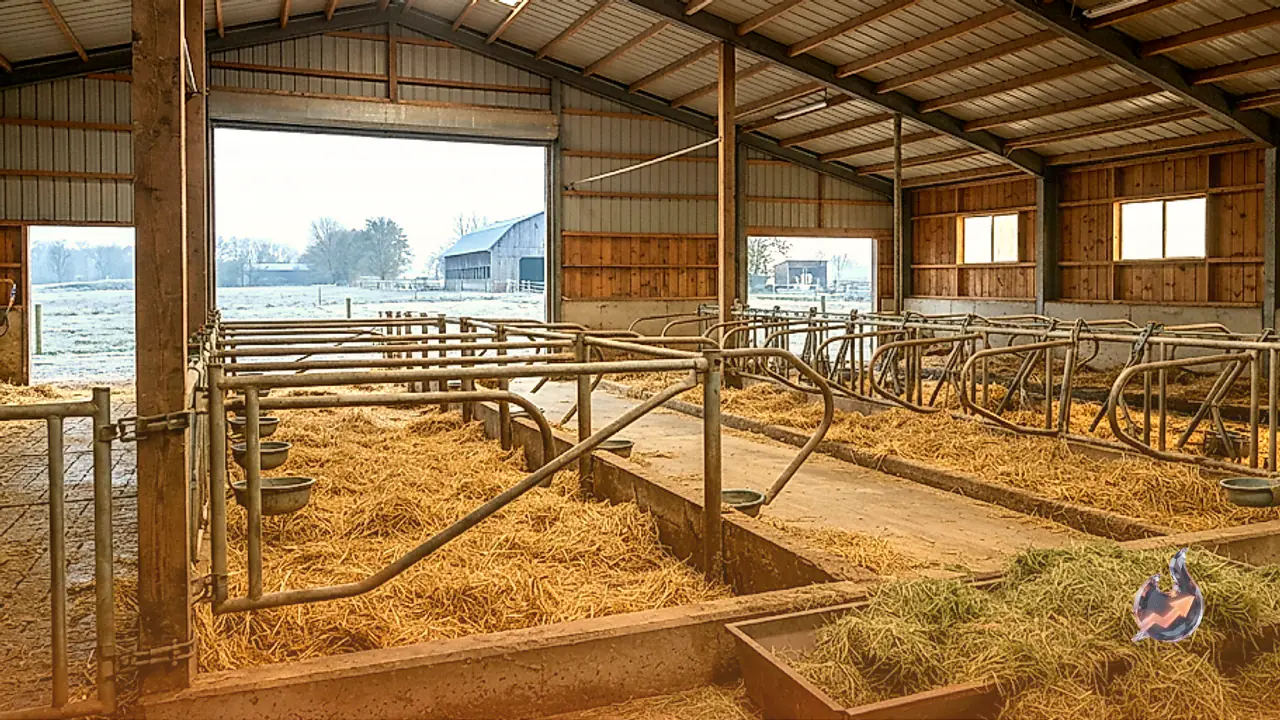

Experts managing livestock health in the Balod region have issued specific warnings regarding the care of dairy animals during the winter season. Leaving milk-producing cows out in the open during chilly nights can severely affect their physical well-being. Even minor negligence in routine management during this period can lead to a drop in overall productivity, causing unexpected hurdles for local cattle owners.
Proper Housing and Ventilation Balance
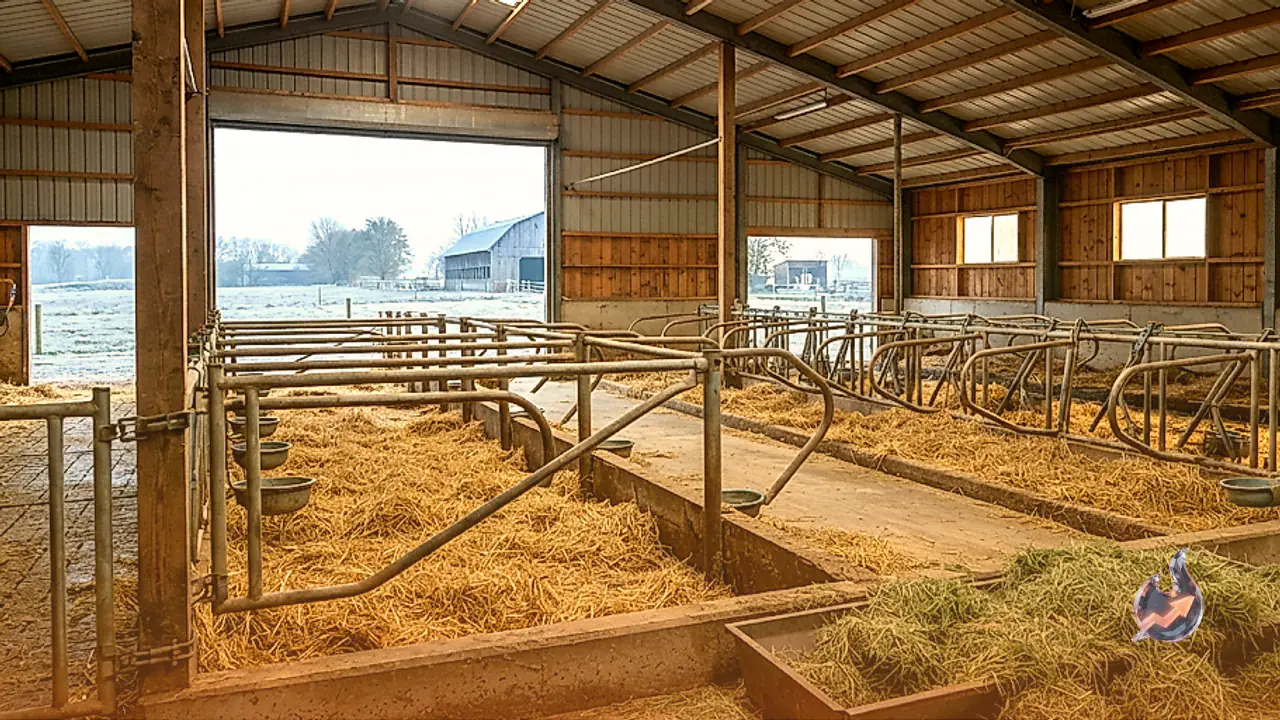
Dr. Neetu Sonkar, a livestock production and management scientist at the Krishi Vigyan Kendra in Balod, explained that while breeds like Sahiwal and Gir do not face extreme complications during winter, basic precautionary steps remain vital. Instead of letting animals stay outdoors overnight, they should be housed securely inside a shed. If the shelter is too open, it should be covered during nighttime hours to block cold drafts. Conversely, allowing sunlight and fresh air into the enclosure during daytime hours ensures adequate oxygen circulation and healthy ventilation for the animals.
The King of Forage: Berseem Cultivation
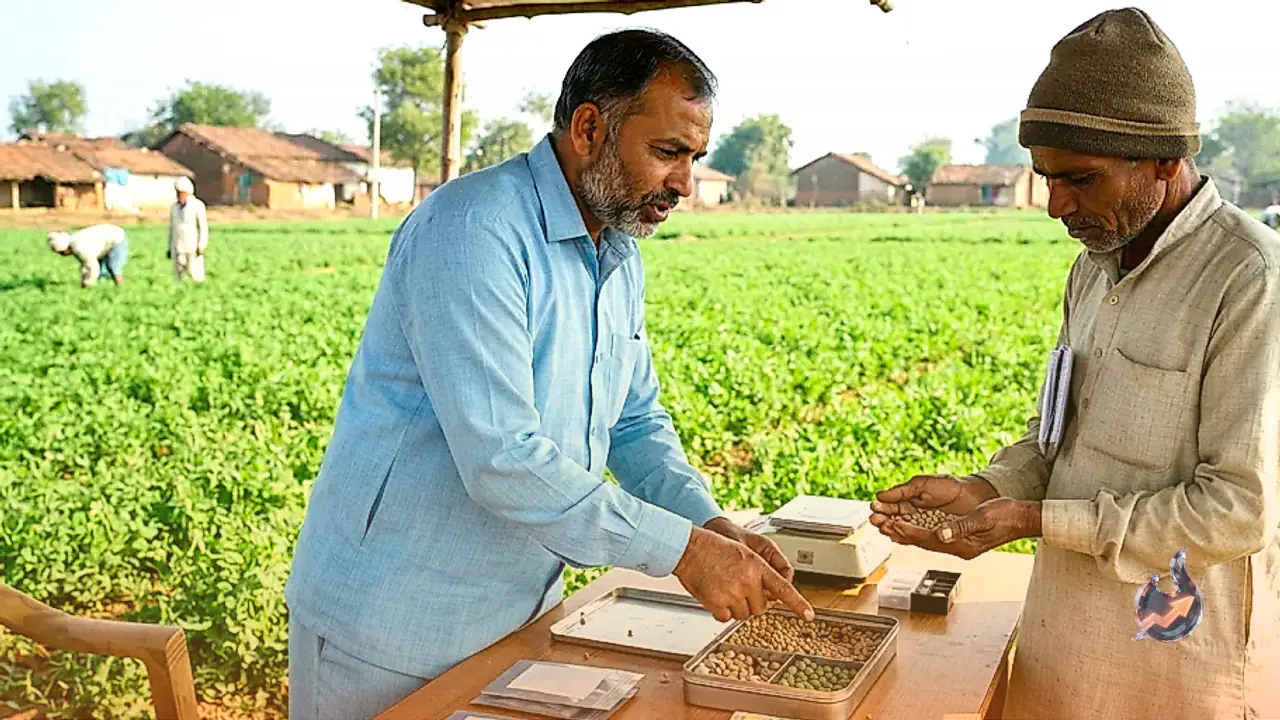
Winter naturally brings an abundance of green fodder and concentrated feed, which directly benefits dairy livestock. During this specific season, cattle owners are encouraged to cultivate berseem in their fields. Widely recognized among agricultural circles as the king of fodder, berseem is packed with nutrients that help enhance daily milk yields. Farmers can easily harvest this nutritious crop two to three times extending all the way through March.
Napier Grass and Daily Nutrition Management
Alongside berseem, integrating Napier grass into daily feeding routines offers another reliable option for maintaining optimal cattle health. A balanced mixture of dry feed and fresh green grass is indispensable for robust milk production. Furthermore, Napier grass remains a valuable forage alternative even when summer arrives later in the year. By combining proper shelter, sunlight, fresh airflow, and high-quality green fodder, animal caretakers can successfully safeguard livestock health while maximizing dairy output.