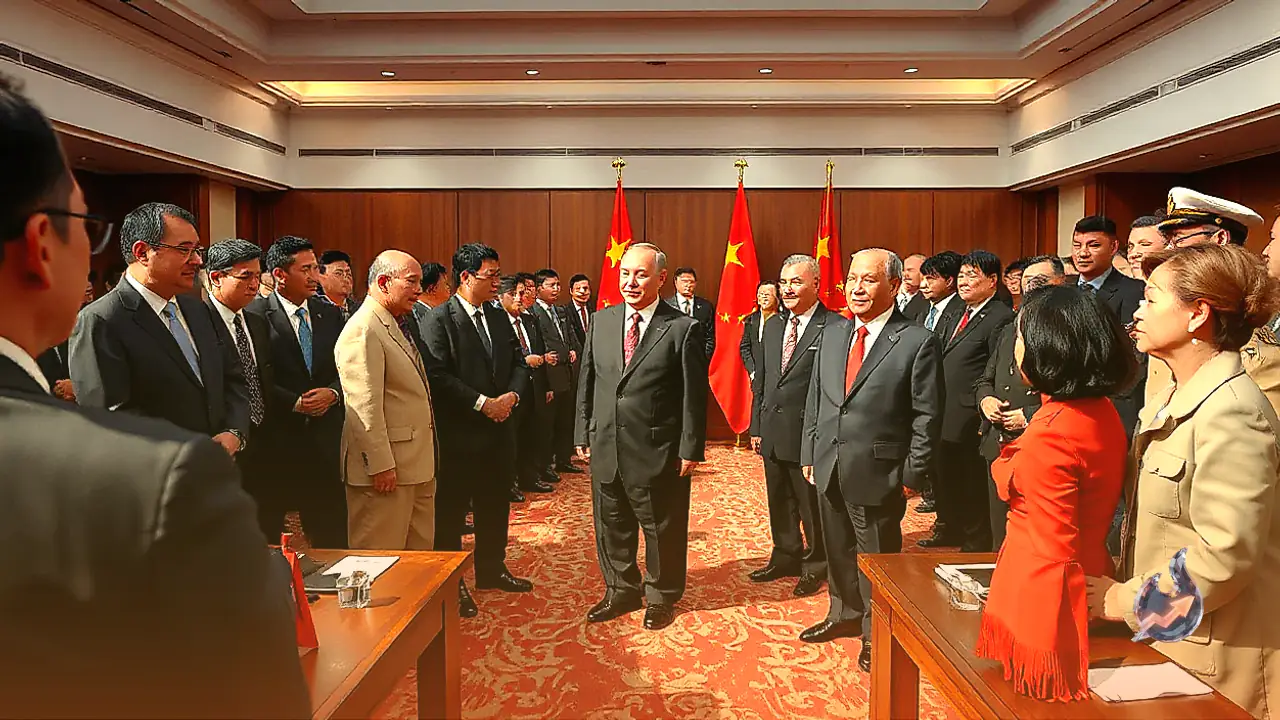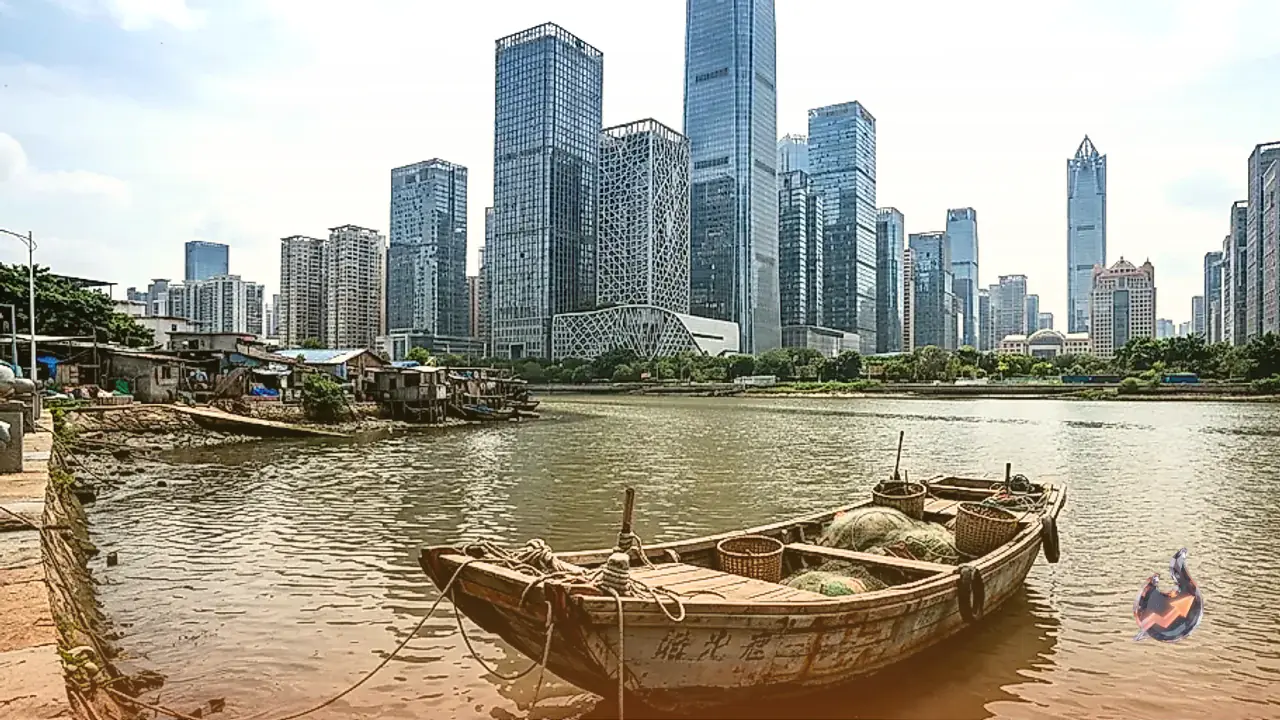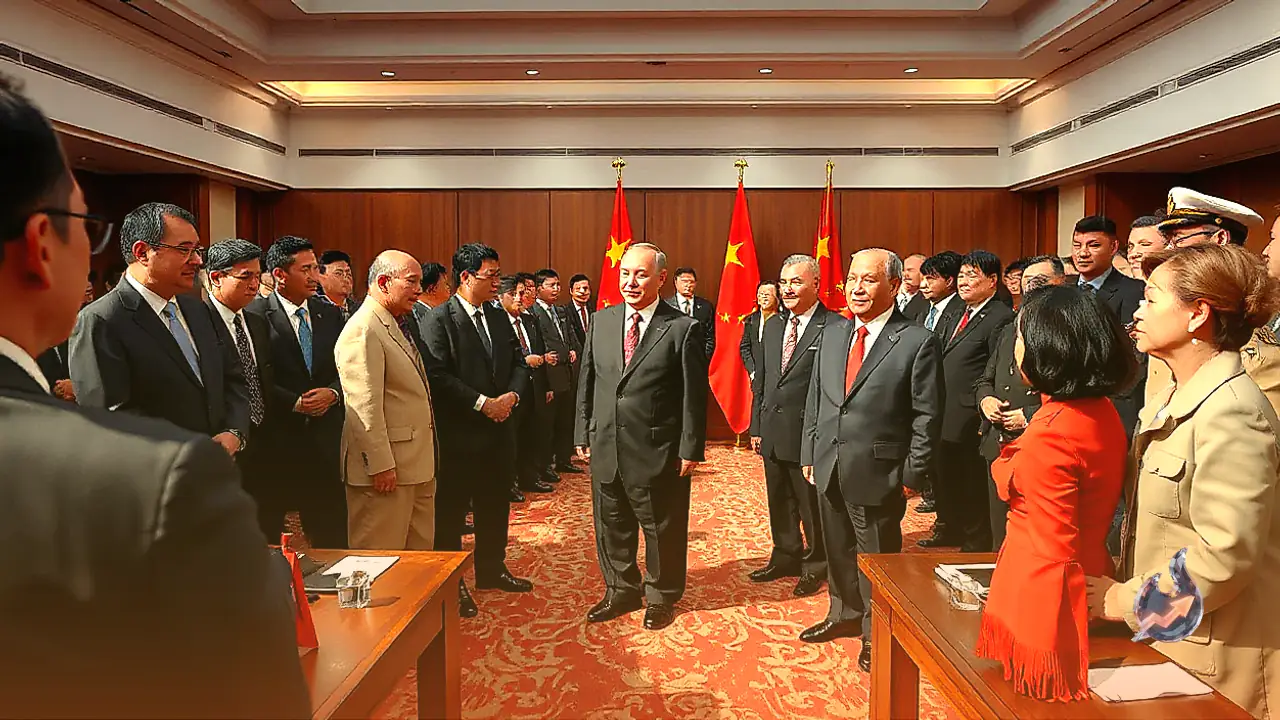

A fresh chapter in modern geopolitics is unfolding at the APEC summit venue in Shenzhen, China. For the first time since the Second World War, the heads of the three preeminent nuclear superpowers are gathering around a single negotiation table. US President Donald Trump, Chinese President Xi Jinping, and Russian President Vladimir Putin are holding a high-stakes trilateral meeting today on Thursday. Ahead of the banquet hosted by Xi Jinping for APEC leaders, the three figures met on the red carpet, exchanged handshakes, and posed for photographs with smiles. Breaking standard protocol, the Chinese president personally traveled to the Shenzhen airport to welcome Donald Trump with an embrace.
Drawing Parallels to the Historic Yalta Conference
The diplomatic gathering in China is drawing immediate comparisons to the historic 1945 Yalta Conference. During that earlier era, a similar summit among three superpower leaders mapped out the geopolitical contours of the world following the conclusion of World War II. Historical records indicate that the original Yalta summit took place during the final stages of the global conflict from February 4 to 11, 1945. That conference brought together US President Franklin D. Roosevelt, British Prime Minister Winston Churchill, and Soviet leader Joseph Stalin, collectively recognized as the Big Three. Those leaders reached crucial agreements regarding the partition of Germany and Berlin, the establishment of European spheres of influence, and the creation of the United Nations. Because of these sweeping precedents, observers are labeling the current interactions in Shenzhen as Yalta 2.0.
Core Agenda and Strategic Discussions
The agenda for the exclusive deliberations between Xi, Trump, and Putin encompasses several critical strategic and economic domains. Collectively, the United States, Russia, and China control more than 90 percent of the world's nuclear arsenals, prompting discussions on establishing a new trilateral framework aimed at maintaining strategic stability and curbing an uncontrolled arms race. Hosted in China's premier technology hub, the talks provide an opportunity for Beijing to voice its concerns regarding the military applications of artificial intelligence and stringent American restrictions on advanced semiconductor chips. Both Xi Jinping and Vladimir Putin have previously voiced sharp criticisms of US economic sanctions and tariff policies, making the mitigation of trade tensions and the stabilization of bilateral relations a primary focus. Furthermore, the triangular discussions are expected to touch upon Washington's ongoing frictions with Iran alongside the protracted conflict between Russia and Ukraine.
Leadership Statements and Global Implications
Addressing the diplomatic engagement prior to his departure from the United States, Donald Trump remarked that they were going to talk about nuclear disarmament. The participation of Russian President Vladimir Putin carries immense significance, offering Moscow a major platform to project its status as an enduring global power on the world stage. This high-level interaction threatens to undermine western efforts designed to isolate Russia internationally in the wake of the Ukraine war. Putin could leverage the summit to exert pressure on the United States regarding the terms of a settlement in Ukraine. Meanwhile, Kyiv and its European allies harbor deep anxieties that major powers might forge arrangements concerning Ukraine's future behind their backs and without local participation. Western analysts remain apprehensive that the ongoing summit could witness dominant nations unilaterally shaping global governance and regional spheres of influence.