























Modern automobile markets are flooded with fancy equipment designed to make vehicles look futuristic, but many of these additions turn out to be completely useless during everyday commutes. When customers visit showrooms to purchase a new car, they often end up paying thousands or even millions of extra currency units for features that provide virtually no practical value in daily life. Understanding the true utility of these flashy gadgets before spending hard-earned money helps buyers avoid unnecessary financial loss and ensures a wiser investment.
The Reality of Sunroofs and Wireless Chargers
Considering the regional climate patterns, a sunroof remains one of the least useful features for most of the year in tropical countries. The region experiences intense heat, harsh sunlight, and dusty atmospheric conditions for major parts of the annual cycle, making it nearly impossible to open the glass panel. Furthermore, many passengers ignore basic safety guidelines by allowing children to stick their heads out, while maintenance requirements and leakage issues create an ongoing headache. Similarly, built-in wireless smartphone chargers frequently cause more trouble than convenience during regular operation. These charging pads transfer power at an extremely sluggish pace and rapidly overheat smartphones under warm ambient temperatures. Unless the vehicle incorporates an active cooling mechanism, a standard fast USB cable remains a far safer and quicker alternative.
Flaws in Auto Stop-Start Systems and Voice Commands
Marketed as a mileage-boosting technology, the automatic engine start-stop mechanism creates immense irritation during bumper-to-bumper urban traffic conditions. The engine shutting down every few seconds and restarting instantly upon pressing the clutch or accelerator causes noticeable jerks throughout the cabin. The biggest drawback emerges the moment the engine cuts power, causing the air conditioning compressor to deactivate and the interior to heat up almost immediately. On the other hand, automotive brands promote voice commands as a high-tech marvel, yet the technology rarely functions accurately during actual driving scenarios. Local accents and external traffic noise frequently cause the system to misinterpret spoken instructions. Operating climate control systems or sunroofs through voice commands instead of pressing a physical button or turning a dial serves primarily to distract the driver.
Practical Challenges of ADAS and Touch-Based Controls
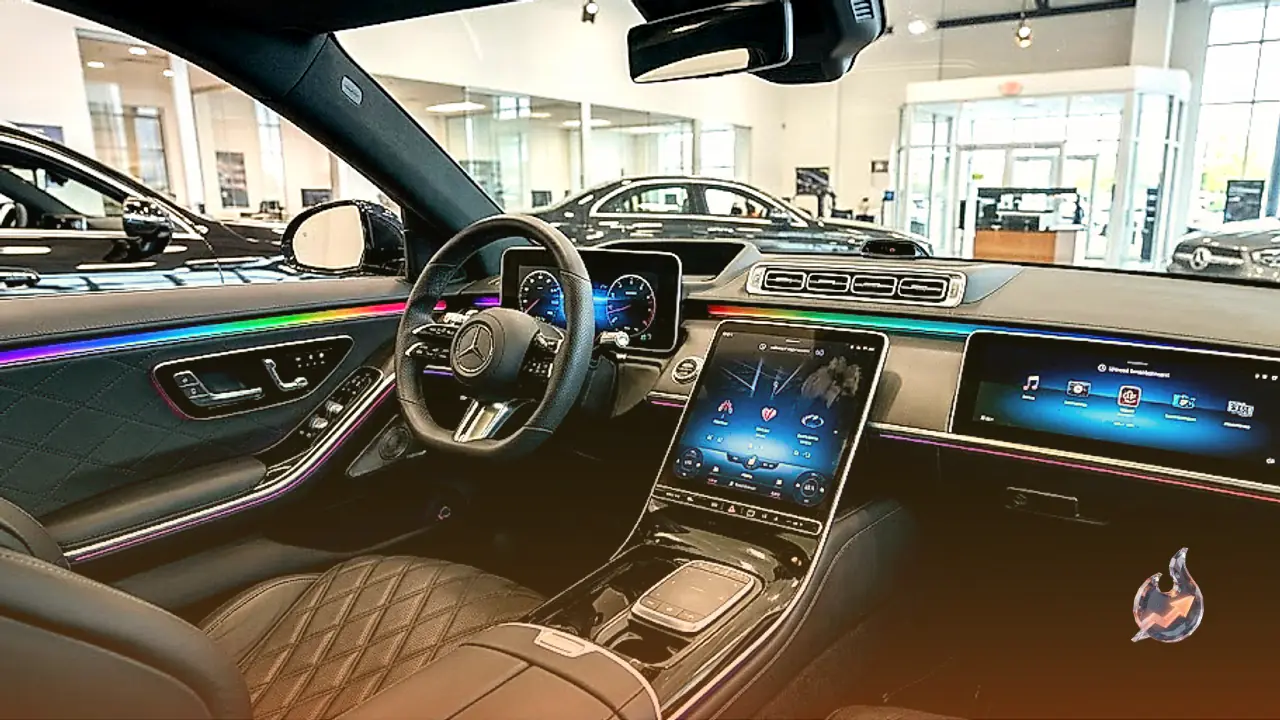
Designed originally for the disciplined traffic environments of foreign nations, advanced driver assistance systems often turn hazardous amid unpredictable local road conditions. On roadways lacking clear lane markings, the lane-keep assist feature frequently pulls the steering wheel unexpectedly. Meanwhile, the sudden activation of automatic emergency braking elevates the risk of rear-end collisions from following vehicles, prompting most owners to permanently switch off the function. Additionally, removing physical buttons in favor of touch panels to create a clean dashboard layout has emerged as a major design failure. Adjusting cabin temperature or blower speed without taking one's eyes off the road while driving becomes nearly impossible. The lack of tactile feedback from traditional physical knobs significantly increases the probability of accidents during transit.
Flush door handles appear premium and aerodynamic at first glance, but they prove highly impractical during routine daily usage. Accumulation of dust and grime can easily impair their motorized mechanisms over time. Moreover, during emergencies or collision events, grabbing and quickly pulling open doors from the outside becomes an arduous task. Large alloy wheels paired with low-profile tires enhance aesthetic appeal, yet they suffer immensely on potholes, speed breakers, and damaged roads. These setups stiffen the suspension and degrade ride comfort, while severe impacts over deep potholes carry a high risk of tire blowouts and bent alloy rims.
Paddle shifters lose their purpose entirely inside standard budget cars housing small engines, as their true thrill belongs exclusively in high-performance sports vehicles. Vehicles equipped with modest displacement engines or sluggish automatic gearboxes derive zero mechanical advantage from manual paddle controls. Due to the absence of instant engine response, buyers fail to experience any genuine manual control and rarely touch the feature after purchase. Finally, gesture controls meant for changing tracks or adjusting volume through hand waves serve purely as a superficial gimmick. The system frequently misinterprets normal hand movements as valid commands or fails to respond despite repeated gestures, making steering-mounted buttons a vastly superior and safer choice.