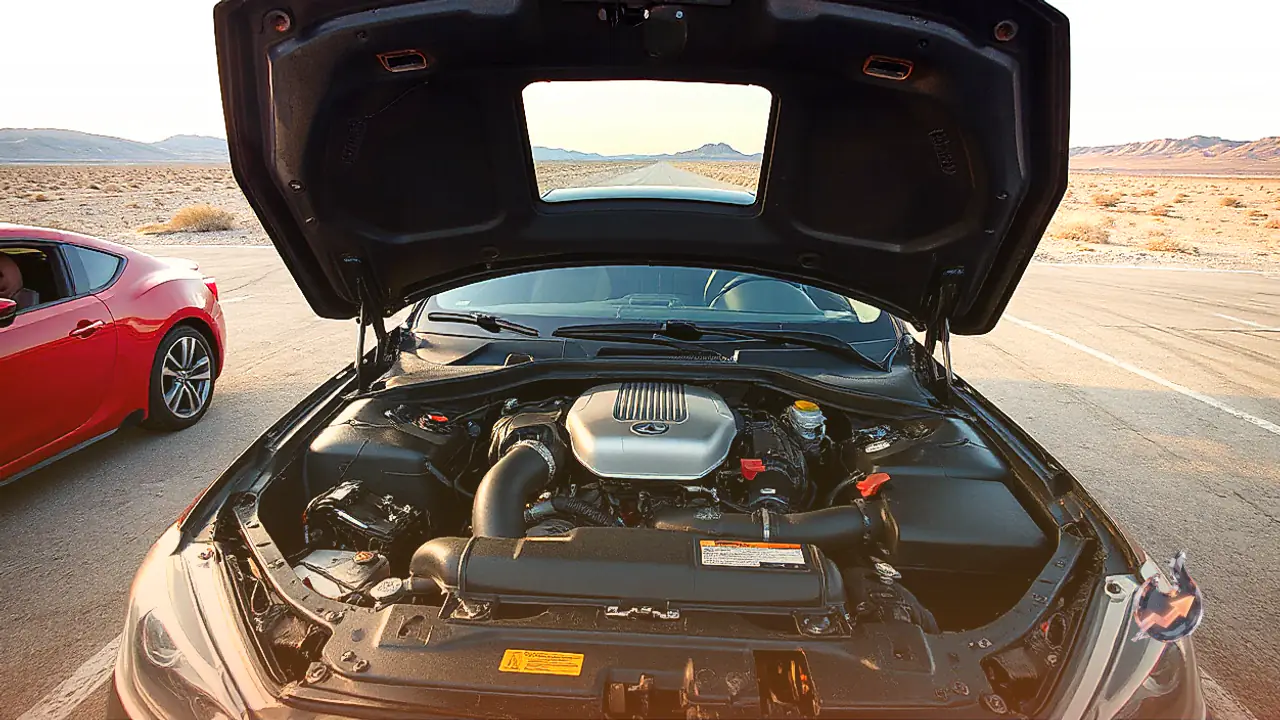
























Coolant plays a vital role in maintaining the correct operating temperature of a vehicle engine. It prevents the engine from overheating during intense operations and stops it from freezing during harsh winters. Checking the coolant level periodically and replacing it when necessary is essential for ensuring the long life of the engine. If the coolant level drops too low or becomes dirty, the engine can easily overheat, resulting in expensive repair damages.
When To Change Coolant And Safety Precautions
In most vehicles, experts generally recommend changing the coolant every 30,000 to 50,000 kilometers or every two to three years. Using the correct type of coolant is extremely important because using an incorrect fluid can damage internal engine parts. This entire maintenance process can be easily performed at home as long as proper safety measures are strictly followed. Always ensure that you begin the work only after the engine has cooled down completely.
How To Check Coolant Level And Condition
First, park your car on a flat surface and allow the engine to cool down thoroughly. Open the bonnet and locate the coolant reservoir, which is a transparent plastic tank marked with MIN and MAX indicators. The coolant level should always remain between these two markers. If the level has dropped below the MIN mark, add the correct type of coolant as recommended in your vehicle manual. Also, inspect the color of the fluid, which should be clear green, red, or orange. If the fluid looks dirty, rusty, or oily, it is a clear sign that it needs to be replaced immediately.
Gathering Necessary Supplies And Preparation
Collect all essential materials before beginning the replacement process. You will need new coolant, distilled water, a drain pan, protective gloves, safety glasses, and a funnel. Raise the car on jack stands if additional clearance is required. Turn the vehicle heater to the high setting to ensure the entire system drains completely.
Once the engine is completely cool, slowly open the radiator or reservoir cap to release pressure. Place a drain pan directly beneath the radiator and open the drain plug to flush out the old coolant. If necessary, open the engine block drain bolt as well. Always dispose of the old coolant in an environmentally friendly manner.
Refilling Fresh Coolant And Bleeding Air
Securely close the drain plug after the old fluid is completely drained. Mix coolant and distilled water in a 50:50 ratio and pour it slowly into the system, filling the reservoir up to the MAX mark. Start the engine and run it with the heater turned on for a short while to help purge any trapped air from the system. Check the fluid level again and top it up if required.
Close the cap tightly, check for any potential leaks, and drive the vehicle for a few kilometers to inspect the level once more. Regular inspections like this will keep your car operating safely and smoothly for a long time.