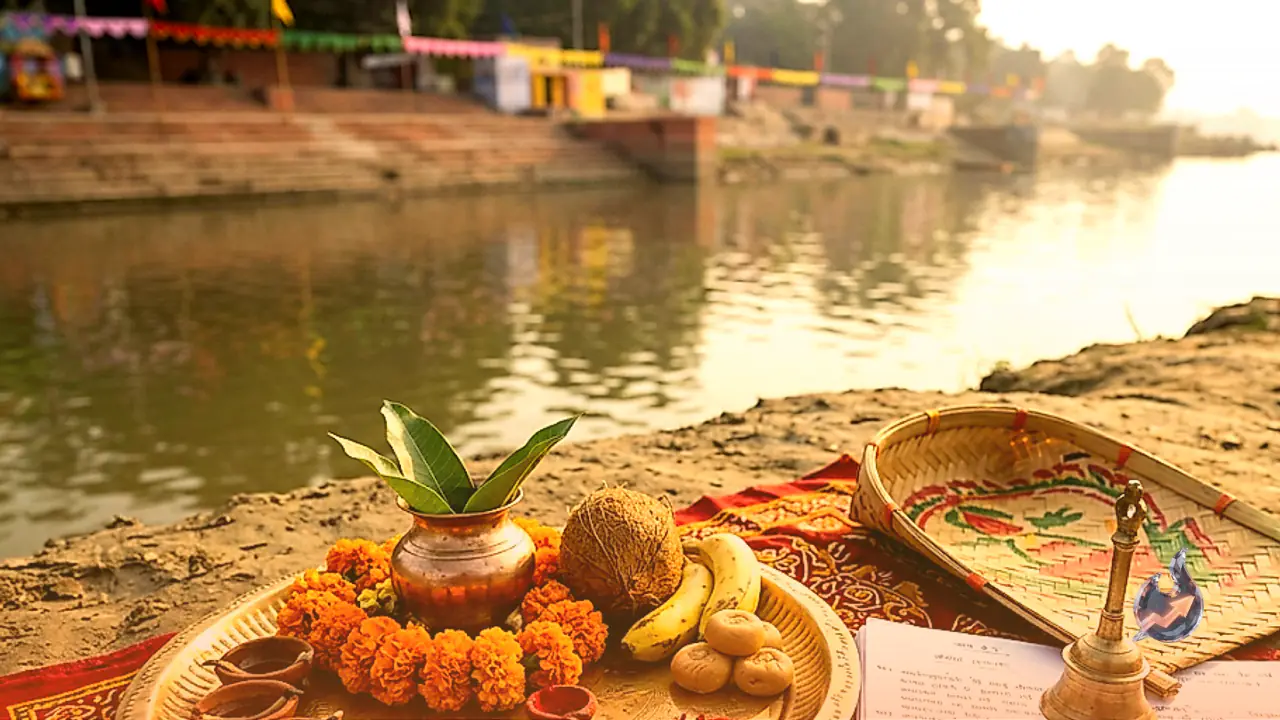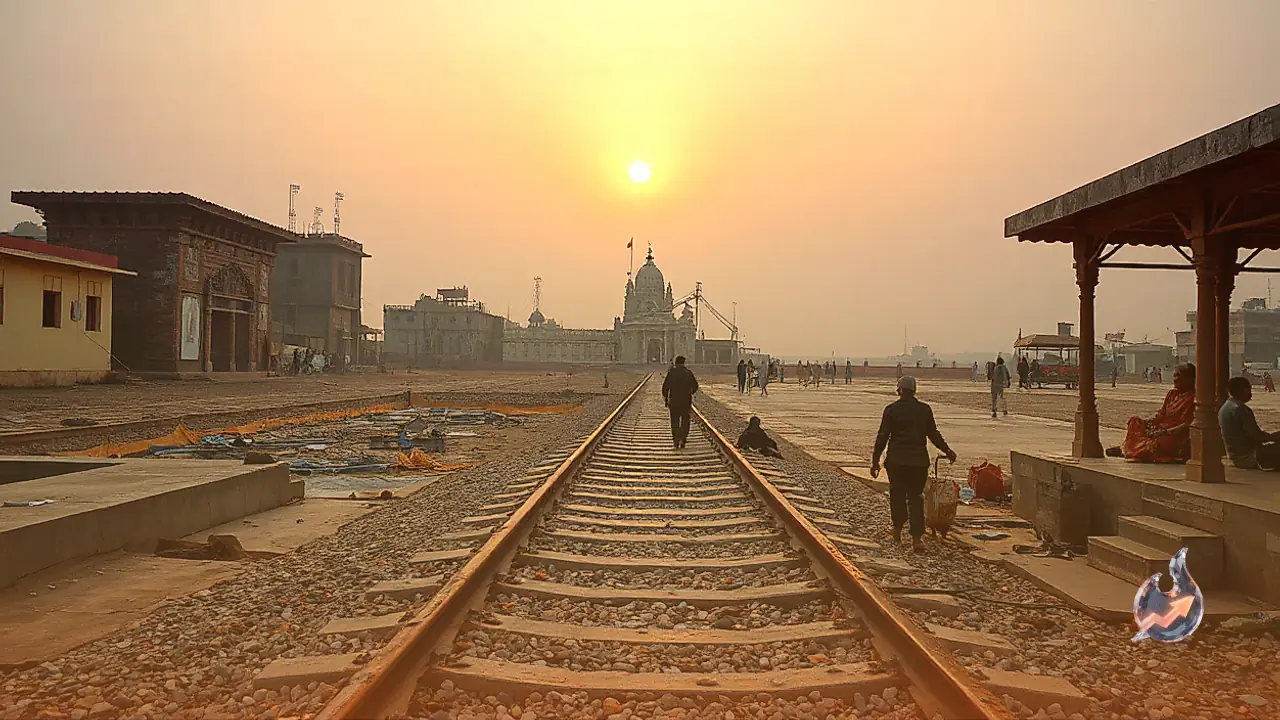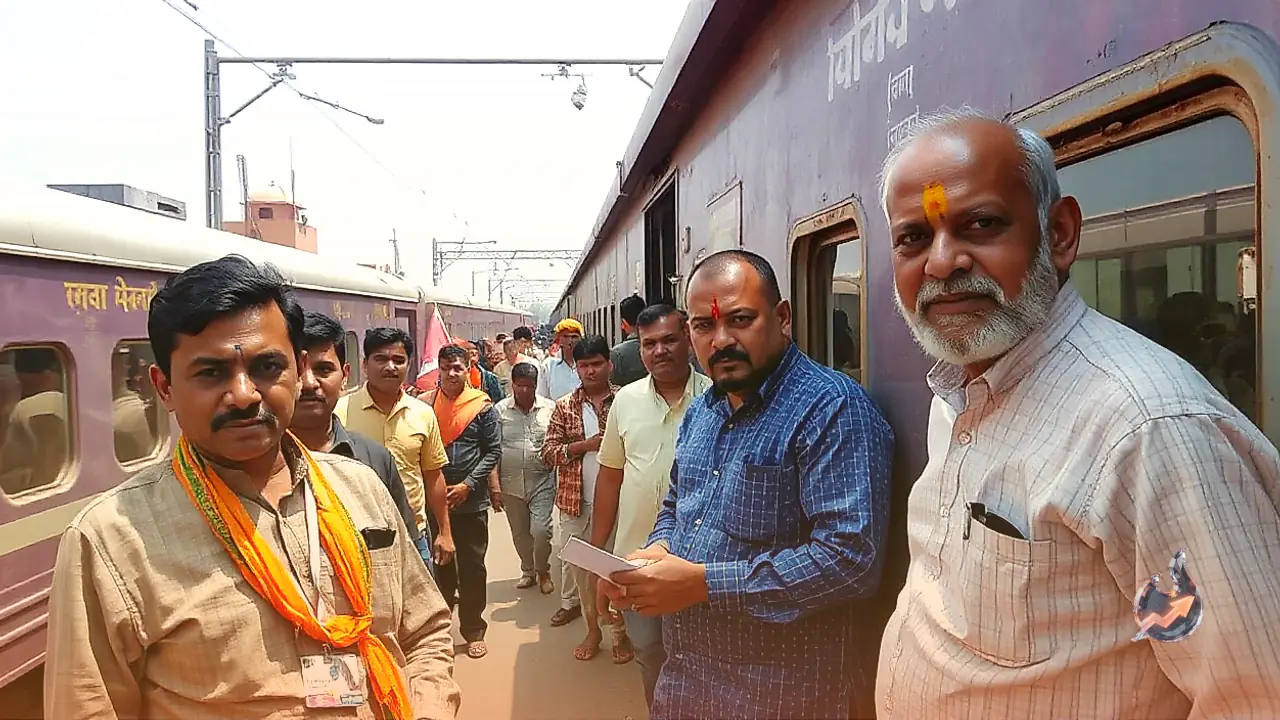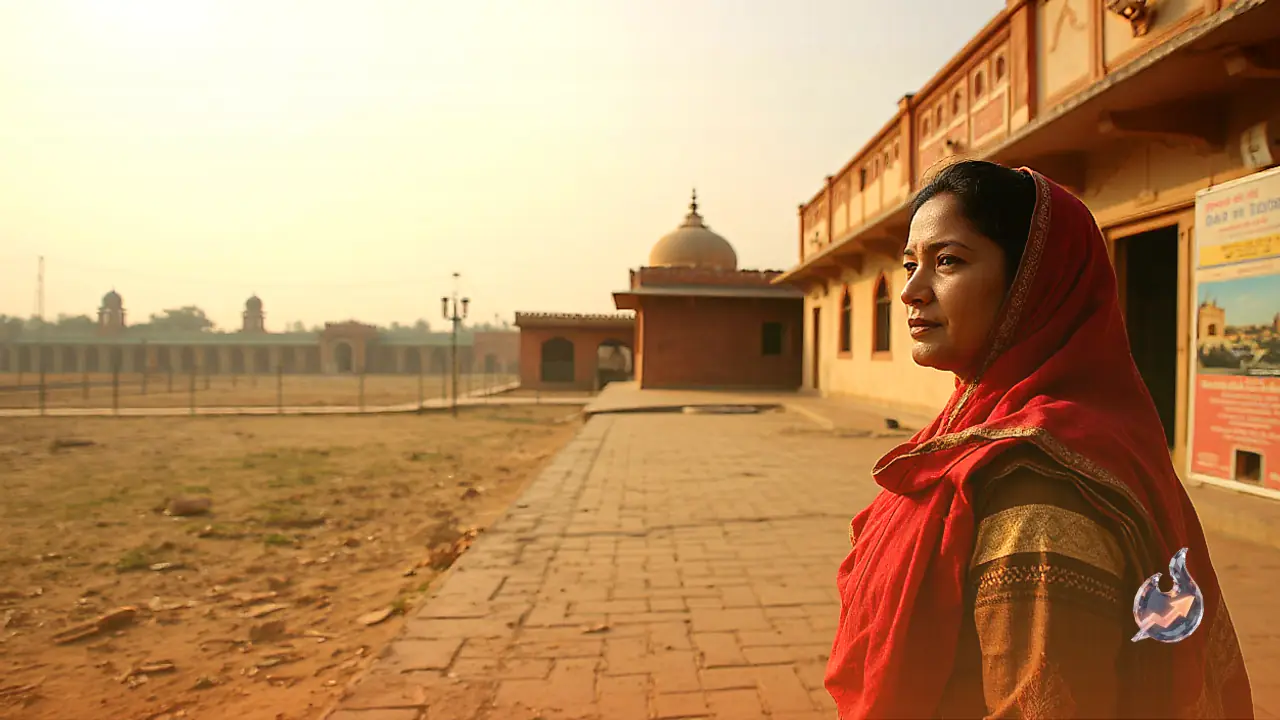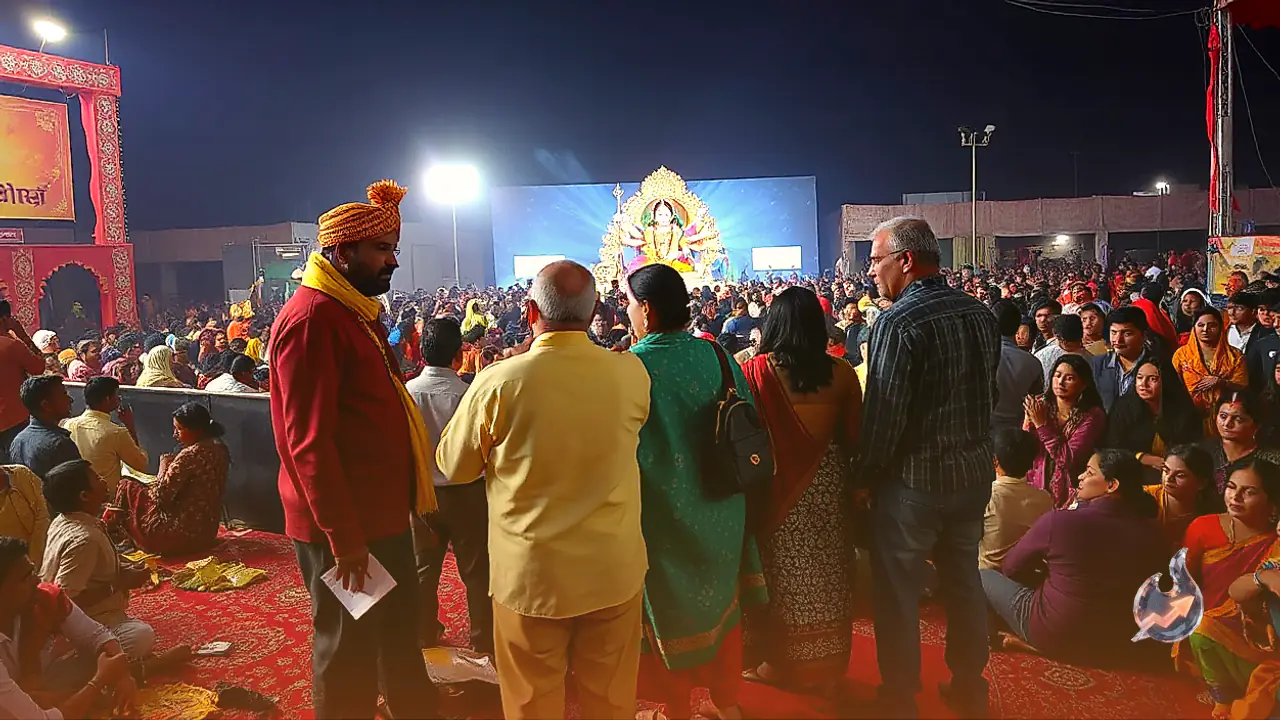





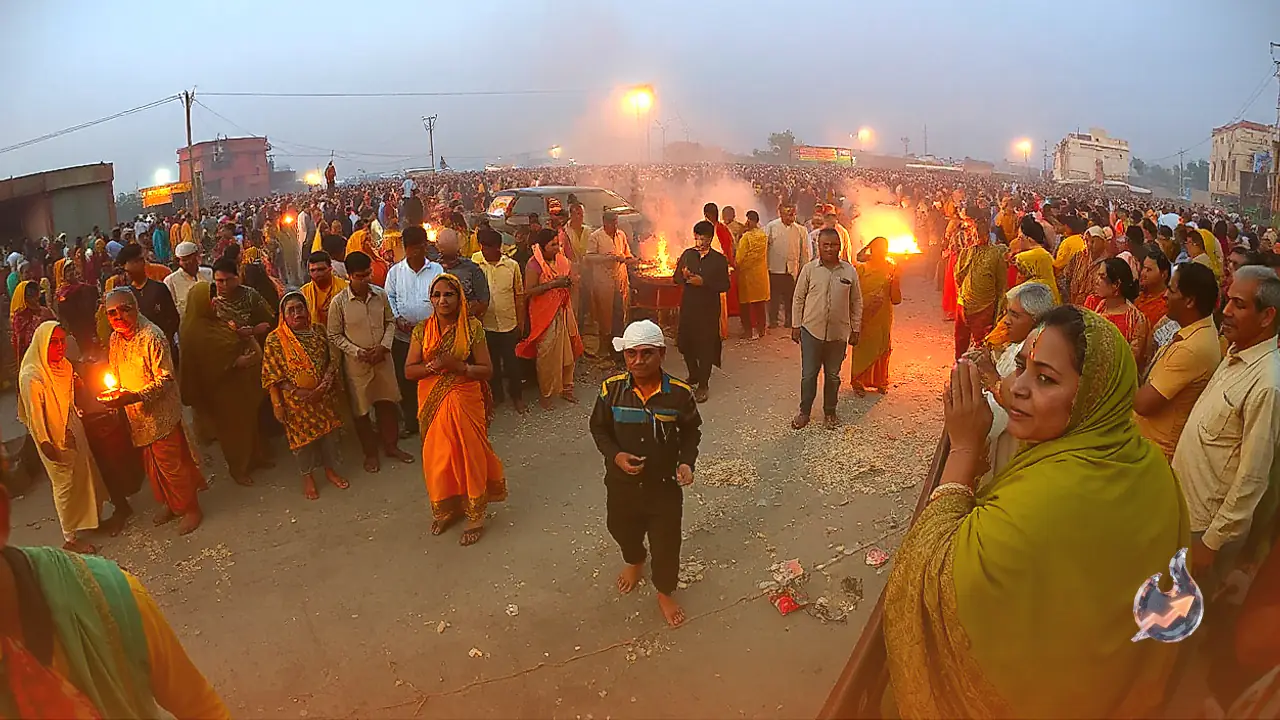
















Across Bihar, Jharkhand, and widespread regions of northern India, the grand festival of Chhath is observed with profound devotion and purity. Taking place between November 13 and November 16 this year, the four-day ritual marks a period of deep spiritual penance and communal bonding. Prominent Bhojpuri vocalist Kalpana Patowary spoke about the sanctity of this ancient celebration, urging people from all walks of life to embrace its values. She underscored how the festival represents universal gratitude to nature while rising above traditional social and religious boundaries.
Motherhood and the Spiritual Promise of Chhath
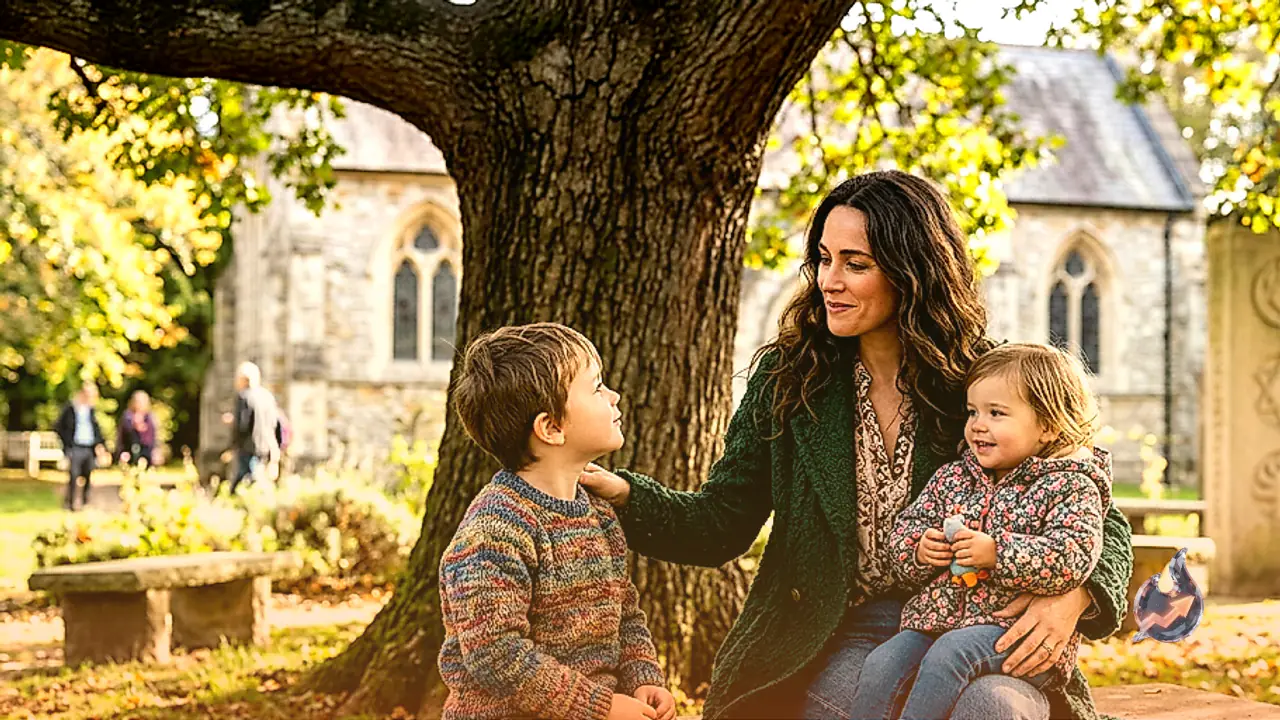
During an appearance on a podcast hosted by Shubhankar Mishra, Kalpana Patowary reflected on her emotional connection with the festival. She emphasized that the spiritual pull of Chhath is remarkably intense, particularly because deity Chhathi Maiya is revered as the divine protector and giver of life to children. In folklore and community practice, women who face difficulties in conceiving often turn toward this stringent fast, seeking blessings for fertility and the safe upbringing of their offspring.
A Personal Experience with Prayer and Healing
Opening up about her own past, Kalpana Patowary revealed that she encountered significant medical complications when trying to conceive after marriage. During that trying period, an admirer from Jamalpur reached out to her with a pledge. The follower offered to perform the sacred Kosi Bharna ritual on the singer's behalf, placing only one condition: if a child was born, Kalpana would have to bring the infant to Jamalpur to complete the ceremonial gratitude.
Kalpana accepted the gesture as a profound blessing. Remarkably, the very next year, she gave birth to twin boys. Honoring her word, she traveled with both infants to Jamalpur, where the woman seated the twins in the ceremonial space and carried out the traditional rites of Chhath, including symbolic hair cutting. Recalling those moments, the singer became visibly moved, noting that her musical renditions of Chhath are rooted in genuine life experience rather than routine studio recordings.
Shattering Barriers Across Communities
Reflecting on public discourse surrounding cultural preservation and communal divisions between Hindus and Muslims, Kalpana Patowary drew attention to the unique social reality of Bihar. In several areas, Muslim women also observe the strict fast of Chhath with full devotion. Upon witnessing this harmony, she felt an artistic responsibility to celebrate this aspect of regional culture through her music.
Her artistic project, released on Music Box, garnered widespread viewership by illustrating this shared heritage. The visual narrative featured a Muslim woman setting aside her prayer garments to put on the traditional yellow pihari attire for the rituals of Chhath. Kalpana explained that when a woman yearns for motherhood, conventional religious boundaries fade away, leaving only the pure emotion of a mother. When conventional hope diminishes, faith in Chhathi Maiya steps in, which is why she believes the spirit of Chhath holds meaning for everyone.
Nature Worship Free from Intermediaries
Elaborating on the philosophy of the festival, the artist observed that offering Arghya to the sun at dawn and dusk is simply an act of thanksgiving to the elements that sustain life. One of the most distinctive aspects of Chhath is its egalitarian structure: the rituals require no priests or ceremonial mediators. The traditional folk songs hummed by the worshippers function as the sacred mantras of the puja.
She also pointed out the growing geographical reach of the festival, sharing that women across Assam have increasingly started performing Chhath rituals in recent years. This geographic expansion illustrates how a festival founded on discipline, environmental reverence, and family well-being continues to resonate across modern India.