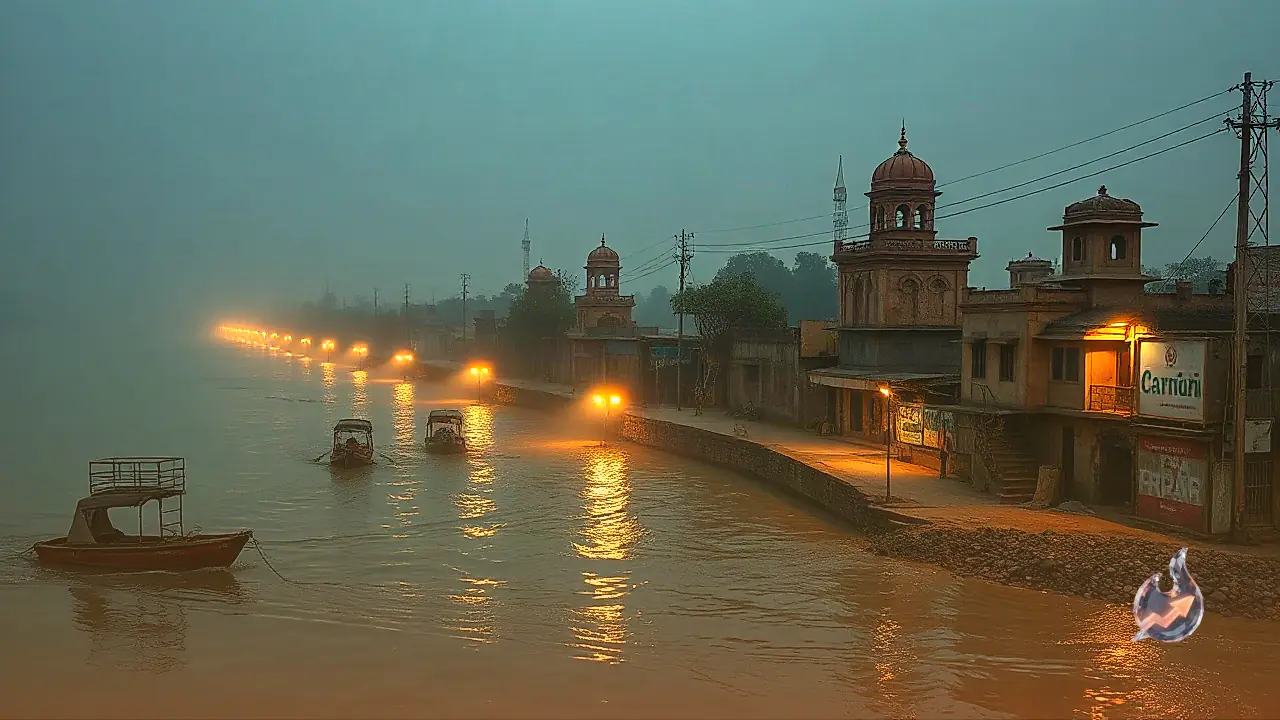
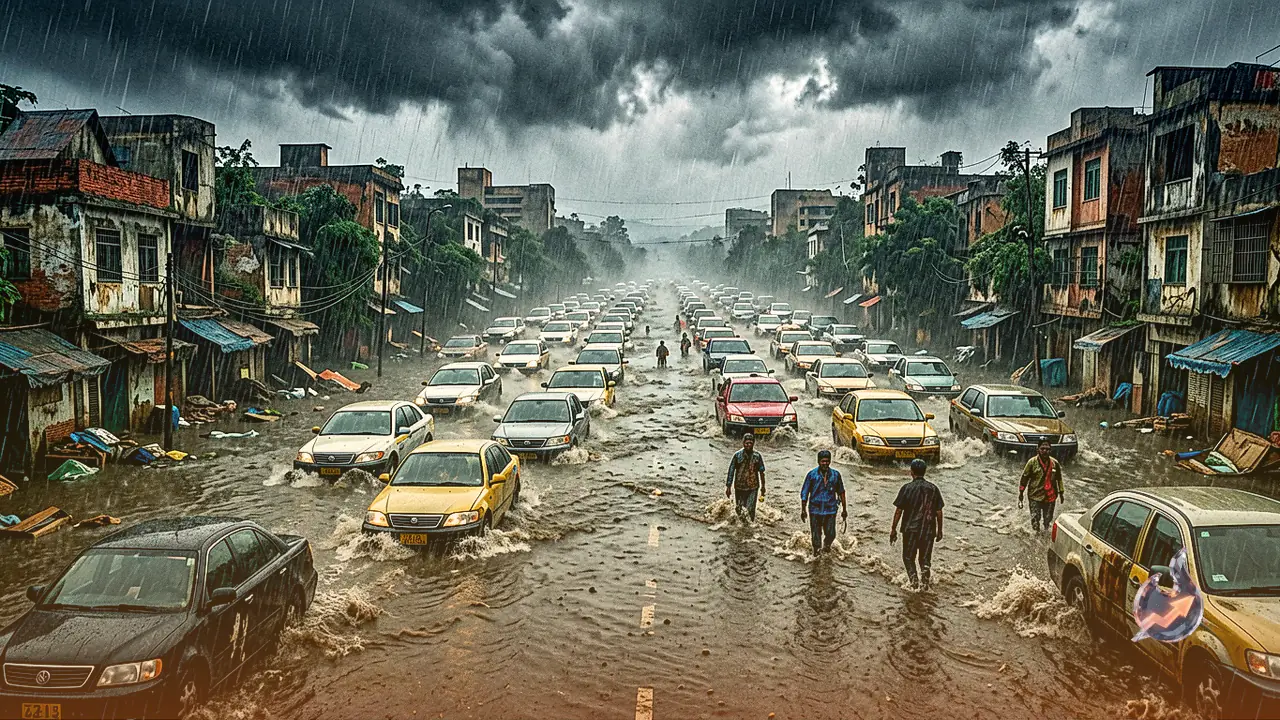

















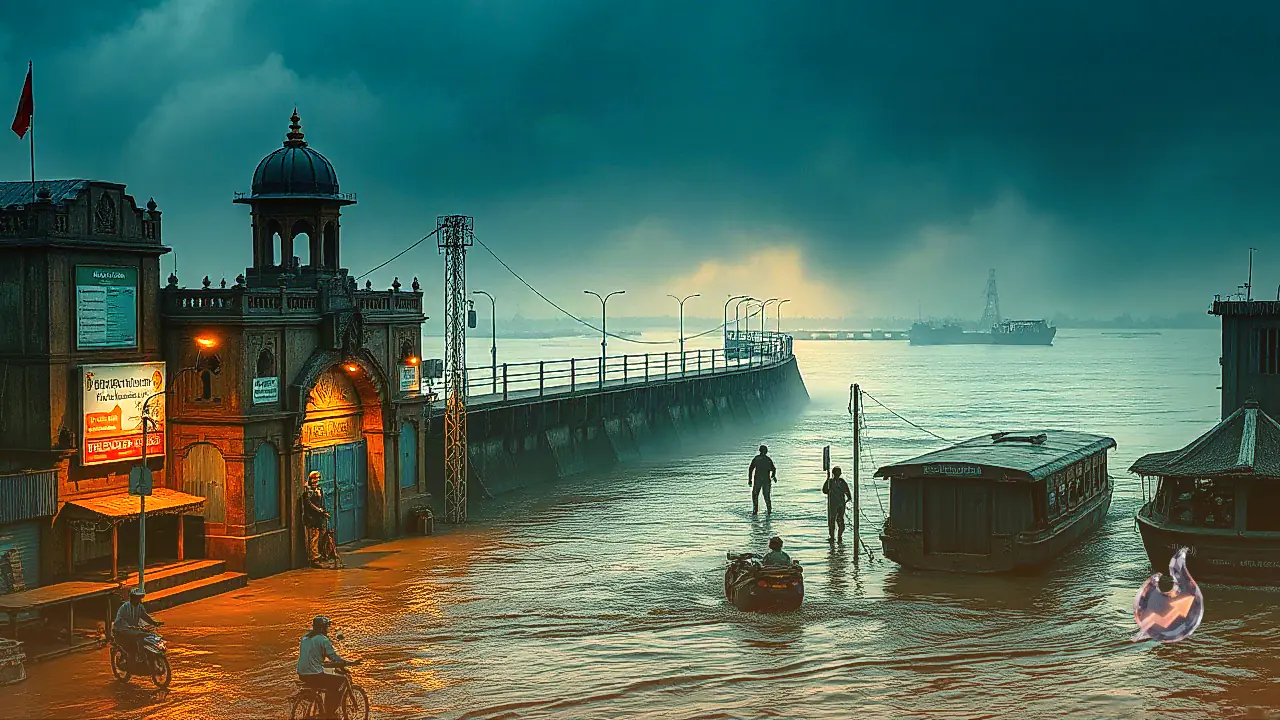

Incessant heavy downpours across northern India have triggered a sharp rise in the water levels of the Ganga river, creating a looming threat of floods in several low-lying regions of Bihar. To counter this growing crisis, Bihar Chief Minister Samrat Choudhary held a telephonic conversation on Sunday with West Bengal Chief Minister Suvendu Adhikari, earnestly requesting him to open all the gates of the Farakka Barrage to facilitate smooth water flow and ease the mounting pressure on downstream areas.
Appeal Shared on Social Media
Detailing the conversation, Choudhary took to the social media platform X to explain that the escalating water volume in the Ganga poses an immediate danger to communities across Bihar. He noted that opening the barrage sluice gates would normalize the river's discharge pattern and play a crucial role in bringing the flood-like conditions in Bihar under control. The dialogue was aimed at securing immediate inter-state coordination to avert a major disaster.
Prompt Action Assured by West Bengal
According to the Bihar Chief Minister, West Bengal Chief Minister Suvendu Adhikari responded positively to the appeal and assured him of prompt action regarding the matter. Emphasizing that public safety remains paramount, Choudhary reiterated that safeguarding the lives of citizens and executing timely relief operations are the absolute highest priorities for the administration as emergency teams monitor the swelling river banks.
JDU MP Raises Concerns Over Farakka Treaty
Meanwhile, Janata Dal United Member of Parliament Sanjay Jha voiced deep concerns regarding the 1996 Farakka Barrage Treaty signed between India and Bangladesh. He asserted that any future decisions concerning the renewal of this pact must carefully factor in the vital interests of Bihar. Jha remarked that when the agreement was originally signed in 1996, the interests of Bihar were sidelined and compromised.
Upcoming Thirtieth Anniversary of the Treaty
Highlighting the timeline, the JDU leader pointed out that the water-sharing treaty is set to complete thirty years this coming December. He urged the central government not to proceed with the renewal without thoroughly evaluating how the terms impact Bihar. Jha maintained that extensive discussions must take place with state priorities front and center before any formal extension is locked in.
Background on Ganga Water Treaty and Teesta Talks
India and Bangladesh jointly share 54 transboundary rivers, and the 1996 Ganga Water Treaty primarily regulates dry-season water sharing at the Farakka Barrage. Despite numerous rounds of bilateral talks over the years, the allocation dispute surrounding the Teesta river remains unresolved. A proposed 2011 pact had previously outlined a formula to allocate 42.5 percent of Teesta waters to India and 37.5 percent to Bangladesh, with the remaining balance left for other considerations. However, that agreement failed to take effect due to strong opposition from West Bengal.