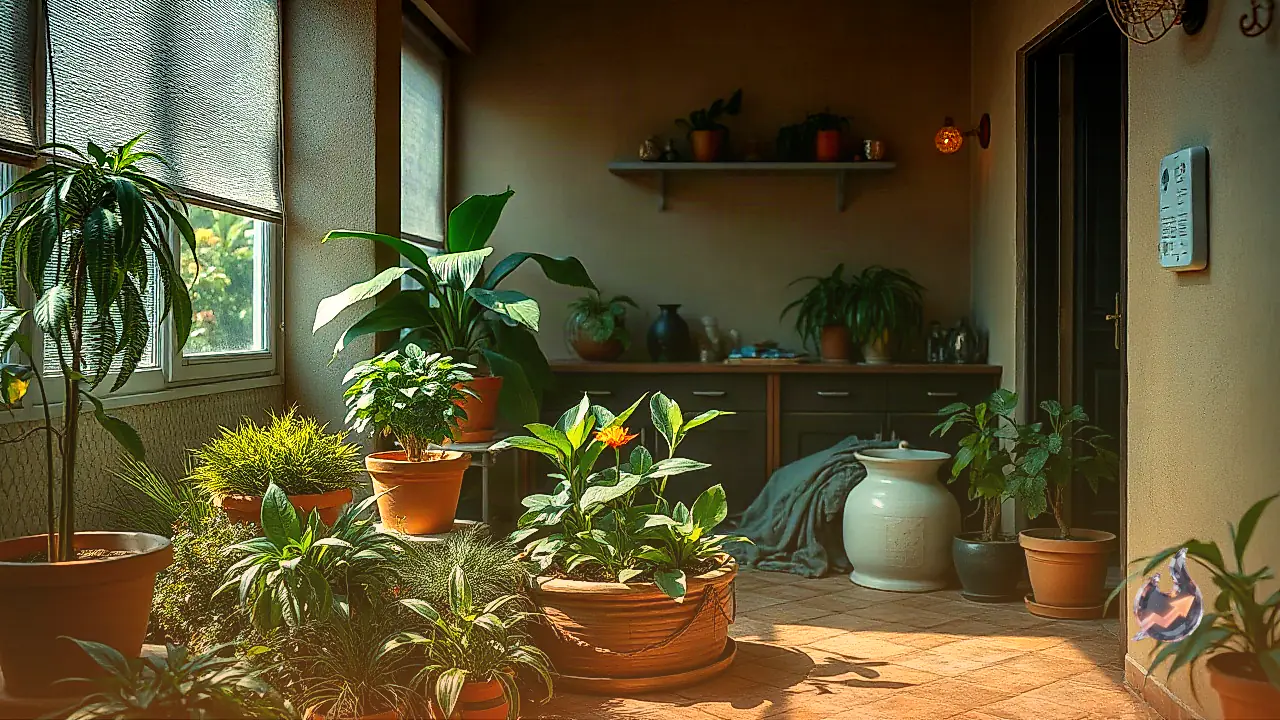























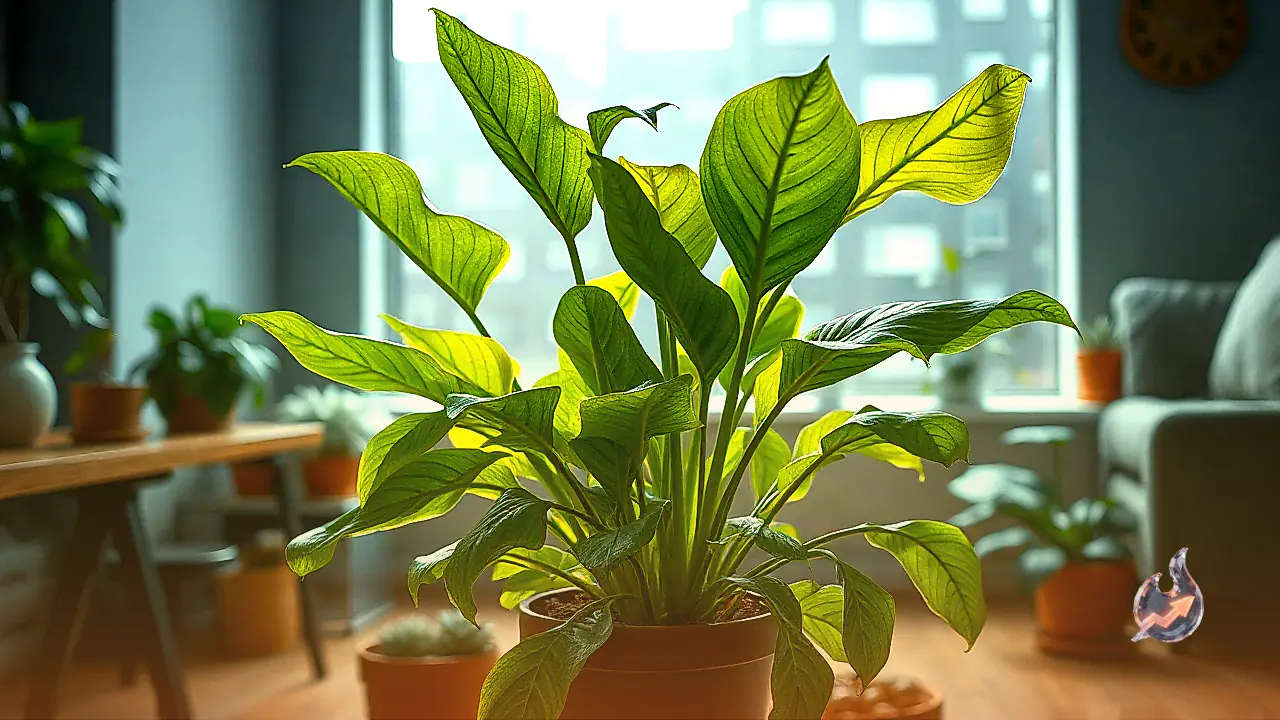

When a household money plant stops thriving and remains stuck at the same size for a long period, simply watering it regularly is often not enough. Slow growth is frequently caused by minor issues such as nutrient deficiencies in the soil, improper lighting, or excessive moisture. Particularly when new leaves emerge very small or the vines refuse to spread, the maintenance routine requires a fresh look. Fortunately, reviving a money plant does not always demand expensive commercial fertilizers or specialized products.
Nourishing the Soil with Simple Kitchen Items
Basic household items can easily provide the necessary nutrition to the potting soil. According to gardening expert Tarun Chopra, the nutrient levels in potted plants often drop over time, making appropriate organic nourishment essential for recovery. Dried banana peel powder serves as an excellent option for this purpose. The peels are dried thoroughly, chopped into small pieces, and ground into a powder that contains potassium, which acts as a helpful nutrient for plant development when mixed into the soil in limited amounts.
Used tea leaves can also prove useful because they contain nitrogen, an element that supports leaf growth. However, pouring leftover tea containing milk and sugar directly into the pot can trigger fungal growth or attract pests, so it is necessary to wash and dry the used tea leaves properly before mixing them in. For plants appearing continuously weak, vermicompost provides another straightforward alternative. Mixing a small amount of vermicompost into a 12-inch pot once every 30 to 40 days is usually sufficient rather than applying it too frequently.
Using Epsom Salt and Calcium Alternatives
Epsom salt contains magnesium and sulfur, making it a viable addition for plant health. As suggested by experts, mixing about 5 grams of Epsom salt into 1 liter of water allows for a foliar spray, though excessive and frequent application should be avoided since every plant has unique requirements. Calcium also plays a role in healthy plant development. Buttermilk available at home can be diluted with adequate water and applied to the soil in limited quantities. Similarly, cooled water from boiled eggs is often utilized as a domestic technique. Starting with smaller amounts when trying any new homemade fertilizer for the first time is always recommended.
Essential Care Practices Beyond Fertilization
Applying nutrients alone cannot guarantee proper development if basic maintenance is ignored. Instead of adding fertilizer directly to completely dry soil, the earth should be lightly moistened beforehand. Standing water in the container can rot the roots, which makes proper drainage an absolute necessity to keep the plant healthy.