



















Director Nitesh Tiwari's highly anticipated film Ramayana: Part 1 has managed to stay in the constant spotlight even before its official theatrical release. Every single glimpse emerging from this massive cinematic project has been actively fueling excitement and curiosity among audiences everywhere. Recently, the makers rolled out a brand new track titled Mangal Rang, featuring actor Ranbir Kapoor portraying Lord Ram and actress Sai Pallavi essaying the role of Mata Sita. This musical piece showcases glimpses of the wedding festivities of Ram and Sita alongside moments from their life prior to embarking on their exile. While the stunning visuals and traditional atmosphere have successfully grabbed public attention, a particular frame from the video has unexpectedly ignited a heated debate across social media platforms. In this specific sequence, a yellow paste is seen being applied to Lord Ram's body while female members of the family surround him in a joyous gathering. This has prompted viewers to question whether the ritual being depicted is a standard pre-wedding haldi ceremony or a representation of some traditional religious custom native to the Mithila region.
Why Are Questions Being Raised Over the Ram Haldi Scene?
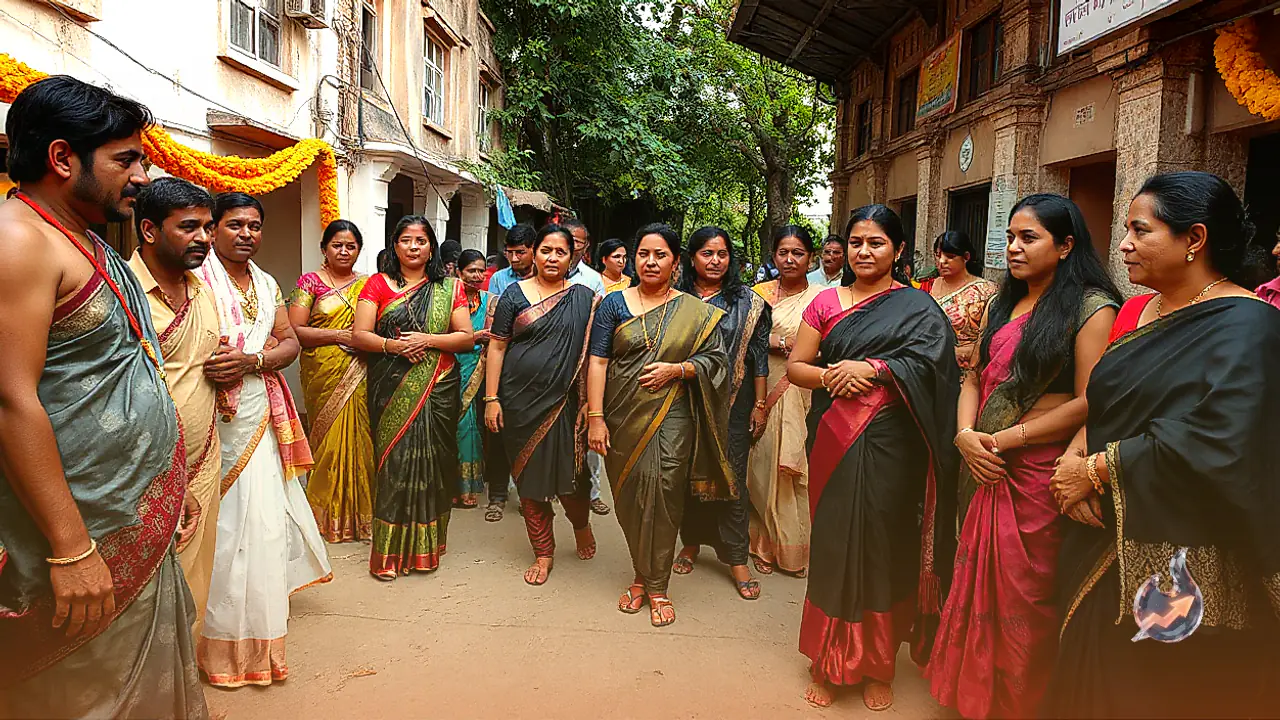
Within one of the sequences featured in Mangal Rang, Lord Ram is observed seated in the middle of a grand family celebration. During this moment, women from the household apply a yellow paste to his body while the atmosphere radiates festive joy. At first glance, several viewers interpreted this as the customary haldi ritual performed prior to a wedding. In traditional Hindu matrimonial customs, the turmeric ceremony holds immense significance as a way to send blessings and good wishes to the bride and groom. However, several social media users quickly pointed out the presence of Mata Sita in the very same frame. They argued that if this truly represents a traditional pre-wedding haldi ritual, how should one interpret the presence of Sita in that particular scene? Amidst these ongoing discussions, a section of users claimed that the scene might not depict haldi at all, but rather a traditional custom from the Mithila region known as chuman or chumawan. Nevertheless, the film producers have not yet issued any official clarification or confirmation regarding the exact ritual depicted in this visual sequence.
What is the Mithila Chuman or Chumawan Tradition?
Chuman, which is also referred to as chumawan, forms an integral part of the traditional cultural practices observed in the Mithila region. This ritual is typically performed during auspicious occasions such as weddings and celebrations. The primary purpose of this custom is for elders to shower their blessings upon the bride, groom, or an honored individual while praying for a joyful life, enduring prosperity, longevity, and an auspicious future. According to local customs, this ritual involves the use of auspicious items such as betel nuts, turmeric, durva grass, and red paddy. These items are arranged neatly on a traditional platter or vessel to perform the ceremony. However, the precise manner of executing this tradition can vary significantly across different communities and geographical localities. This exact variation is why numerous viewers are connecting the Mangal Rang visual to the traditional chuman custom.
Is the Scene Connected to Ram's Coronation?
Another prominent angle of discussion has also emerged across online spaces regarding this sequence. A few individuals believe that the ceremony featured in the song might not be related to the marriage of Ram and Sita at all, but could instead be tied to preparations for Lord Ram's proposed coronation ceremony. The narrative of the Ramayana gives considerable importance to the coronation episode, which involves distinct familial and royal customs. For now, however, all of these explanations remain speculative interpretations put forward by audiences. The makers of the film have neither confirmed the ritual to be a haldi ceremony nor verified it as a chuman or coronation-related rite. Additionally, historical traditions within Awadh suggest that a royal heir was anointed with ubtan and given blessings prior to ascending the throne. The song may be referencing one of these specific royal moments, which viewers are currently interpreting as a pre-wedding turmeric ceremony. The actual context will only become entirely clear once the movie hits the silver screen. Meanwhile, the musical composition of the song has also attracted notable questions from listeners.
Ramayana Continues to Generate Pre-Release Buzz
Ramayana: Part 1, starring Ranbir Kapoor and Sai Pallavi in the lead roles, continues to command immense excitement among movie buffs everywhere. The release of Mangal Rang has successfully provided a window into the cultural and familial dimensions embedded within the cinematic universe. The ongoing debate surrounding this particular visual frame has successfully thrust the musical track into fresh discussions across the entertainment world. In the days ahead, if the filmmakers decide to provide any formal clarity regarding this specific ritual, it will finally resolve whether the depicted tradition belongs to the marriage of Ram and Sita, the regional chuman custom of Mithila, or an entirely different narrative event. At present, enthusiastic viewers continue to derive their own distinct interpretations from the sequence.