




















With the arrival of winter in the Baghelkhand region of Madhya Pradesh, the demand for traditional Chane ki Bhaji has witnessed a notable surge. Prepared from fresh green plants, this flavorful dish forms an essential part of the local culinary culture, particularly cherished across rural and tribal communities. As the chilly winter season sets in, the fragrance and demand for Chane ki Bhaji become prominent across households and marketplaces in Rewa and surrounding areas. Sourced fresh directly from the fields, this traditional preparation is relished with rice by rural and tribal families during the colder months. Throughout the frosty winter period, numerous women at the Sirmour crossing in Rewa city sell this seasonal green to sustain their families and earn a livelihood.
Market trends and women livelihoods at Sirmour crossing
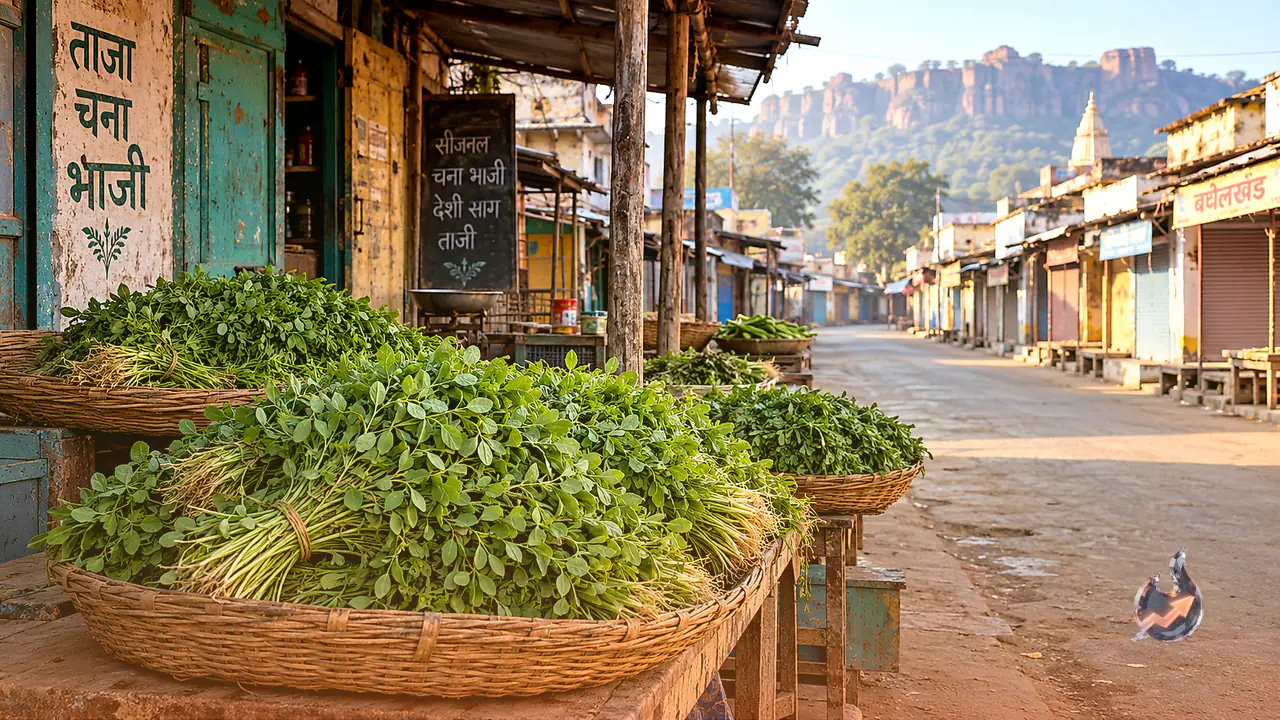
Dozens of women selling Chane ki Bhaji can currently be spotted at the Sirmour crossing in Rewa. A vendor named Koniya Saket shared details about the supply chain, explaining that she purchases the chana greens from the Maihar mandi and brings them to Rewa. Procured for roughly 300 rupees in Maihar, this green leafy vegetable is retailed in Rewa for up to 400 rupees per kilo. This seasonal commercial cycle begins in October and continues steadily through December and January. Across the rural and tribal households of Baghelkhand, preparing this dish regularly is a dietary staple during the peak cold weather.
Traditional method for preparing Chane ki Bhaji
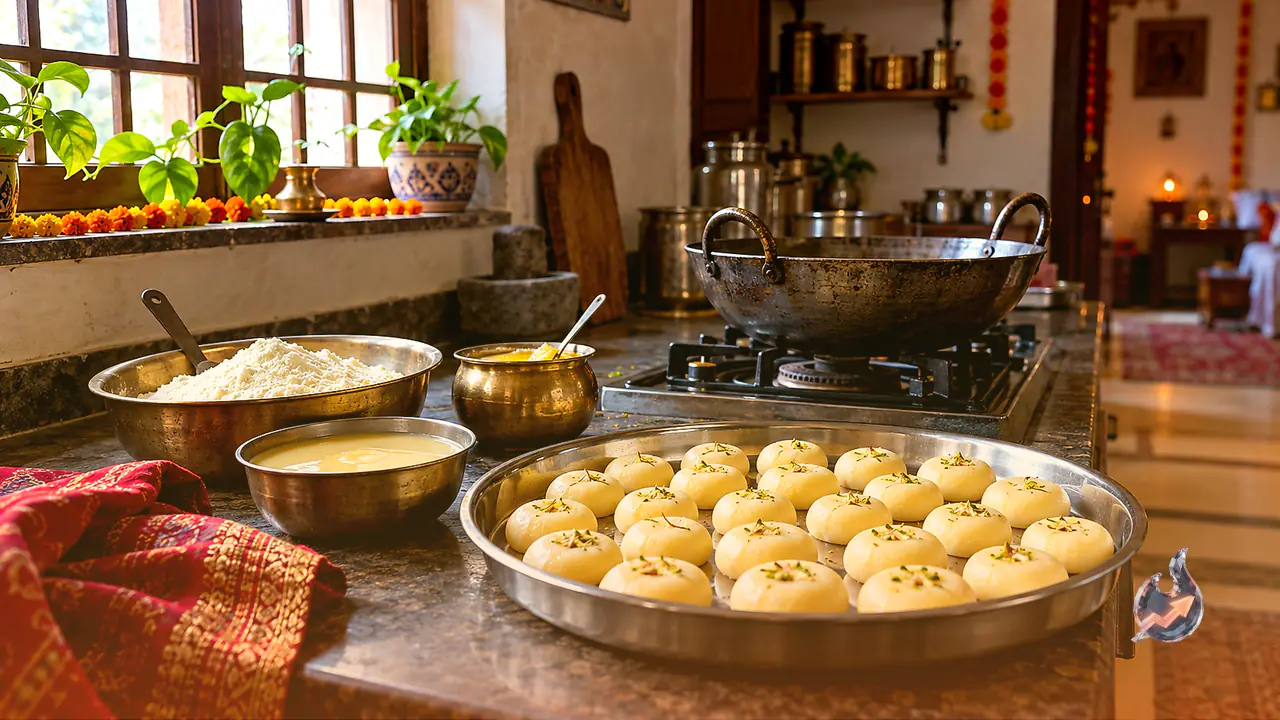
Crafting authentic Chane ki Bhaji in the traditional Baghelkhand style requires specific, readily available ingredients. The list includes fresh chana greens, 2 to 3 spoons of oil, asafoetida as needed, 5 to 10 garlic cloves, 1 spoon of coarsely ground moong, masoor or arhar dal, 2 spoons of flour, salt to taste, and adequate water. The preparation process begins by thoroughly cleaning and chopping the fresh greens. Following this, oil is heated in an iron kadhai, and a tempering of asafoetida and garlic is added. Once the garlic turns golden, the coarsely ground lentils and chopped greens are thoroughly mixed together.
Cooking procedure and serving traditions
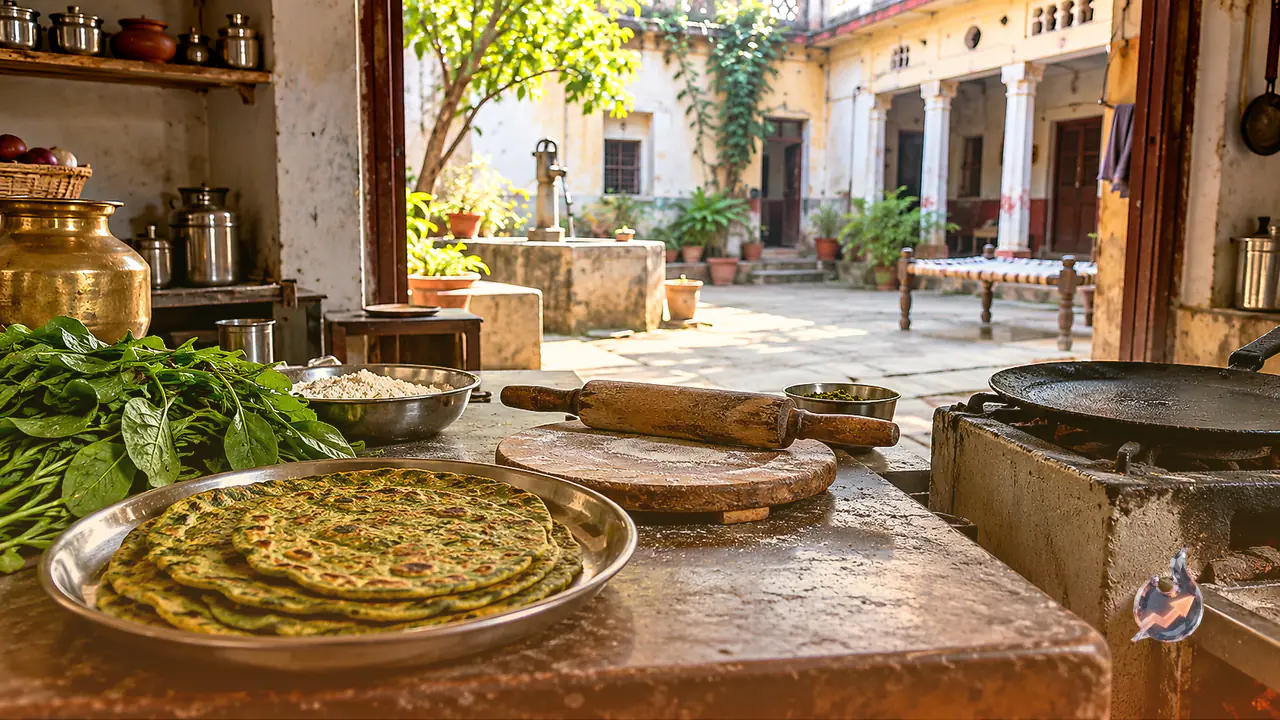
To achieve a rich and thick consistency in the curry, two spoons of flour are incorporated into the mixture. Afterwards, water and salt are added according to requirement, and the entire dish is cooked thoroughly. Once the greens soften and the preparation thickens into a uniform texture, it is ready to be served. In the culinary tradition of Baghelkhand, this hearty dish is predominantly consumed alongside rice and flatbreads during the winter season.