




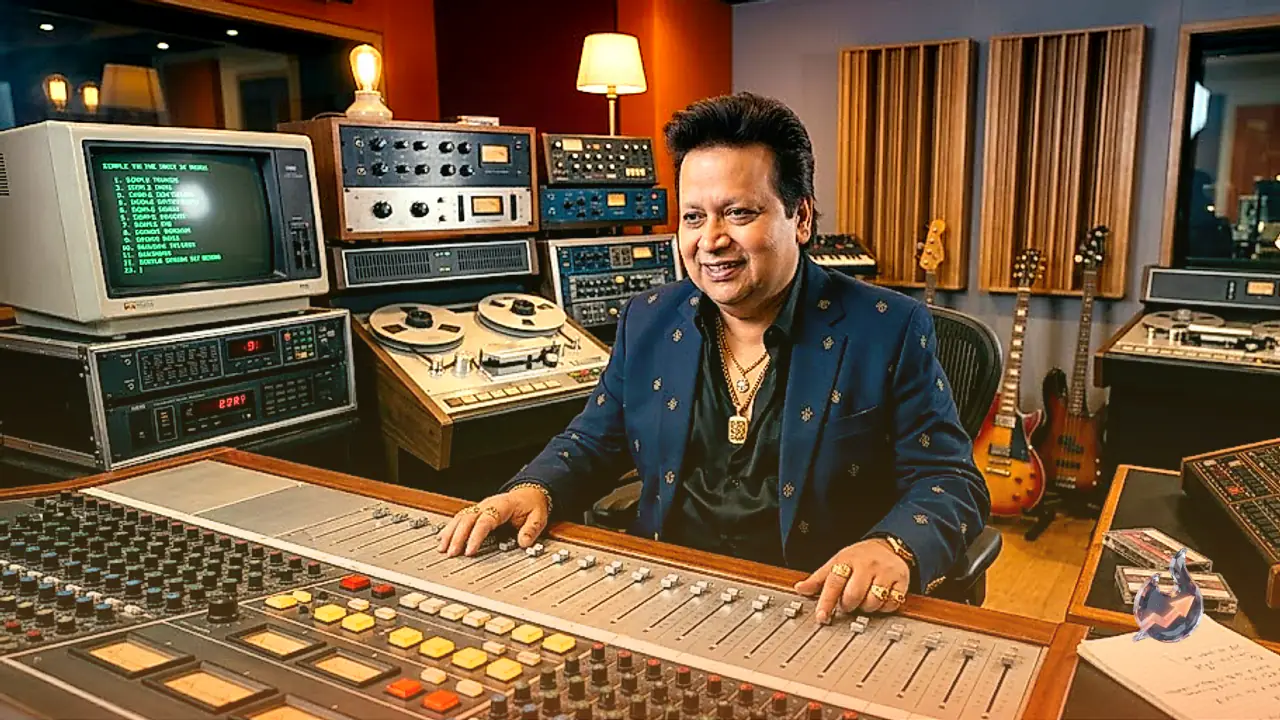



















Legendary music composer Bappi Lahiri was widely celebrated for introducing fresh rhythms and pioneering sound experiments to Indian cinema. When scoring the 1984 blockbuster movie Tohfa, Lahiri created the iconic dance track Tohfa Tohfa Laya Laya by drawing creative inspiration from his own previous global phenomenon, Jimmy Jimmy Aaja Aaja from the movie Disco Dancer. He adapted the signature repetitive vocal hook pattern that had earlier redefined dance music across the country.
From Disco Dancer to Tohfa: The Evolution of a Repetitive Rhythm
The distinctive stylistic element of repeating key words in a track proved hugely popular when Lahiri first deployed it in Jimmy Jimmy Aaja Aaja. Building on that rhythmic template for Tohfa in 1984, lyricist Indeevar penned catchy lines designed to lock perfectly into Lahiri’s driving beats. The upbeat duet was recorded by legendary playback singers Kishore Kumar and Asha Bhosle, whose energetic vocal interplay turned the composition into an immediate nationwide chartbuster.
Star Power of Jeetendra, Sridevi, and Jaya Prada
Beyond its innovative musical arrangement, the song gained massive popularity due to its vibrant visual presentation. Filmed on Bollywood stalwarts Jeetendra, Sridevi, and Jaya Prada, the high-energy sequence showcased dynamic choreography and striking screen presence. Tohfa went on to become one of the biggest box-office hits of 1984, further consolidating the top-tier stardom of its lead trio in mainstream Hindi cinema.
The Musical Legacy of Bappi Lahiri
Bappi Lahiri revolutionized Indian film scoring by fusing electronic disco synthesizer grooves with traditional Indian melodies. His rhythmic innovations in films like Tohfa and Disco Dancer established timeless musical templates that continue to influence musicians and entertain audiences decades later.